
Entertainment
Extremely R-Rated Sci-Fi Comedy Is A Sexy Genetic Experiment Gone Wrong

By Robert Scucci
| Published

Whenever I fire up a film distributed by Troma Entertainment, it means one of two things: I’m about to be thoroughly amused or thoroughly upset. 1986’s Nightmare Weekend somehow manages to fall into both categories while also making little to no sense. It’s one of those movies where you have to look up the cast and character names afterward just to keep everybody straight, and even then, you’re still left trying to figure out what the hell it was all about.
As a result, my interpretation of this film is going to be mostly vibe-based because I honestly have no clue what’s going on. Every time I think I understand what the filmmakers are trying to accomplish, I somehow end up even more baffled and confused.
Girls, Girls, Girls!

Okay, so here goes. In Nightmare Weekend, there’s a mad scientist named Edward Brake (Wellington Meffert) working on a groundbreaking behavior modification system. I think he wants to test it on his assistant Julie’s (Debbie Laster) dog, but the verdict’s still out on that one. Julie, meanwhile, wants to use the technology, which consists of a supercomputer that somehow turns found objects into silver balls that make people foam at the mouth and die, or something, to conduct torturous experiments on college girls.
Edward’s daughter Jessica (Debra Hunter) has her own high-tech computer named George that she operates alongside a talking puppet, not realizing she’s directly interfering with the experiments and causing all hell to break loose. She also goes roller skating whenever she needs to squeeze in some cardio, and I genuinely can’t think of any other reason for those scenes besides showing off some leg while getting her out of the house.

Bikers, college girls, and just about everybody else hang out at a bar/general store called Stage Stop, where people copulate on top of pinball machines while a chauffeur named Ralph (Scott Proctor), who’s explicitly told not to drink and drive while transporting test subjects to Edward’s house, spends the entire movie sneaking swigs liquor from a flask concealed between slices of bread.
As the film meanders along, Jessica falls in love with Julie’s assistant Ken (Dale Midkiff), but nothing really comes of it after she consults her computer and puppet friend for relationship advice, and then a bunch of people die. At least, I think that’s what happens in Nightmare Weekend, but please don’t quote me on that.
A Beautiful Trainwreck

Like most films distributed by Troma Entertainment, you have to be built for movies like Nightmare Weekend. It’s exploitative, violent, completely nonsensical, and endlessly amusing. People do things, things happen to those people, and most of the time they’re naked. Sometimes they turn into goo. There’s plenty of grinding and writhing to go around, but every 10 minutes or so, you’ll still find yourself asking, “What the hell am I actually watching?”

The 1-star and 10-star reviews I’ve read all seem to agree that Nightmare Weekend offers a truly one-of-a-kind viewing experience, and I’m inclined to agree. Hell, some of the 1-star reviews spend more time talking about how awesome the movie is than criticizing it, but the people writing them are self-aware enough to realize they enjoy something so aggressively inaccessible that they feel obligated to warn everybody else first. If that sounds like your kind of afternoon, you can stream Nightmare Weekend for free on Tubi as of this writing.

Entertainment
New Microsoft Defender exploits discovered. How to protect yourself
Microsoft has identified some nasty exploits that could affect your Windows machine if you let them.
Bleeping Computer reported on the exploits, which are specific vulnerabilities in Windows Defender, the built-in anti-malware software in Windows. The company has detailed reports on its security website for both vulnerabilities. While it can be a bit difficult for a layperson to understand what’s going on from those reports, the main thing to know is that vulnerable Windows machines can be subjected to denial-of-service attacks using these exploits.
The good news is that Microsoft has already revealed these exploits, and a fix is in the pipeline. If you have automatic updates for Defender turned on, it should have installed the Malware Protection Engine versions 1.1.26040.8 and 4.18.26040.7 to address these exploits.
Mashable Light Speed
Bleeping Computer also included a helpful set of instructions for making sure these updates are turned on:
-
Open Windows Security
-
Select “Virus and threat protection”
-
Click “Protection Updates” and then “Check for updates”
-
Select “Settings” and then “About”
-
Check the Anti-malware Client version number and make sure it matches the two numbers above
Hopefully, everything is properly set up, and your machine is good to go.
Topics
Cybersecurity
Microsoft
Entertainment
Spotifys new Reserved feature could make concert ticketing less miserable
These days, scoring concert tickets can feel like entering a digital Hunger Games. Fans log on the second tickets go on sale, only to watch seats disappear instantly — many of them seemingly snapped up by scalpers and resellers before actual fans ever get a chance.
Now, Spotify wants to change that by rewarding the people who stream the most.
Today, May 21, the streaming platform announced Reserved by Spotify, a new ticketing initiative aimed at helping dedicated fans access concert tickets before they go on sale to the general public. The program is launching for Premium subscribers in the U.S. who are 18 or older.

Credit: Spotify
The idea is simple: Instead of forcing fans to battle through chaotic on-sale queues or complete elaborate fan-verification games, Spotify will identify an artist’s most dedicated listeners through streaming activity and reserve tickets specifically for them. Eligible fans will receive a purchase window before the public on-sale begins, with up to two tickets held in their name.
Importantly, Spotify says the reserved tickets will not include additional Spotify service fees.
Mashable Trend Report
The company says the number of fans selected — and the number of tickets available — will vary depending on the artist, tour, and market. But Spotify says allocations are intended to be substantial and to scale with an artist’s fanbase.

Credit: Spotify
The move reflects the growing importance of superfans to the music industry, where artists and platforms alike are increasingly trying to reward the fans who engage most deeply. In recent years, fandom has become one of the most powerful forces shaping touring, chart performance, and even marketing strategies, particularly in pop and K-pop spaces where highly organized fan communities already treat streaming like participation.
Reserved by Spotify also expands the company’s broader ambitions in live music. Spotify says it has already driven more than $1.5 billion in ticket sales through its platform via partnerships with more than 40 ticketing companies, alongside features like Concerts Near You and Venue Search.
The bigger question, though, is whether programs like this can meaningfully combat the frustrations fans increasingly associate with modern ticket-buying in the U.S. As ticket prices continue to climb and resale markets remain difficult to control, many fans have grown cynical about whether fair access to concerts is even possible anymore.
Spotify is betting that listening history — not luck — might be the closest thing to a solution.
Entertainment
The Greatest Action Movie of All Time Is Leaving Streaming Platforms
By Douglas Helm
| Published
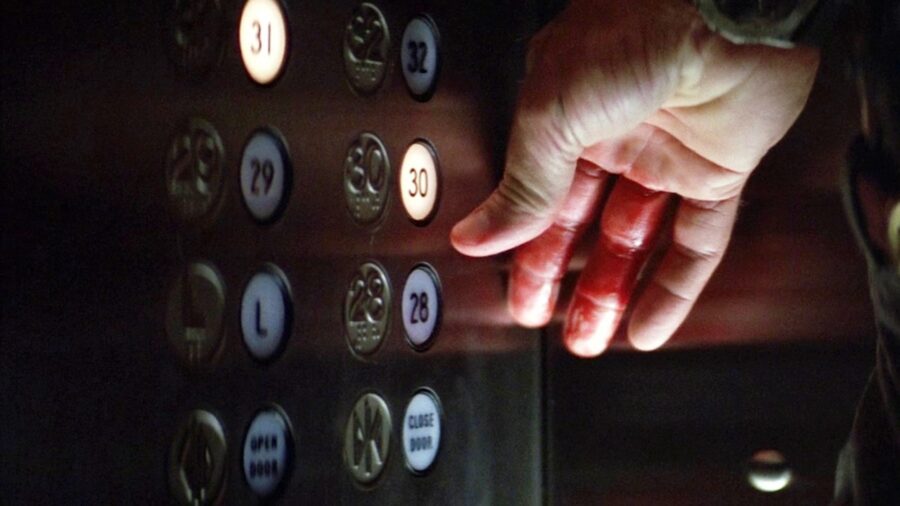
There are quite a few action movies that could be considered the “greatest action movie of all time,” and Die Hard is always in the conversation. The classic 1988 film is Bruce Willis and Alan Rickman at their best, and it’s a highly entertaining thrill ride throughout.
If you somehow have missed out on this one, or if you want a rewatch, now may be your last chance to stream it. The movie’s been available on budget streaming platforms like Philo for a while, but it’s leaving in less than two weeks. Once it’s gone, you’ll be forced to pay video-on-demand fees to rent it on Amazon if you want to watch.
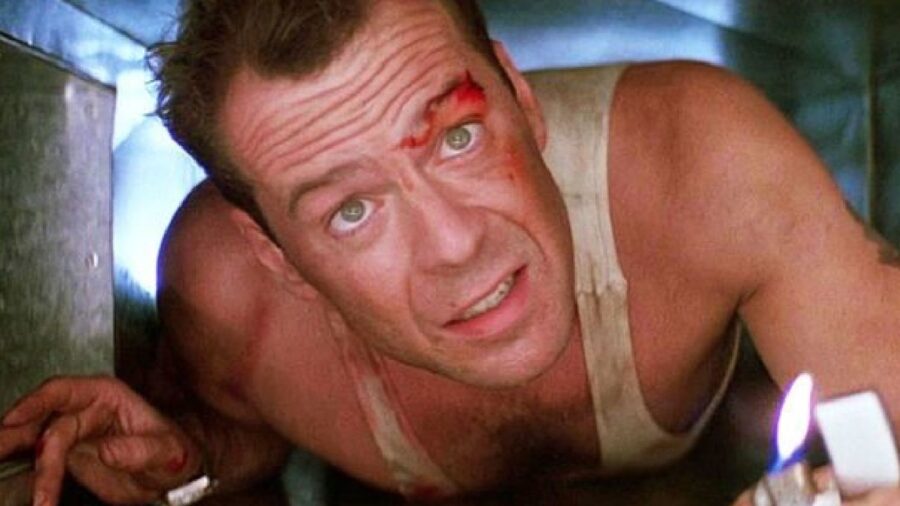
Die Hard is directed by John McTiernan from a script by Jeb Stuart and Steven E de Souza based on the Roderick Thorp novel Nothing Lasts Forever. It features a cast that includes a young Bruce Willis alongside Alan Rickman, Alexander Godunov, and Bonnie Bedelia, as well as Reginald VelJohnson, William Atherton, Paul Gleason, and Hart Bochner. The film follows NYC police detective John McClane, who gets caught in an LA skyscraper being taken over by terrorists during a holiday party.
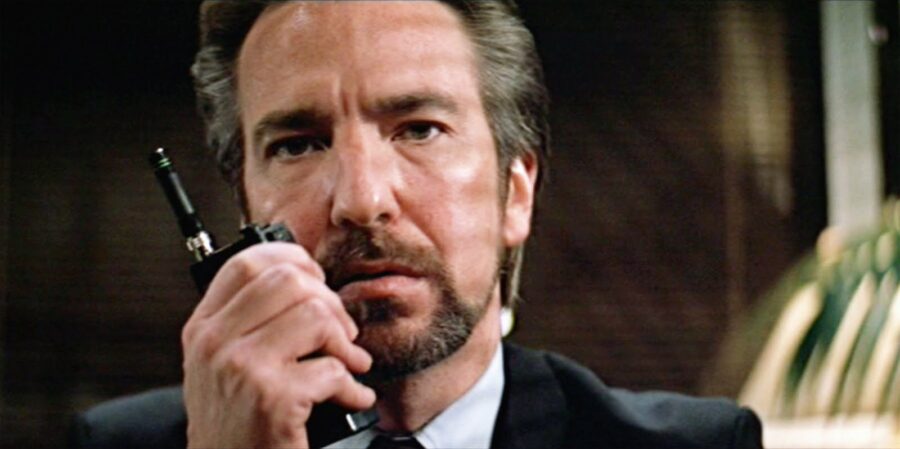
McClane is the quintessential everyman hero, and his scrappy battle to stop the terrorists and save the hostages makes for the perfect action film. Bruce Willis gives a great performance in every scene, and Rickman’s charismatic Hans Gruber is the perfect antagonist. Almost everything has been said about Die Hard, and it’s an easy recommendation for anyone who appreciates a well-directed, well-acted, and well-paced action flick.
Stallone And Schwarzenegger Turned Die Hard Down
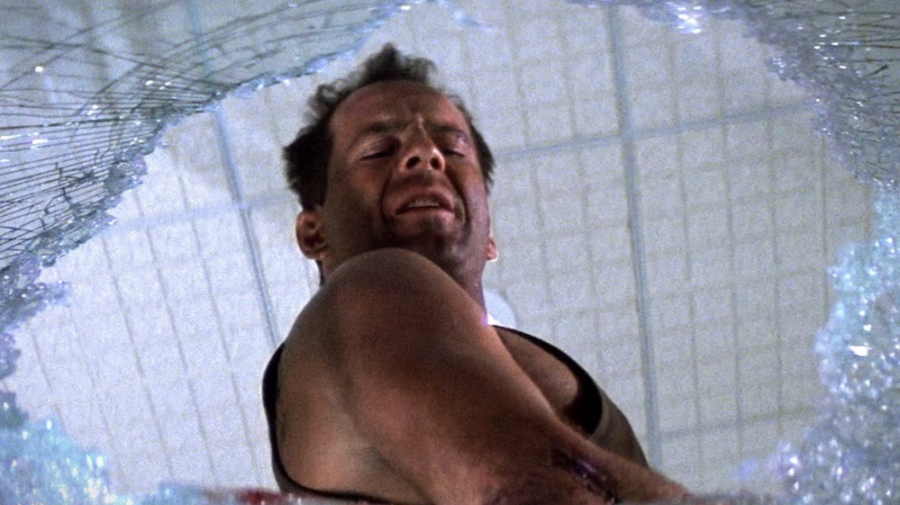
Funnily enough, no one expected Die Hard to be such an iconic hit upon its release. First, both Arnold Schwarzenegger and Sylvester Stallone turned down the role of McClane, leading Willis to be offered the role despite being mostly known for TV work. However, he was paid a hefty sum of $5 million, leading to controversy as the film was painted as a bad investment.
Critics Didn’t Get It At First
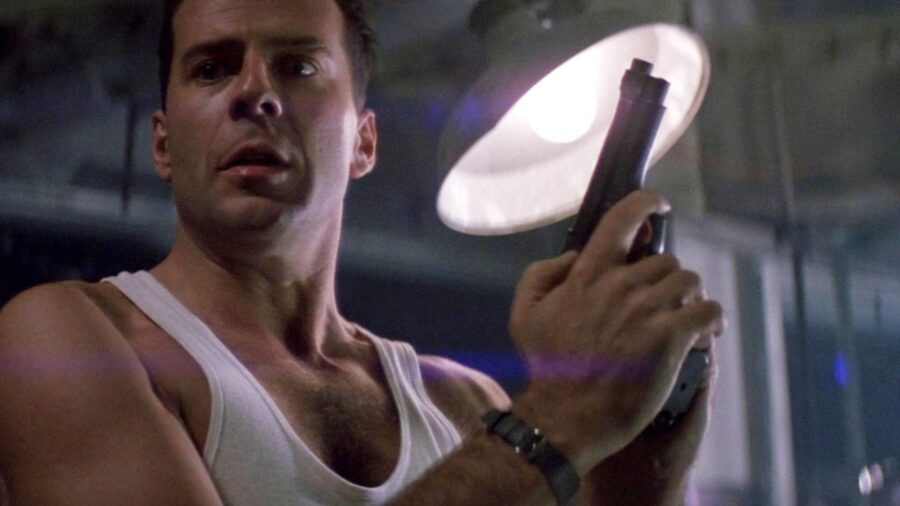
Leading up to the release of Die Hard, Bruce Willis was largely absent from marketing materials. When the film hit theaters, the reviews were pretty mixed, so it was far from the critically acclaimed film it’s known as today. However, the film overcame these obstacles at the box office, grossing an impressive $140 million and earning four Academy Award nominations.
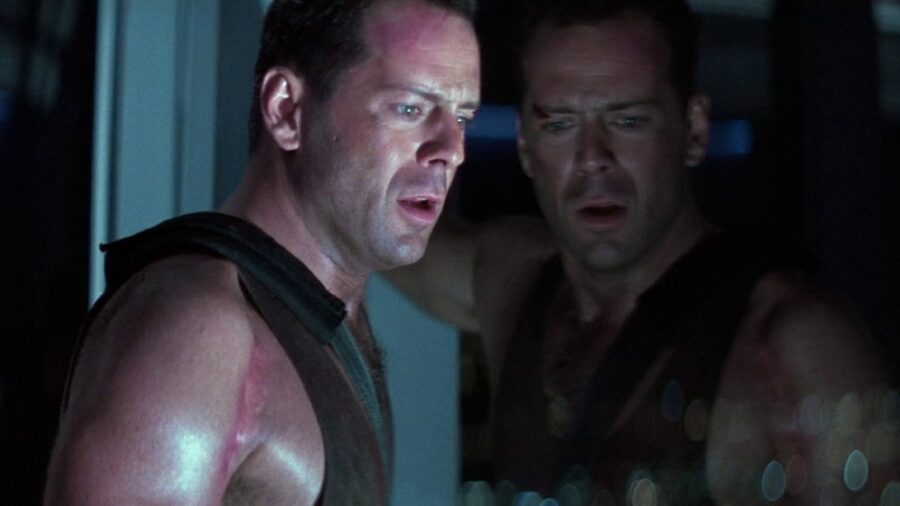
Of course, we now know that Die Hard is a cinematic treasure and one of the undisputed action movies of all time (along with one of the best Christmas movies, depending on who you ask). It defied expectations and showed that action heroes don’t have to be invincible shining paragons of oiled muscle. It also spawned a ton of sequels that never captured the magic of the original.
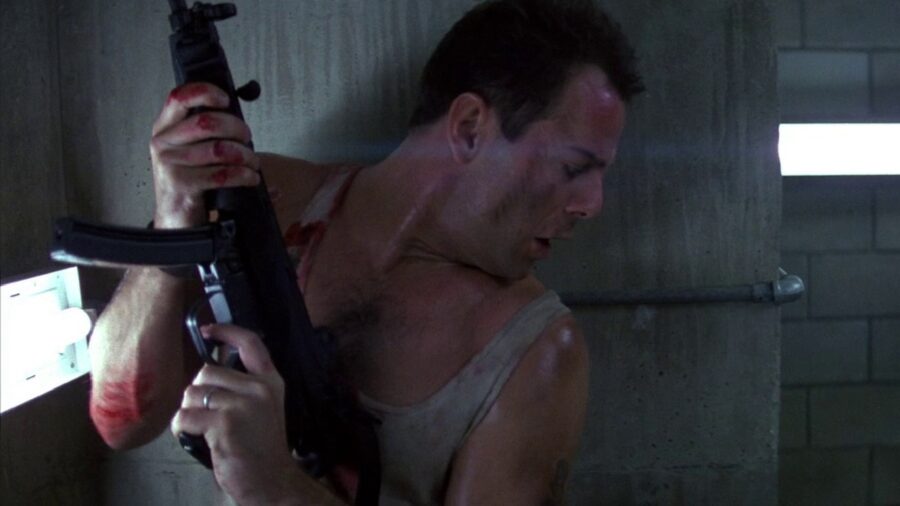
In a far cry from the original thoughts critics and industry pros had of Die Hard upon its release, in 2017 the United States Library of Congress deemed the film worthy of being preserved in the National Film Registry. Its preservation and its place in action movie history is well earned, and a film that will forever be one of the peaks of Bruce Willis’ illustrious acting career.

Trent Grisham (knee) exits Yankees-Blue Jays game
Carmen Mlodzinski gets plenty of support as Pirates shut out Cardinals


