
Entertainment
New Microsoft Defender exploits discovered. How to protect yourself

Microsoft has identified some nasty exploits that could affect your Windows machine if you let them.
Bleeping Computer reported on the exploits, which are specific vulnerabilities in Windows Defender, the built-in anti-malware software in Windows. The company has detailed reports on its security website for both vulnerabilities. While it can be a bit difficult for a layperson to understand what’s going on from those reports, the main thing to know is that vulnerable Windows machines can be subjected to denial-of-service attacks using these exploits.
The good news is that Microsoft has already revealed these exploits, and a fix is in the pipeline. If you have automatic updates for Defender turned on, it should have installed the Malware Protection Engine versions 1.1.26040.8 and 4.18.26040.7 to address these exploits.
Mashable Light Speed
Bleeping Computer also included a helpful set of instructions for making sure these updates are turned on:
-
Open Windows Security
-
Select “Virus and threat protection”
-
Click “Protection Updates” and then “Check for updates”
-
Select “Settings” and then “About”
-
Check the Anti-malware Client version number and make sure it matches the two numbers above
Hopefully, everything is properly set up, and your machine is good to go.
Topics
Cybersecurity
Microsoft
Entertainment
Spotifys new Reserved feature could make concert ticketing less miserable
These days, scoring concert tickets can feel like entering a digital Hunger Games. Fans log on the second tickets go on sale, only to watch seats disappear instantly — many of them seemingly snapped up by scalpers and resellers before actual fans ever get a chance.
Now, Spotify wants to change that by rewarding the people who stream the most.
Today, May 21, the streaming platform announced Reserved by Spotify, a new ticketing initiative aimed at helping dedicated fans access concert tickets before they go on sale to the general public. The program is launching for Premium subscribers in the U.S. who are 18 or older.

Credit: Spotify
The idea is simple: Instead of forcing fans to battle through chaotic on-sale queues or complete elaborate fan-verification games, Spotify will identify an artist’s most dedicated listeners through streaming activity and reserve tickets specifically for them. Eligible fans will receive a purchase window before the public on-sale begins, with up to two tickets held in their name.
Importantly, Spotify says the reserved tickets will not include additional Spotify service fees.
Mashable Trend Report
The company says the number of fans selected — and the number of tickets available — will vary depending on the artist, tour, and market. But Spotify says allocations are intended to be substantial and to scale with an artist’s fanbase.

Credit: Spotify
The move reflects the growing importance of superfans to the music industry, where artists and platforms alike are increasingly trying to reward the fans who engage most deeply. In recent years, fandom has become one of the most powerful forces shaping touring, chart performance, and even marketing strategies, particularly in pop and K-pop spaces where highly organized fan communities already treat streaming like participation.
Reserved by Spotify also expands the company’s broader ambitions in live music. Spotify says it has already driven more than $1.5 billion in ticket sales through its platform via partnerships with more than 40 ticketing companies, alongside features like Concerts Near You and Venue Search.
The bigger question, though, is whether programs like this can meaningfully combat the frustrations fans increasingly associate with modern ticket-buying in the U.S. As ticket prices continue to climb and resale markets remain difficult to control, many fans have grown cynical about whether fair access to concerts is even possible anymore.
Spotify is betting that listening history — not luck — might be the closest thing to a solution.
Entertainment
The Greatest Action Movie of All Time Is Leaving Streaming Platforms
By Douglas Helm
| Published
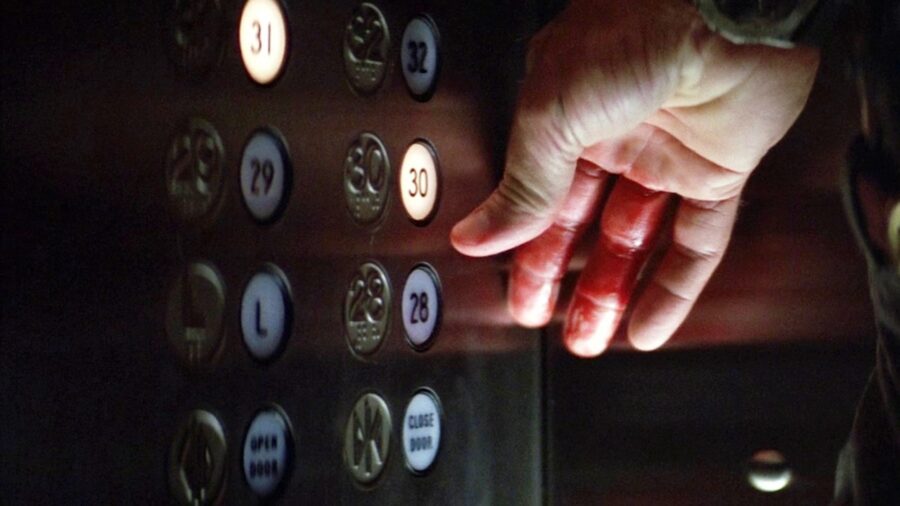
There are quite a few action movies that could be considered the “greatest action movie of all time,” and Die Hard is always in the conversation. The classic 1988 film is Bruce Willis and Alan Rickman at their best, and it’s a highly entertaining thrill ride throughout.
If you somehow have missed out on this one, or if you want a rewatch, now may be your last chance to stream it. The movie’s been available on budget streaming platforms like Philo for a while, but it’s leaving in less than two weeks. Once it’s gone, you’ll be forced to pay video-on-demand fees to rent it on Amazon if you want to watch.
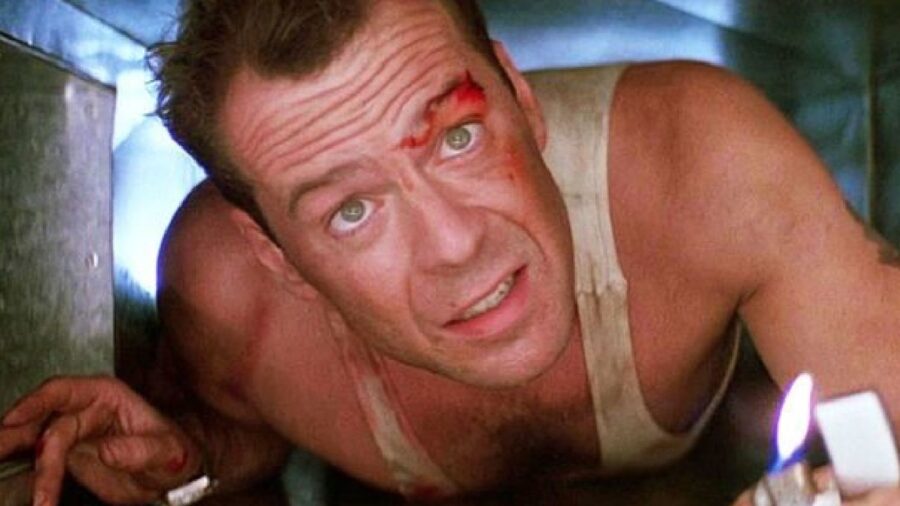
Die Hard is directed by John McTiernan from a script by Jeb Stuart and Steven E de Souza based on the Roderick Thorp novel Nothing Lasts Forever. It features a cast that includes a young Bruce Willis alongside Alan Rickman, Alexander Godunov, and Bonnie Bedelia, as well as Reginald VelJohnson, William Atherton, Paul Gleason, and Hart Bochner. The film follows NYC police detective John McClane, who gets caught in an LA skyscraper being taken over by terrorists during a holiday party.

McClane is the quintessential everyman hero, and his scrappy battle to stop the terrorists and save the hostages makes for the perfect action film. Bruce Willis gives a great performance in every scene, and Rickman’s charismatic Hans Gruber is the perfect antagonist. Almost everything has been said about Die Hard, and it’s an easy recommendation for anyone who appreciates a well-directed, well-acted, and well-paced action flick.
Stallone And Schwarzenegger Turned Die Hard Down
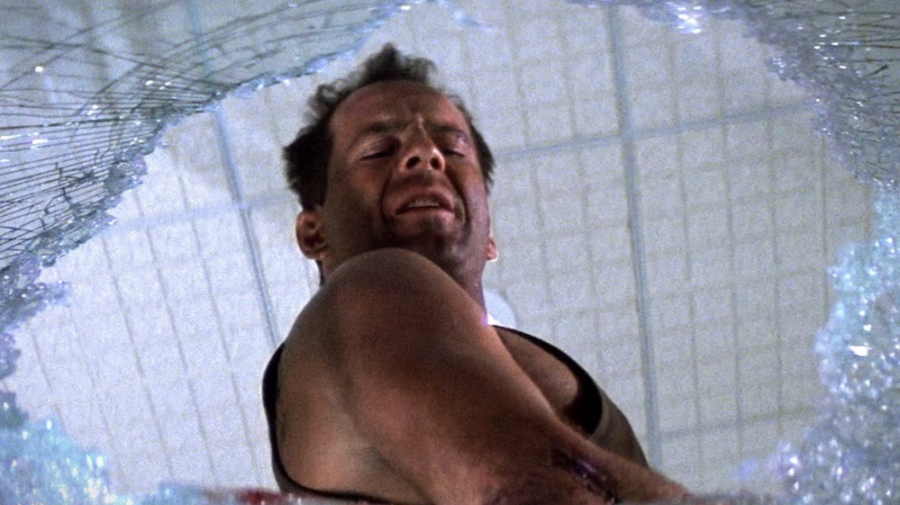
Funnily enough, no one expected Die Hard to be such an iconic hit upon its release. First, both Arnold Schwarzenegger and Sylvester Stallone turned down the role of McClane, leading Willis to be offered the role despite being mostly known for TV work. However, he was paid a hefty sum of $5 million, leading to controversy as the film was painted as a bad investment.
Critics Didn’t Get It At First
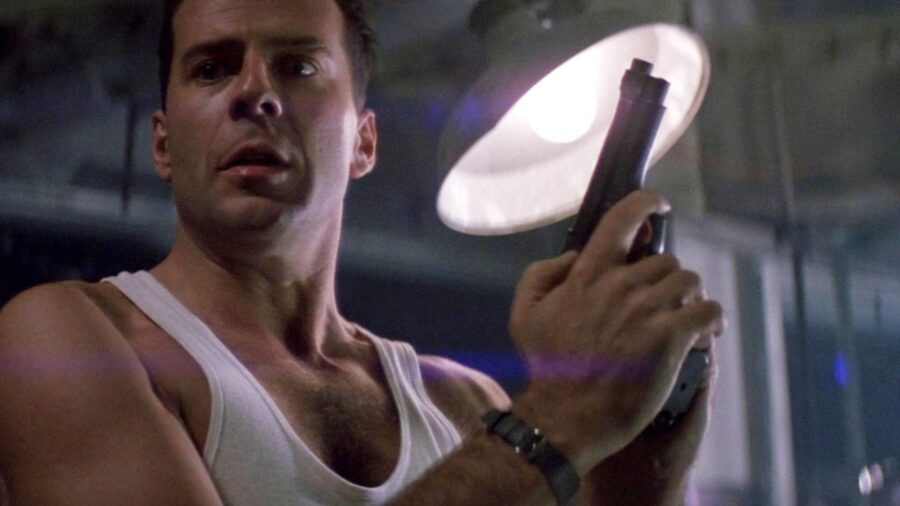
Leading up to the release of Die Hard, Bruce Willis was largely absent from marketing materials. When the film hit theaters, the reviews were pretty mixed, so it was far from the critically acclaimed film it’s known as today. However, the film overcame these obstacles at the box office, grossing an impressive $140 million and earning four Academy Award nominations.
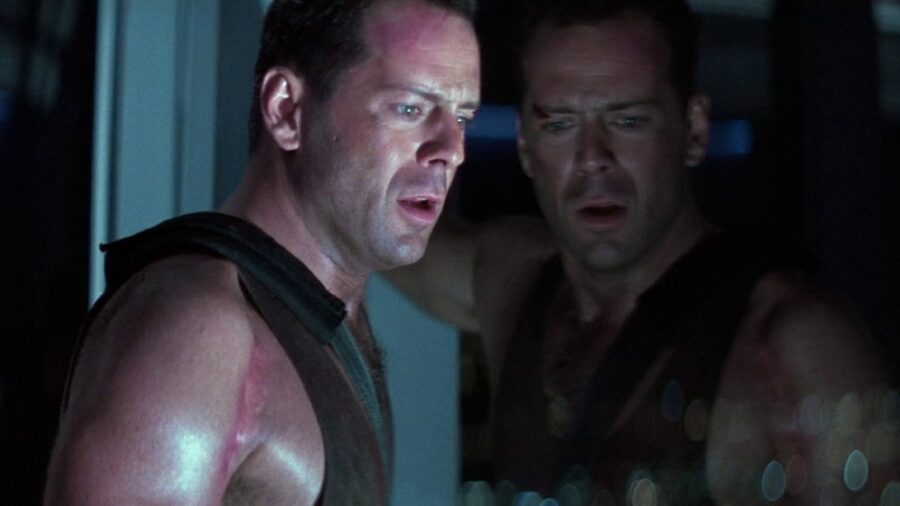
Of course, we now know that Die Hard is a cinematic treasure and one of the undisputed action movies of all time (along with one of the best Christmas movies, depending on who you ask). It defied expectations and showed that action heroes don’t have to be invincible shining paragons of oiled muscle. It also spawned a ton of sequels that never captured the magic of the original.

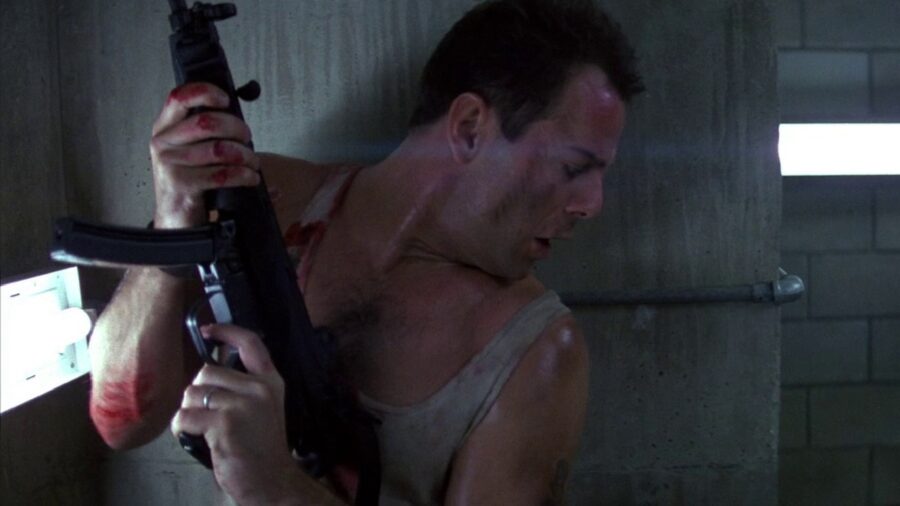
In a far cry from the original thoughts critics and industry pros had of Die Hard upon its release, in 2017 the United States Library of Congress deemed the film worthy of being preserved in the National Film Registry. Its preservation and its place in action movie history is well earned, and a film that will forever be one of the peaks of Bruce Willis’ illustrious acting career.
Entertainment
Star Trek’s Worst Sequel Is Better Than You Remember
By Chris Snellgrove
| Published

When my students learn that I’m an entertainment writer, they always want to talk about their favorite movies and TV shows. Earlier this year, I talked to a student who had recently seen Scream 7 and was eager to know what score I gave it in my review. When I told him three stars, he asked, with perfect comic timing, “out of five?!?” I had to explain to him that I grade movies the same way I grade research papers. While a three-star review might not sound so bad, it translates to a 60, meaning that I thought the movie barely got a passing grade.
I was thinking about my method of scoring movies while rewatching 2013’s Star Trek Into Darkness (now streaming for free on Tubi). As a remake of The Wrath of Khan, it’s absolutely awful, and as a sequel to 2009’s Star Trek, it’s not much better because it retreads the lazy “supervillain with a nearly-unstoppable ship” gimmick. But if you examine the movie on its own quirky merits, you’ll find a surprising amount to love. Now that Paramount has finally killed the Kelvinverse in favor of boldly going in a new direction, it’s the perfect time to revisit a sequel that is far better than you probably remember.
Ripping Off The Band-Aid

Before I get into what Star Trek Into Darkness did right, let’s dive into what you’ve probably been screaming at me about for the last minute or so: what it did wrong. First, reusing Khan as a villain was just wildly lazy, forcing audiences to compare this movie to The Wrath of Khan. Into Darkness suffers from this comparison in a big way. It’s also awkward to replace Ricardo Montalban with lily-white Benedict Cumberbatch. Not only is the race-swapping offensive on the face of it, but the big reveal that this is Khan means nothing to the characters, who had never even met the guy in this universe before.
Like Star Trek (2009), Into Darkness focuses too much on action and not enough on exploring strange new worlds. It relies on some major plot contrivances, like the universe-breaking revelation that Khan’s blood can bring people back to life. Speaking of Khan, the whole plot about his people secretly being put inside proton torpedo tubes never made any sense. The plot in general is fairly slipshod, and the fact that the climax involves the man who shuns emotions screaming and beating someone is downright embarrassing.
Now, stand down from red alert, haters, and we can dive into your favorite subject: why this Star Trek sequel is much better than you remember.
The Killer Cast

Call me a fanboy if you must, but I feel like the Kelvinverse Star Trek films were perfectly cast. Instead of going for physical resemblance, the casting director found talents who matched the vibe of The Original Series actors. Chris Pine oozes with the cocky self-assurance of William Shatner’s Kirk, while Zachary Quinto channels the broody intensity of Leonard Nimoy’s Spock. Karl Urban, meanwhile, practically disappears into the role of Dr. McCoy, echoing the performance of DeForest Kelley so weird that it’s almost creepy. In Into Darkness, everyone is more charismatic than ever, and watching these highly skilled officers do their thing is chicken soup for the sci-fi lover’s soul.
The Kelvinverse movies weren’t perfect, and Into Darkness may be particularly flawed. But these movies expertly matched energy with the TV shows that had come before, casting actors who perfectly bounced off each other’s manic energy and gelled as a believable crew. Again, that easygoing chemistry is even more present in Into Darkness than Star Trek. Character relationships (especially between Kirk and Spock) are deeper, and explosive personalities have (fittingly enough) been cooled down by the vacuum of space. Basically, if you watch the franchise to see hyper-capable geniuses tackle impossible problems, you’ll love how Star Trek Into Darkness plays out.
Lore And World-Building

One of the most interesting parts of Star Trek Into Darkness is how it builds off existing lore while doing some truly wild worldbuilding. For example, the film merges together some very beloved lore (about Khan and his people surviving into the future in stasis pods) with some very hated lore (Section 31 being a rogue, amoral agency at the heart of Starfleet). In this changed timeline, Section 31 finds and weaponizes Khan and his genetically augmented army. Now, how they go about this is almost mind-bogglingly dumb, but seeing Section 31 use Khan is like watching a “What If” Deep Space Nine episode.
It’s also interesting that Carol Marcus’ dad worked for Section 31. Does this mean that in the prime universe, David Marcus’ grandfather is a secret Starfleet war criminal? Additionally, it’s kind of fascinating to think about the sheer number of resources and other assets that have been diverted so that Admiral Marcus could build a killer dreadnaught on the down low. Is it a permanent side effect of Nero’s multiple attacks on Starfleet that this organization has become paranoid and warlike? Maybe, maybe not. Either way, if you like to ponder weird Star Trek lore, Into Darkness is likely to give your brain a tingle.
The Action’s Pretty Solid

Many critics of Star Trek Into Darkness have dismissed it as a dumb action movie. Now, is it dumb? Of course. And is it an action movie? Sure. But what doesn’t get enough attention is that the action in this movie is done surprisingly well. For example, the early scenes of Kirk violating the Prime Directive are pretty silly, but the frenzied action feels like a pleasant crossover between Star Trek and Indiana Jones. Later, scenes of Khan’s terrifyingly efficient fighting help underscore how he once terrified the entire Earth. Arguably, he (and, by extension, his Augments) have never been scarier.
The space suit scene is full of thrills, and watching Kirk narrowly make it aboard the other ship always gives me chills. The fight between the USS Enterprise and the much larger USS Vengeance will keep you on the edge of your seat, all while pushing our crew to the limits. Plus, from MacGyver-ing up some IEDs to going full action hero ‘roid rage, the Spock of this movie is unlike any version we have seen before or since. The action is breathless and unpredictable. For better or for worse, you never know what this movie will do from scene to scene, and there’s a certain lunatic thrill in following a plot just daring you to piece it together.
Stream Me Up, Scotty

Have I convinced you that it’s time to give Star Trek Into Darkness another shot? Or maybe you want to hate-watch the whole thing again so you can tear me a new one in the comments? Either way, you’re in luck. Star Trek’s most hated sequel is now streaming for free on Tubi. If nothing else, it’s worth watching this movie as a genre version of Celebrity Death Match: “Who will win in a fight between Captain Kirk, Sherlock Holmes, and RoboCop?” You’ll have to watch to find out!
A stupid, guilty pleasure? Absolutely. But is it dumb fun from beginning to end? That’s a Texas-sized 10-4, space buddy!

Carmen Mlodzinski gets plenty of support as Pirates shut out Cardinals
Second-period surge leads Knights past Avalanche in West finals opener


