
Entertainment
Avengers: Doomsday Synopsis Reveals Over Half A Decade Of Secret Planning

By Chris Snellgrove
| Updated
Marvel fans are gearing up to see their friendly neighborhood web-head swing back into theaters next month in Spider-Man: Brand New Day, a film destined to become this summer’s biggest blockbuster. However, that’s just the appetizer for fans of this cinematic universe. The main course will be Avengers: Doomsday, which comes out on December 18. So far, most of the details on that ambitious crossover extravaganza have been kept a secret, meaning fans could only speculate about this movie’s story based on early trailers. Now, though, Marvel Studios has released an official synopsis for Doomsday.
Aside from details about the cast, the directors, and the producers, the synopsis only contains a one-sentence description of the upcoming film’s plot. “In Avengers: Doomsday, beloved heroes from three distinct universes will be set on a deadly collision course and face an existential threat unlike anything they’ve ever encountered.” That’s not much to go on, but Marvel comics fans think they’ve deciphered what this means. If they are right, we know exactly what to expect about this (quite literally) universe-shattering plot, and those details reveal something astounding: that Marvel has been planning the major events of this film for over half a decade, littering films and TV shows with clues!
The Devil’s In The Details
So, what does this synopsis actually mean? Marvel Comics superfans agree that the part about universes being “on a deadly collision course” and facing “an existential threat” is quite literal. In the comics, Doctor Doom’s multiversal shenanigans set off a chain of events in which parallel realities keep colliding with one another, destroying both. To avoid this outcome, there is only one option: one Earth must destroy the other before the collision begins. Afterward, Doom merges the destroyed realities into a Battleworld under his control. Once he’s defeated, the primary universe is reset, but with some changes, like the addition of Miles Morales.
What does that mean for Avengers: Doomsday and the MCU? Doom is going to similarly set off these multiversal incursions, and we’re going to see three different universes fight for survival. In all likelihood, those universes will be the Marvel Cinematic Universe, the Tobey Maguire Spider-Man universe, and the original X-Men universe. Those universes will be destroyed, but Doom will revive and merge them into a Battleworld. After he’s beaten in Secret Wars, we’ll have a reset MCU where certain characters and actors have changed. There will also be lore changes, like the introduction of the X-Men and other mutants into the MCU.
Are You Down With Multiverses?
As cool as this sounds, some Marvel fans are skeptical because Avengers: Doomsday feels like a Plan B. Everybody knows that Kang was supposed to be the next Big Bad and only got replaced because of Jonathan Majors’ legal woes. That’s enough to make a cynic think that Doomsday is just a bunch of weird ideas held together by nostalgia. However, some comics fans have been deciphering more clues, and they have reached an amazing conclusion. Namely, that Marvel Studios has been secretly building up to Doomsday for over half a decade!
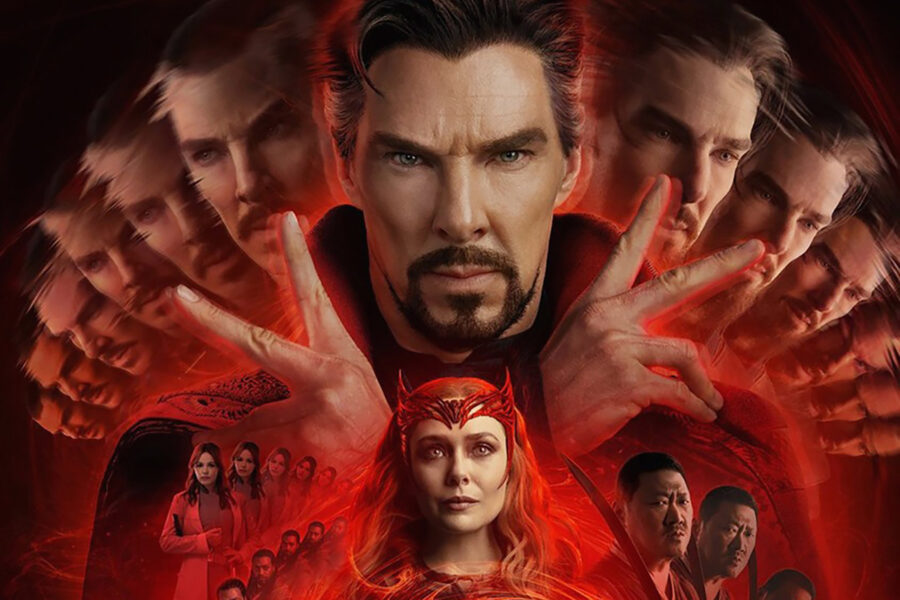
How does that work? For one thing, Doctor Strange and the Multiverse of Madness explicitly introduced the idea of multiversal incursions. If Doomsday had been the first film to introduce this idea into the MCU, fans would likely wonder why we hadn’t already heard of it. Now, Doomsday is building its whole plot on a key thematic element from Multiverse of Madness: namely, that incursions are dangerous, and those causing them can endanger potentially countless lives throughout each universe. That point is further driven home by a villain accidentally causing an incursion in The Marvels.
A Universe Without Its Anchor
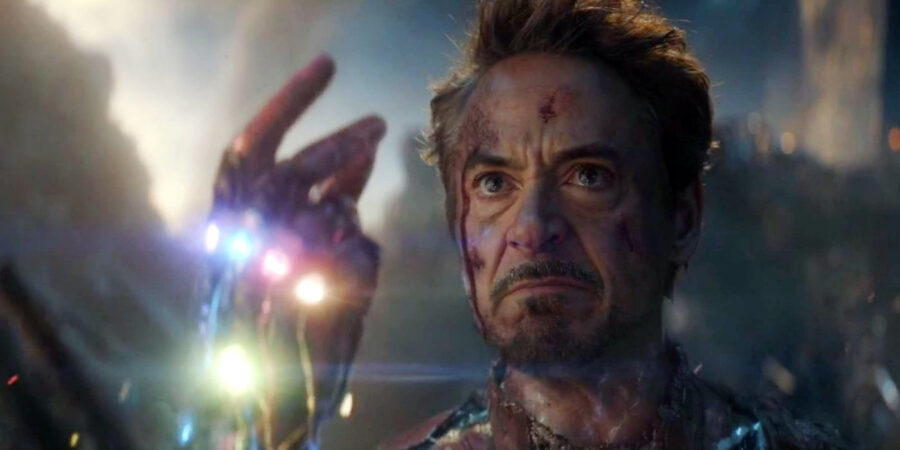
Additionally, while we won’t see more incursions until Avengers: Doomsday, we’ve already seen the TVA “pruning” reality and destroying entire multiverses at a time. Furthermore, Deadpool & Wolverine introduced the idea of Anchor Beings whose entire universes will slowly disappear once they die. The intentional destruction of universes will likely play a role in Doom setting off the incursions (maybe he uses TVA tech or resources to travel to different realities). The TVA’s looser grip on the multiverse may even play a role in worlds colliding. Finally, there are persistent rumors that Tony Stark was the MCU’s anchor being, and his death paved the way for the arrival of Doom, his multiversal counterpart.
Obviously, we won’t know exactly how accurate all of these predictions are until Avengers: Doomsday comes out. But the official synopsis lines up with the comics this movie and Secret Wars are based on, and it really does seem like Marvel has been building up to Doomsday by dropping powerful clues in previous movies and shows. Hopefully, all of this buildup will have a correspondingly rewarding payoff. Otherwise, the blockbuster film intended to cure superhero fatigue may serve as the final nail in the coffin for the most successful cinematic universe in Hollywood history.
Entertainment
How to watch Belgium vs. Egypt online for free
TL;DR: Live stream Belgium vs. Egypt in the 2026 FIFA World Cup for free on BBC iPlayer. Access this free streaming platform from anywhere in the world with ExpressVPN.
The first round of 2026 FIFA World Cup group stage fixtures has thrown together some really interesting matchups, including Belgium vs. Egypt.
These sides are probably favorites to progress from Group G into the knockout rounds, but only one team can finish top. This will be a fascinating battle between two teams stacked with talent, with all eyes on the likes of Mohamed Salah and Jérémy Doku.
If you want to watch Belgium vs. Egypt in the 2026 FIFA World Cup from anywhere in the world, we have all the information you need.
When is Belgium vs. Egypt?
Belgium vs. Egypt in the 2026 FIFA World Cup kicks off at 3 p.m. ET on June 15. This fixture takes place at Lumen Field.
How to watch Belgium vs. Egypt for free
Belgium vs. Egypt in the 2026 FIFA World Cup is available to live stream for free on BBC iPlayer.
Mashable Top Stories
BBC iPlayer is geo-restricted to the UK, but anyone can access this free streaming platform with a VPN. These tools can hide your real IP address (digital location) and connect you to a secure server in the UK, meaning you can unblock BBC iPlayer to live stream the 2026 World Cup for free from anywhere in the world.
Live stream Belgium vs. Egypt for free by following these simple steps:
-
Subscribe to a streaming-friendly VPN (like ExpressVPN)
-
Download the app to your device of choice (the best VPNs have apps for Windows, Mac, iOS, Android, Linux, and more)
-
Open up the app and connect to a server in the UK
-
Visit BBC iPlayer
-
Watch Belgium vs. Egypt for free from anywhere in the world
$12.95 only at ExpressVPN (with money-back guarantee)
The best VPNs for streaming are not free, but most do offer free-trials or money-back guarantees. By leveraging these offers, you can access free live streams of the 2026 World Cup without actually spending anything. This obviously isn’t a long-term solution, but it does give you enough time to stream Belgium vs. Egypt (plus more World Cup fixtures) before recovering your investment.
If you want to retain permanent access to the best free streaming services from around the world, you’ll need a subscription. Fortunately, the best VPN for streaming live sport is on sale for a limited time.
What is the best VPN for BBC iPlayer?
ExpressVPN is the best choice for bypassing geo-restrictions to stream live sport on BBC iPlayer, for a number of reasons:
-
Servers in 105 countries including the UK
-
Easy-to-use app available on all major devices including iPhone, Android, Windows, Mac, and more
-
Strict no-logging policy so your data is secure
-
Fast connection speeds free from throttling
-
Up to 10 simultaneous connections
-
30-day money-back guarantee
A two-year subscription to ExpressVPN is on sale for $68.40 and includes an extra four months for free — 81% off for a limited time. This plan includes a year of free unlimited cloud backup and a generous 30-day money-back guarantee. Alternatively, you can get a one-month plan for just $12.99 (with money-back guarantee).
Live stream Belgium vs. Egypt in the 2026 FIFA World Cup for free with ExpressVPN.
Entertainment
NYT Strands hints, answers for June 14, 2026
Today’s NYT Strands hints are easy if you’re royalty.
Strands, the New York Times‘ elevated word-search game, requires the player to perform a twist on the classic word search. Words can be made from linked letters — up, down, left, right, or diagonal, but words can also change direction, resulting in quirky shapes and patterns. Every single letter in the grid will be part of an answer. There’s always a theme linking every solution, along with the “spangram,” a special, word or phrase that sums up that day’s theme, and spans the entire grid horizontally or vertically.
By providing an opaque hint and not providing the word list, Strands creates a brain-teasing game that takes a little longer to play than its other games, like Wordle and Connections.
If you’re feeling stuck or just don’t have 10 or more minutes to figure out today’s puzzle, we’ve got all the NYT Strands hints for today’s puzzle you need to progress at your preferred pace.
NYT Strands hint for today’s theme: Peer group
The words are related to titles.
Mashable Top Stories
Today’s NYT Strands theme plainly explained
These words describe high positions.
NYT Strands spangram hint: Is it vertical or horizontal?
Today’s NYT Strands spangram is vertical.
Meet The Mashable 101: Our list of the content creators shaping the internet today
NYT Strands spangram answer today
Today’s spangram is Nobility.
NYT Strands word list for June 14
-
Duchess
-
Marquess
-
Baron
-
Nobility
-
Lady
-
Viscount
-
Lord
-
Earl
Looking for other daily online games? Mashable’s Games page has more hints, and if you’re looking for more puzzles, Mashable’s got games now!
Check out our games hub for Mahjong, Sudoku, free crossword, and more.
Not the day you’re after? Here’s the solution to yesterday’s Strands.
Entertainment
It’s Official: Steven Moffat Is Now The Best Doctor Who Showrunner
By Chris Snellgrove
| Published
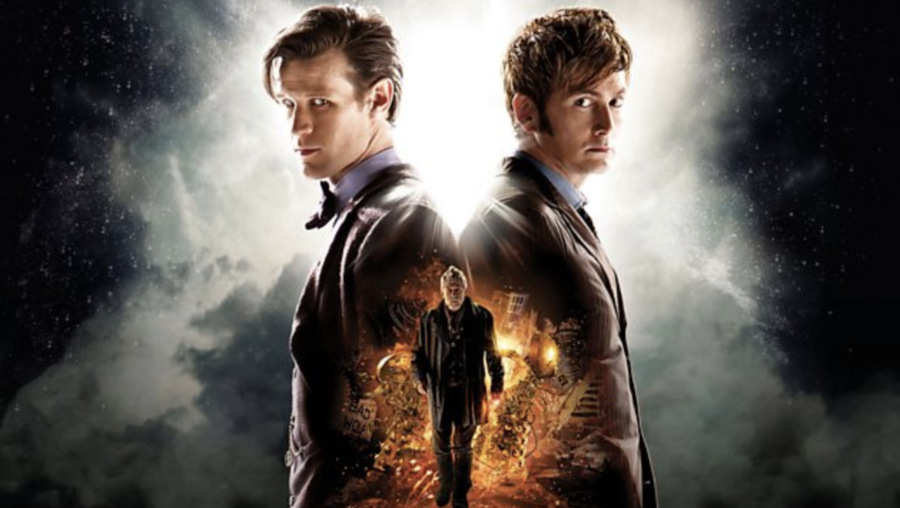
Like many Doctor Who fans, my wife and I often debate the most important question of them all: who was the best actor to play the Doctor? She and I both came on board with the 2005 revival, so we don’t have the same passion as veteran fans for classic series actors such as Tom Baker. The source of our debate is quite simple. She prefers David Tennant, whose very human performance made the Tenth Doctor a timey-wimey favorite to fans all over the world. As for myself, I prefer Matt Smith, who tempered his whimsical performances with occasional glimpses of both the tragedy and the darkness that have defined the Doctor’s life.
While both Tennant and Smith give showstopping performances, they each worked for very different showrunners. Russel T. Davies brought Doctor Who back in 2005 and soon transformed David Tennant into a household name. After four seasons, Davies left the show, and Steven Moffat took over. His tenure on the show was quite controversial, and countless fans just wanted Davies to come back. However, Davies did come back for the most recent two seasons, and they were so bad that the show he revived is now canceled again. Now that NuWho is dead for the foreseeable future, the fandom can finally embrace a simple truth: Moffat was the best showrunner Doctor Who ever had!
More Like Doctor Whoa
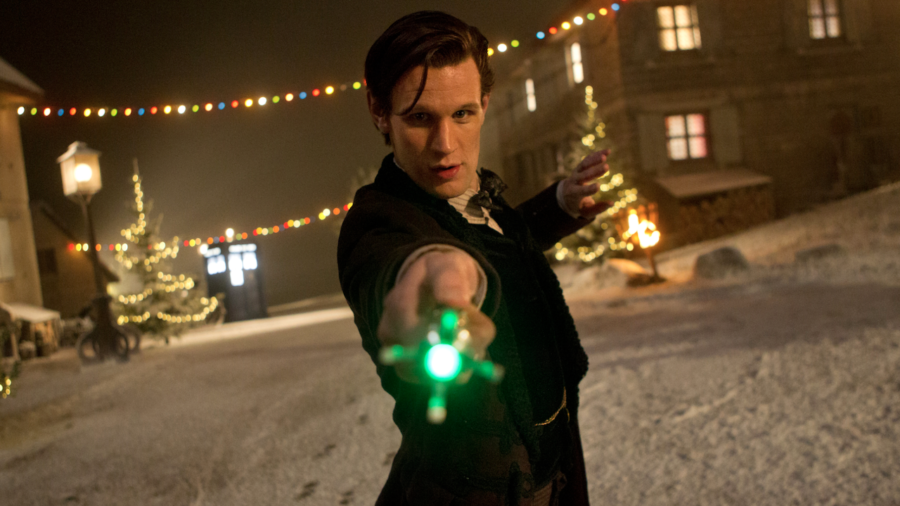
What made Steven Moffat the best Doctor Who showrunner? For one thing, he delivered episodes that were much more cinematic in nature. The classic series had often cheaped out on special effects, and even in the early years of the revival, Davies relied on some shoddy CGI. Once Moffat took over, episodes started looking more and more like blockbuster films (albeit modestly budgeted ones). Throw in the abundance of excellent two-parters (like “The Pandorica Opens” and “The Big Bang”), and stories often had the runtime of a movie, too. Obviously, this is a matter of aesthetic preference, but I’ll take Moffatt’s cinematic storytelling over Davies’ warmed-over schlock any day of the week.
Speaking of which, Moffat did cool, slow-burning mysteries and reveals better than Davies. Davies often had crazy mysteries (like Bad Wolf) and even crazier reveals (like the Master) that were cool in the moment but made less and less sense the more you thought about them. By comparison, Moffat had meaty mysteries that would keep you on the edge of your seat, including the Pandorica, the Silence, the true nature of River Song, and so much more. In each case, the reveal felt like the rewarding culmination of entire seasons’ worth of build-up. Davies, however, would just show us bonkers stuff and crank out a nonsensical reveal before calling it a day.
The Best Companions, Full Stop

Obviously, a lot of this is a matter of taste. If you don’t care for the mysteries of Moffat, you might be disappointed by how much screentime is devoted to exploring them. Personally, I thought he got the balance of episodic episodes and serialized arcs just right. The unfolding mystery of the Pandorica didn’t keep us from getting standout episodes like “Vincent and the Doctor,” for example, and the mystery of Impossible Girl Clara didn’t keep us from getting bottled brilliance such as “Nightmare in Silver.” Killer standalone episodes and mysteries worthy of TV shows like Lost. Honestly, what more could you want?
If you just said “great characters,” then Steven Moffat still has you covered. Even Doctor Who fans who generally disliked Moffat as showrunner can agree that he brought us some excellent new characters. Amy Pond and Rory are possibly the cutest Companions in franchise history, and they got something most classic Companions never did: their own arcs. Personally, I found their relationship much more compelling than just watching Rose pine for the Doctor in earlier seasons. Plus, under Moffat’s leadership, River gets fleshed out to be a worthy wife for our time-traveling hero. These characters and more got to shine because of how well-written they were from beginning to end.
Gab Man In A Box
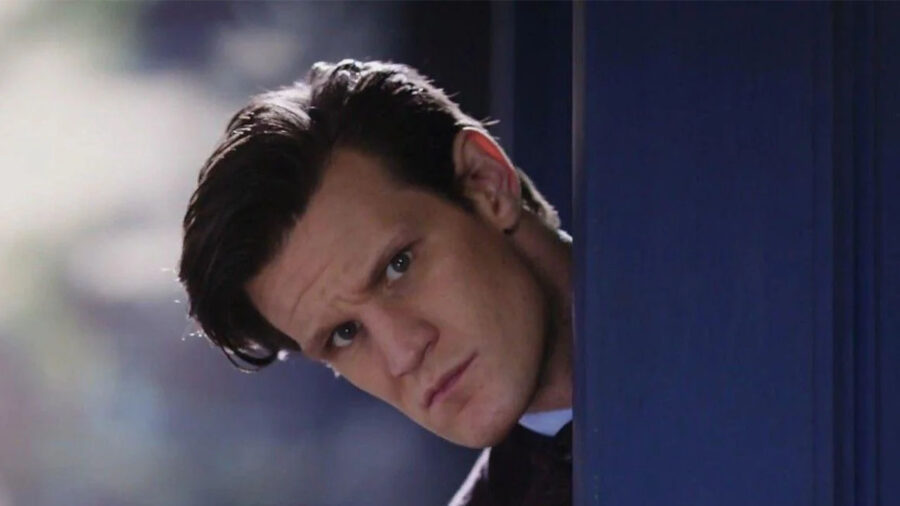
That brings me to the last and arguably most compelling reason why Steven Moffat is the best Doctor Who showrunner: the dialogue. Moffat personally wrote a huge number of the episodes under his run, and he gave his characters the wittiest, breeziest banter this side of The West Wing. For as beautifully cinematic as his episodes were, they are almost as enjoyable if you close your eyes entirely and just soak in the weird, found family warmth of the show’s dialogue. Even when Moffat was at his worst (“The Doctor, the Widow and the Wardrobe,” anyone?), he was still writing circles around everyone else.
Long story short? We’re not going to have any new Doctor Who for a while. Possibly a long while; the last hiatus for the show lasted 16 years! There’s no time like the present to go back and watch your favorite episodes of the revival that began in 2005. If you’re someone who hated Steven Moffat’s run back in the day, I encourage you to give him another shot. Every shot is beautiful, every mystery is riveting, and every character is three-dimensional. Throw in dialogue that feels like the lovechild of Joss Whedon and Aaron Sorkin, and you have episodes that can help you do the impossible.
Namely, wash the awful taste of Russell T. Davies’ last two seasons out of your mouth!

How to watch Belgium vs. Egypt online for free
Angels pursue rare series sweep against Rays


