Entertainment
The Terrible TV Trend That Needs To Die With The Buffy Reboot
By Chris Snellgrove
| Published


Recently, Hulu canceled a new Buffy the Vampire Slayer show, which understandably upset fans. After all, they had been waiting decades to see more of their favorite ‘90s icon kicking butt onscreen. Plus, many of those fans are now parents, and they were hoping to use the new show as a way of introducing kiddos to their own childhood.
Personally, though, I was a bit relieved to see the new show get canceled. Because Sarah Michelle Gellar was the only returning cast member and she was barely in it, I worried that it would be Buffy in name only. Plus, I worried that the absence of the original creative team meant the new show wouldn’t have the old magic. Mostly, though, I’m hoping the death of this new Buffy show leads to the death of the most annoying trend in media: the television revival.
Rise Of The Revival
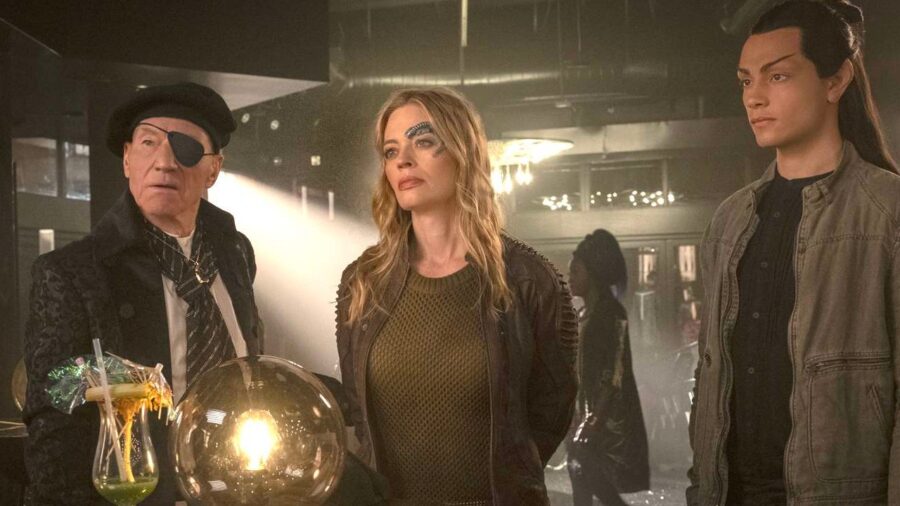
These days, streaming platforms (especially Netflix) are increasingly filled with absolute slop. You know the kind: original content that is either play-by-numbers melodrama, CGI schlockfest, or both. This has led audiences to stream more of the content they loved growing up. Unsurprisingly, this primarily consists of classic TV shows, which now function as so much more than nostalgia. They are our comfort food and security blanket all rolled into one, something many of us increasingly turn to now that the world (both streaming and otherwise) is turning into such a hellscape.
Obviously, it didn’t take network executives very long to realize they were sitting on a golden opportunity. When shows from yesteryear are more popular than ever on streaming, it’s a no-brainer to revive them with a completely new show. More often than not, these feature actors who haven’t exactly been very busy (like David Duchovny and even Patrick Stewart) lately and are happy to relive their television heyday. Best of all, networks can deploy these revivals on the very same streaming platforms their biggest fans use, meaning they don’t have to worry about broadcast restrictions, sponsors, or any of the other drama that comes from network television.
On paper, TV revivals seem like a great idea for actors, networks, and fans. What could possibly go wrong, you ask? As it turns out, everything.
Few Diamonds, Plenty Of Rough

Before anyone yells at me, I do want to acknowledge the obvious: there are some really great TV show revivals out there. David Lynch’s Twin Peaks: The Return was a masterpiece of staggering, often heartbreaking genius. Fuller House was full of great nostalgia and crowd-pleasing moments for anyone who grew up quoting “You got it, dude.” If you can ignore that annoying ending, the Veronica Mars revival was a great reminder that Kristen Bell’s titular character is one of the best protagonists in television history.
Make no mistake, though: these good revivals are the exception, not the rule. Streaming platforms are littered with revivals that fizzled out because they could never match the quality of the original show. Frasier, for example, brought back only the title character while changing the setting and premise of the series; unsurprisingly, it was canceled after two seasons because what fans wanted was more of the original show’s ensemble brilliance. Conversely, The X-Files brought back plenty of characters, but the writing revealed there was nothing really left to do with everyone’s favorite pair of spooky FBI agents.
Similarly, the Murphy Brown revival was a dud because its quaint ‘90s political sensibilities just didn’t work in a world where both politics and the discourse surrounding it have completely changed. Heroes Reborn just served as a sloppy reminder of what we already knew: that Heroes should have ended after Season 1. Gilmore Girls: A Year In The Life provided exciting new reasons to scream at Rory about her increasingly terrible life decisions. Let’s not forget the Night Court revival, whose attempts at comedy were just as dead on arrival as, well, a huge chunk of the original cast!
Killing Franchise Reputations, One Show At A Time
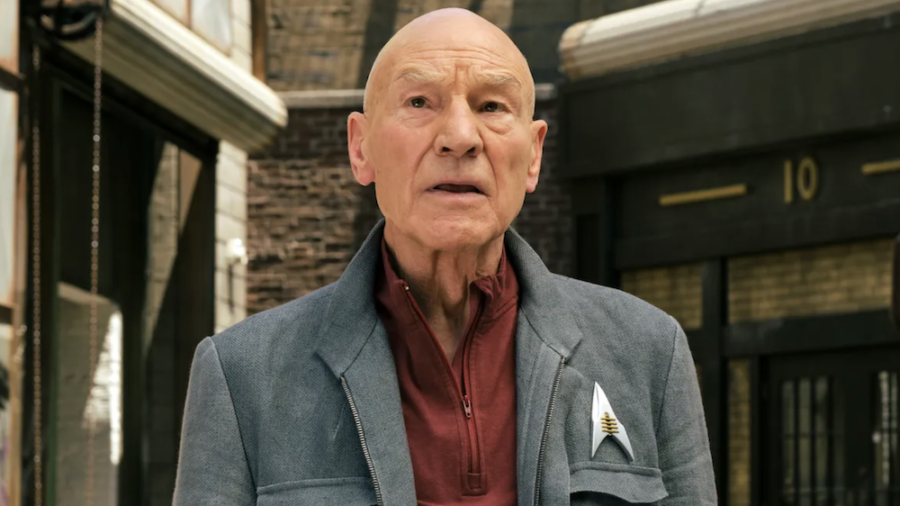
So far, I’ve covered two kinds of TV revivals: the ones that are mostly solid and the ones that are completely awful. But there’s a secret, third kind of revival: the ones that are both bad and good. That ‘90s Show, for example, was actually starting to show promise when Netflix killed it. Star Trek: Picard served up two completely awful seasons before finally turning in a fan-favorite final season. Will & Grace, meanwhile, started out strong, but that final season was so limp that I can only imagine Jack making a crude joke about it.
For fans of the original shows, these revivals are just as bad as the completely terrible TV reboots. That’s because they sully the reputation of the original show while wasting our time. Why even bring back Captain Picard after nearly two decades, for example, if it will take another couple of years to give him a good season? Speaking as a huge fan of Star Trek: The Next Generation, I’d have preferred if this show had never gotten a revival. If I wanted to see one of my favorite shows reduced to a mediocre action fest filled with out-of-character performances, I don’t need Picard; I can just go rewatch Star Trek: Nemesis.
No More, With Feeling

While the creators are hoping to shop it to a new platform, the Buffy show is currently dead. With any luck, this will be the final nail in the coffin for the TV show revival. With any luck, the Powers That Be will finally get the message that audiences no longer have any appetite for halfhearted remakes of shows that were once great.
Hopefully, this will lead to the creation of brand-new IPs, a pleasant alternative to producers lazily strip-mining the hits of yesteryear. As always, viewers need to realize how much actual power they wield over the various corporations and streaming platforms that keep bringing these franchises back to life. If you really want to see fresh ideas return to the small screen, the solution is simple: stop streaming these crappy revivals and stick to physical media for your nostalgia fix. Otherwise, the modern adage remains true: if you keep watching slop, they’ll just keep making it!