
Entertainment
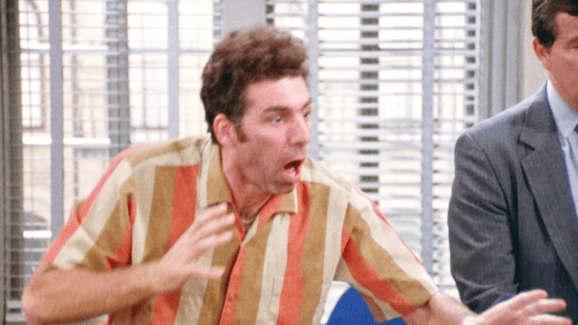
The Seinfeld Episode So Controversial It Was Never Filmed
By Robert Scucci
| Published

Self-censoring in the name of self-preservation is often seen as a sign of weakness, but sometimes it’s a necessary evil, especially when it comes to network television. What might sound like a great idea in the writers room can quickly turn into a liability once it’s read out loud, and the cast and crew of Seinfeld knew they were flirting with trouble if they ever greenlit “The Bet,” a Season 2 episode that was scrapped before entering active production because of its controversial approach to gun violence.
In this case, completely nixing the episode during a table read wasn’t the result of an overbearing standards and practices board stepping in at the last minute. It was the Seinfeld cast itself deciding that the entire episode crossed a line and felt wrong.

Written by Larry Charles, who remained with Seinfeld through Season 6, “The Bet” never fully materialized and was ultimately replaced by “The Phone Message,” which Jerry Seinfeld and Larry David famously wrote in just two days to make sure an episode still made it to air. Ironically, “The Phone Message,” despite its critical praise, was a ratings failure and ended up putting the show on a two-month hiatus anyway.
Had “The Bet” been fully realized, any backlash could have very well killed the show outright. Seinfeld didn’t truly find its footing until Season 3, and at that early stage, the margin for error was razor thin.
“The Bet” Broken Down

Reading the synopsis today, the scrapped episode’s premise doesn’t sound especially outrageous on paper. The structure follows the familiar A and B story format most sitcoms rely on, but the A story is where things went off the rails. Elaine deciding she wants to buy a gun is what made everyone involved reconsider filming the episode. Larry Charles, who worked on the series through Season 6, wrote the script with the intention of pushing Seinfeld into darker territory.
The B story involves a bet between George and Jerry over whether Kramer hooked up with a flight attendant while traveling to Puerto Rico, and it’s all fairly standard stuff. There’s no controversy there, just classic Seinfeld material that feels perfectly in line with the show’s usual rhythm.

During the table read, Julia Louis-Dreyfus recoiled when she got to one scene in particular. In it, Elaine holds a gun, to be purchased with Kramer’s help, to her own head and asks Jerry, “Where do you want it, Jerry? The Kennedy? Or The McKinley?” while pointing the gun at her head and stomach, respectively.
Louis-Dreyfus immediately voiced her concerns to Jason Alexander and Tom Cherones, who were slated to co-direct the episode. After talking it through, they all agreed the plot line pushed things far past the point of discomfort. The episode was shelved indefinitely, and with the show needing to go on, Jerry Seinfeld and Larry David got to work writing a replacement.
An Appropriate Amount Of Restraint

While I don’t generally agree with censorship for its own sake, I side with the Seinfeld camp for shelving “The Bet” before it caused real damage to the series. Today, it’s easy to forget just how fragile the show was early on. We now recognize Seinfeld as the cultural juggernaut it became, but that success was anything but guaranteed at the time of the initial table read.
The series limped through its first two seasons, which would be unheard of by today’s standards. NBC saw potential and allowed it to continue far longer than most new shows would ever be given now. At such a critical moment in its run, shelving an episode that could have alienated audiences was a smart move. It saved the show from shooting itself in the foot, pun fully intended.

Seinfeld writer Larry Charles has since admitted that he pushed the premise too far, and he’s never expressed any bitterness over the decision. It’s hard to imagine he would have continued working on the show if there had been lingering resentment. He has gone on record saying the idea likely would have been better received in a later season, once Seinfeld became a household name and had the clout to get away with more controversial episodes like “The Contest.”
The Funny Has To Outweight The Controversy
Following one of comedy’s oldest rules, Charles loved the darker elements of “The Bet,” but acknowledged that if you’re going to lean that hard into discomfort, the material needs to be disproportionately funny. By his own admission, it simply wasn’t. That’s the measuring stick all comedy lives and dies by. Shock value on its own almost always earns mixed reactions unless it’s paired with something genuinely hilarious.

Ironically enough, Jerry actually gets gunned down in exaggerated fashion when he imagines the consequences of stealing cable in a later Season 2 episode, “The Baby Shower,” which only reinforces the point. It’s a self-contained sequence of imagined violence that exists entirely within the show’s heightened reality and plays as absurd rather than provocative. That kind of cartoon logic is a far cry from Elaine making light of assassinated presidents, which would have put the show under far harsher scrutiny.
“The Bet” was written with the wrong voice at the wrong time. Had Seinfeld been a runaway success from the start, it might have gone down as a daring classic. Instead, it stood a real chance of killing the show before it ever had the opportunity to become what we now remember it as. In the end, everyone involved arrived at the same conclusion organically, without a top-down mandate telling them to pull the plug.

Seinfeld is streaming on Netflix.
Entertainment
Hurdle hints and answers for July 22, 2026

If you like playing daily word games like Wordle, then Hurdle is a great game to add to your routine.
There are five rounds to the game. The first round sees you trying to guess the word, with correct, misplaced, and incorrect letters shown in each guess. If you guess the correct answer, it’ll take you to the next hurdle, providing the answer to the last hurdle as your first guess. This can give you several clues or none, depending on the words. For the final hurdle, every correct answer from previous hurdles is shown, with correct and misplaced letters clearly shown.
An important note is that the number of times a letter is highlighted from previous guesses does necessarily indicate the number of times that letter appears in the final hurdle.
Mashable 101 Fan Fave: Nominate your favorite creators today
If you find yourself stuck at any step of today’s Hurdle, don’t worry! We have you covered.
Hurdle Word 1 hint
Possessive.
Hurdle Word 1 answer
WHOSE
Mashable Top Stories
Hurdle Word 2 hint
A small, round fruit.
Hurdle Word 2 Answer
GRAPE
Mashable 101 Fan Fave: Nominate your favorite creators today
Hurdle Word 3 hint
To intrigue.
Hurdle Word 3 answer
PIQUE
Hurdle Word 4 hint
To follow.
Hurdle Word 4 answer
ABIDE
Final Hurdle hint
To yearn for.
Hurdle Word 5 answer
COVET
If you’re looking for more puzzles, Mashable’s got games now! Check out our games hub for Mahjong, Sudoku, free crossword, and more.
Entertainment
Netflix Horror Thriller Series Brings Fan-Favorite 90s Books To Life
By Charlene Badasie
| Published
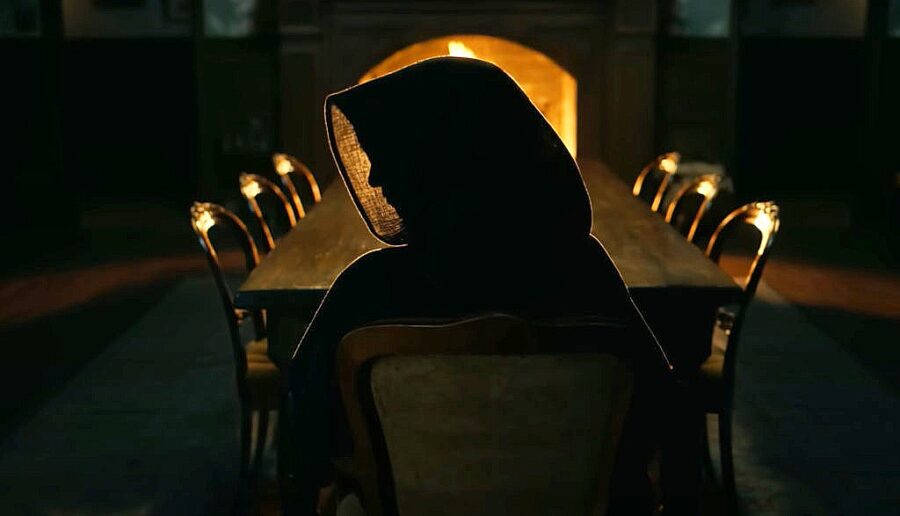
The 2022 horror mystery-thriller The Midnight Club is one of Netflix’s most overlooked originals. Created by Mike Flanagan and Leah Fong, the 10-episode series adapts Christopher Pike’s 1994 novel of the same name while weaving elements from 27 of the prolific YA author’s other books into a single haunting story. Set at Brightcliffe Hospice Care for Teenagers, it follows a group of terminally ill young adults who gather each night to share terrifying stories and unravel the institution’s darkest secrets.
The Patients Of Brightcliffe
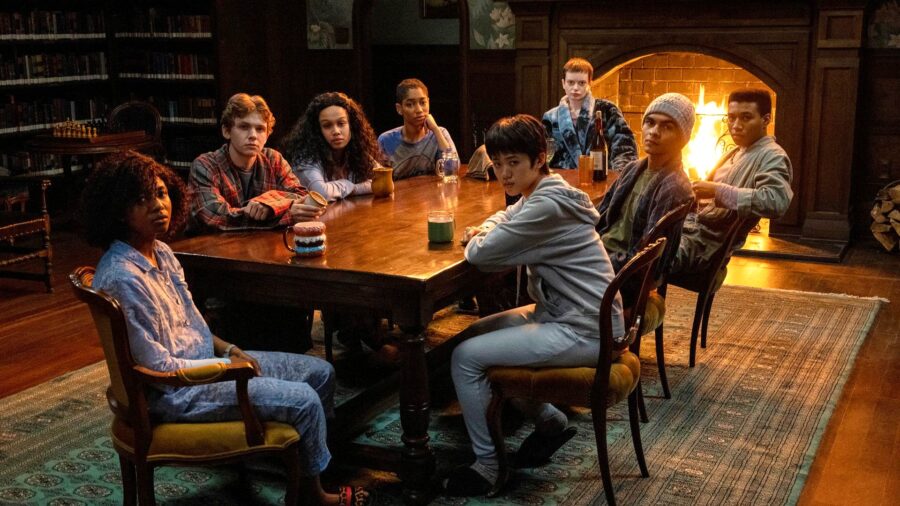
Set in the mid-1990s, the series begins when Ilonka (Iman Benson), a bright and ambitious young woman battling terminal thyroid cancer, chooses to live at Brightcliffe Hospice Care. She befriends Kevin (Igby Rigney), a leukemia patient, and clashes with her roommate Anya (Ruth Codd). One night, Ilonka stumbles upon a secret gathering of the Midnight Club.
The secret society, comprised of the patients of Brightcliffe, tries to communicate with the dead and shares eerie stories that intertwine with the hospice’s ominous history. As Ilonka delves deeper into the story of a former patient named Julia Jayne (Larsen Thompson), the supposed healer from the past, she uncovers a sinister cult, symbolized by the number “292.13,” and drawings that hint at a dark past.
21 Jump Scares
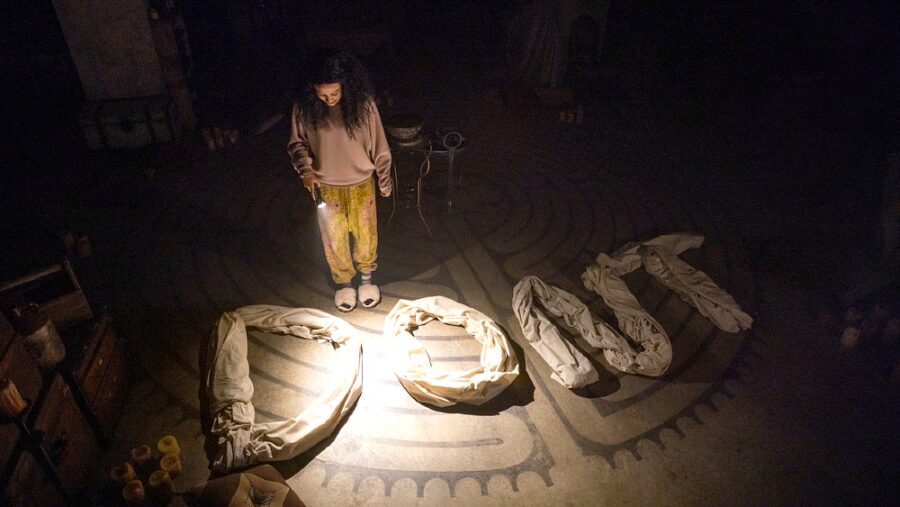
Julia, the founder of the original Midnight Club in 1969, had connections to Paragon, a cult that practiced unsettling rituals. The plot thickens as Ilonka, with Kevin’s help, discovers a hidden floor beneath the hospice. Records of the original club and evidence of a cult terrify the group. The final episodes bring closure for some characters, while others meet tragic ends.
The Midnight Club quickly captured the attention of Netflix audiences, recording an impressive 90.31 million hours viewed between October 2 and October 23, 2022, securing its position in the platform’s top 10. The series’ debut episode also made history by breaking the Guinness World Record for the most scripted jump-scares in a single episode, with 21 hair-raising moments.
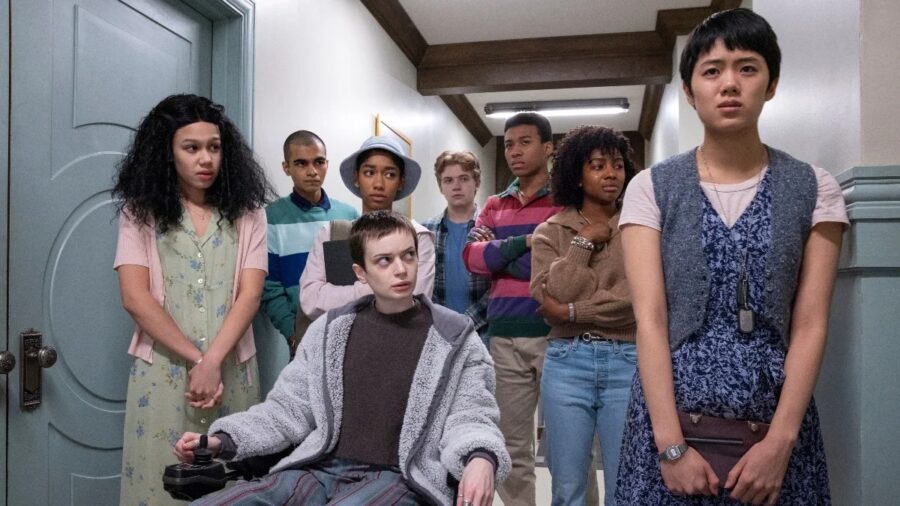
The series was initially supposed to run for multiple seasons but was unexpectedly canceled in December 2022. Despite its premature ending, The Midnight Club earned critical acclaim and currently holds an 85 percent approval rating on review aggregator Rotten Tomatoes. Critics praised Flanagan’s heartfelt approach to horror and the unique blend of individual stories with the overarching plot.
Other Horror Titles On Netflix From Mike Flanagan
Mike Flanagan has made a name for himself with his Netflix shows, including The Haunting of Hill House, The Haunting of Bly Manor, Midnight Mass, and The Fall of the House of Usher. These series are known for their focus on the human condition rather than jump scares and loud noises. Flanagan’s nonlinear approach to horror works very well, and he often tells parallel stories in the past and present.
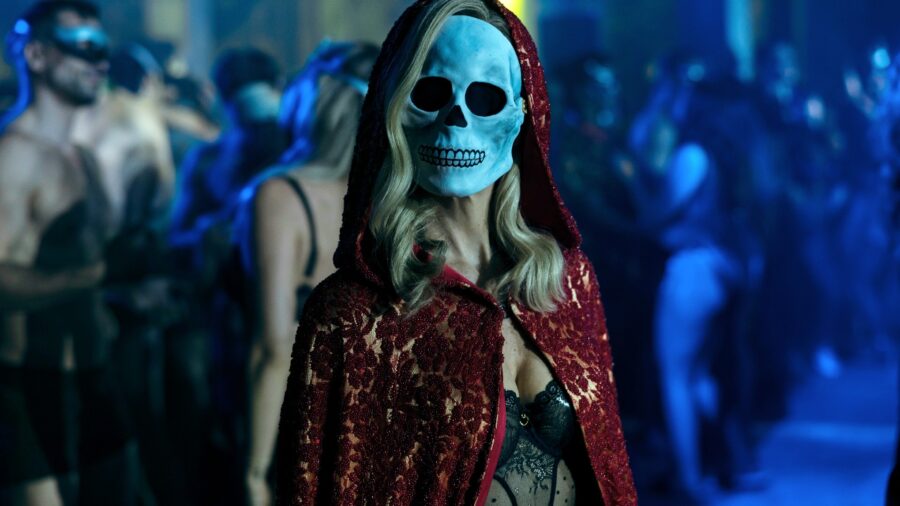
The Haunting of Hill House became a huge surprise hit and remains a fan favorite. The Fall of the House of Usher, Flanagan’s most recent Netflix project, is an adaptation of Edgar Allan Poe’s vast bibliography and is up there with his best efforts. While The Midnight Club may have been axed prematurely, its chilling tales, stellar cast, and impressive viewership numbers are cemented into the annals of Netflix’s haunting offerings.
Entertainment
Netflix Sci-Fi Time Loop Thriller Overlooked For Years Shatters All Expectations
By TeeJay Small
| Published

Time loop movies are all the rage, with incredible high-concept ideas taking the premise plotted out by 1993’s Groundhog Day and expanding upon it in a new and creative fashion. One such film is 2016’s ARQ, a film that takes the time loop concept and pairs it with action thriller set-pieces.
ARQ‘s a wild ride from start to finish. Though the film failed to make a massive splash when it was first released on Netflix nearly a decade ago, it stands as an excellent outing, shocking many fans who find their way to the film today.
Reliving A Violent Kidnapping

ARQ‘s plot centers on a couple named Renton and Hannah, who wake up one morning as three violent men break into their bedroom. Despite their attempts to fight back and escape, the situation restarts each time they achieve any level of success. After the armed men successfully capture the couple and tie them to chairs, the leader, known only as ‘Father,’ explains that they are part of a rebel group called the Bloc.
Father commands Renton to give him money allegedly stolen from the massive Torus Corporation, where Renton is employed. Once the Bloc men are distracted, Renton cuts himself and Hannah loose and explains that he built and stole a perpetual motion machine, which he calls the ARQ, while working for the company.
ARQ Saved By Netflix

ARQ is written and directed by Orphan Black writer Tony Elliott. The idea for the film dates all the way back to 2008 when a Canadian film studio approached Elliott to option the script. The project fell into nearly a decade of development hell afterward.
Luckily, Netflix eventually bought the rights to produce and distribute the project in 2016 for a total budget of less than $2 million, resulting in the streamer being the exclusive home for the film worldwide.

ARQ stars Rachael Taylor, Shaun Benson, Gray Powell, Jacob Neayem, and Adam Butcher, with Stephen Amell’s brother, Robbie Amell, in the leading role. The film received a world premiere at the 2016 Toronto International Film Festival, where audiences were wowed by the high-concept application of a time loop film with so many moving parts.
What Sets ARQ Apart From Other Time Loop Movies

Unlike other time loop films, ARQ contains multiple time loops within other time loops, creating a veritable Fibonacci sequence of infinite loops that would drive the average person to madness. The film’s writing is spectacular, revealing intense sci-fi concepts, which explains why it may have been so difficult to make the film in the first place. Regardless, the film has finally found its home, even if it failed to leave a massive mark on the cinema landscape upon its release.
ARQ is now available to view on Netflix. Just be sure to catch it on a day when you’re not experiencing any deja vu.

White Sox place C Kyle Teel (ankle) on injured list
Rookies for 5 teams report as training camps officially begin


