
Entertainment
The 1960s Sci-Fi Movies That Are Still Worth Watching

By Joshua Tyler & Drew Dietsch | Updated
The sixties were a turning point in American culture and in science fiction.
For sci-fi movie lovers, it’s now remembered as the decade that brought us Stanley Kubrick’s groundbreaking 2001: A Space Odyssey, the beloved adaptation of H. G. Wells’ The Time Machine, and one of the greatest twists ever in Planet of the Apes.
Unfortunately, much of the decade’s other great science fiction films haven’t stuck around with modern audiences and are slowly being forgotten. Not if there’s anything we can do about it!
Let’s hop into our time machine and head back to an era when the ideas were bigger and better than most of the special effects they could pull off but nonetheless left their mark on movie history. These are the 1960s science fiction movies that are still worth watching.
Dr. Who and the Daleks (1965)
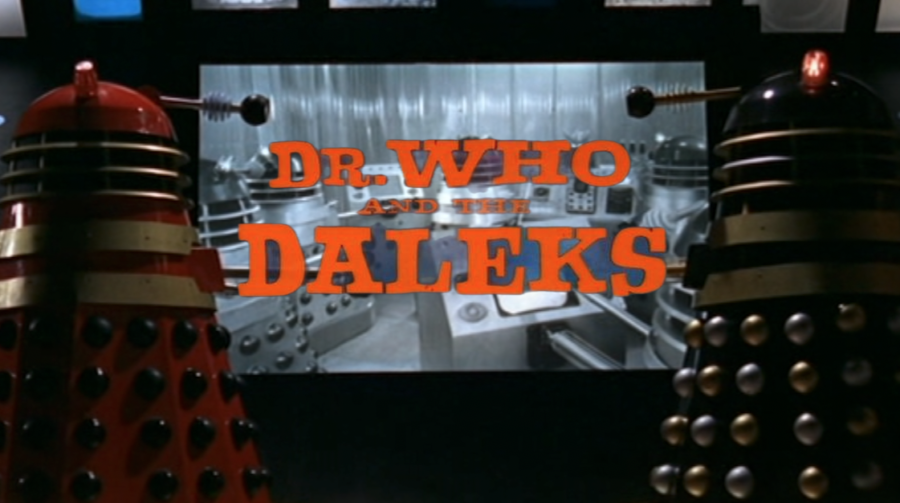
You know Doctor Who as a television show, but in 1965 the good Doctor got a big screen feature film called Dr. Who and the Daleks. It was the first time The Doctor had ever been seen in color.
Best of all, The Doctor is played by Star Wars’s own Grand Moff Tarkin, Peter Cushing.
The movie is an adaptation of one of the earliest Doctor Who serials, “The Daleks.” It features Dr. Who and his three young companions traveling to the planet Skaro to face off against the evil Daleks.
In this continuity—always intended to be separate from that of the show—The Doctor is actually named Dr. Who. And he’s not a time lord, he’s a human inventor who builds the TARDIS rather than stealing it. Most of the other changes are cosmetic in nature, but this still stands as a unique piece of sci-fi history any fan will want to check out.
The Last Man on Earth (1964)
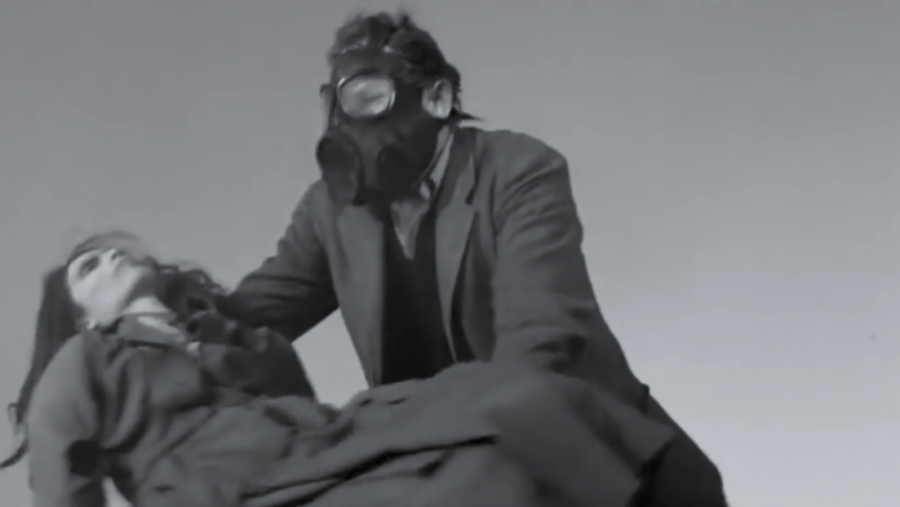
Before Richard Matheson’s landmark novel I Am Legend was turned into a Will Smith blockbuster and a Charlton Heston cheesy delight, the legendary Vincent Price starred in the original adaptation, The Last Man on Earth. After a plague turns the population into vampiric undead, Robert Morgan holes up and tries to survive after the world has changed.
The Last Man on Earth is a bleak, small movie that is surprisingly effective at its grim tone, thanks to an anchoring performance from the always excellent Price. It would go on to inspire George Romero’s game-changing Night of the Living Dead, so if you want to see where that movie came from, The Last Man on Earth is a must-watch chiller.
Barbarella (1968)
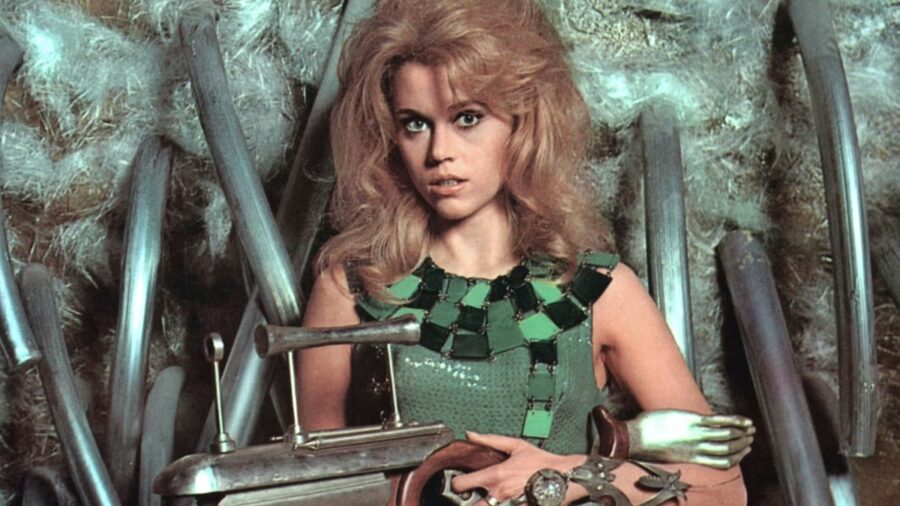
Barbarella is not the steamy space babe movie its reputation would lead you to believe.
Sure, the movie does contain a moderate amount of nudity, but it’s done in such a naive and innocent way that at times, you almost don’t notice.
Barbarella stars Jane Fonda as a solo space pilot traveling the cosmos in a distant future where Earth has progressed past the need for barbaric things like violence and war. They’ve also gotten rid of sex, replacing it with a pill.
With that context, Barbarella is sent to track down a galactic villain with plans to bring back violence and warfare. Early on in her journey, she discovers that this sex thing humans don’t do anymore is actually pretty good. It’s also useful, since whenever she does it, the man she couples with often ends up inspired to greater heights. Barbarella literally helps an angel get his wings by making love to him.
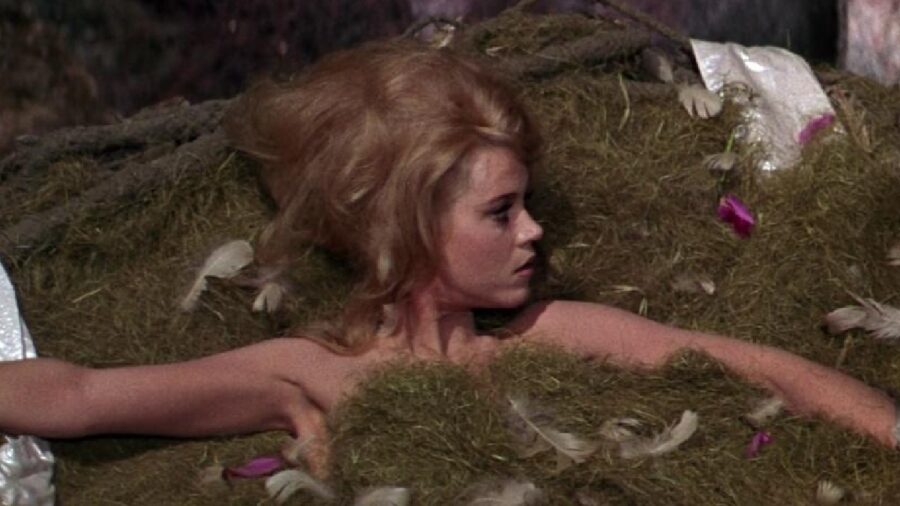
That sounds pretty sleazy, doesn’t it? But check out what one of those sex scenes looks like, totally uncensored, in the video at the top of the article.
The sex all happens off-camera, and what you’re actually watching is a series of beautifully constructed sci-fi set pieces in which actors of varying abilities wear lovingly crafted and totally unusual costumes. It’s clear their goal here was to create something more than a space movie. They were trying to create a very ‘60s kind of free-love visual art.
Do they succeed? That’ll be up to you but we can say for sure that there is no other movie like Barbarella and it’s a staple of the decade for a reason.
Planet of the Vampires (1965)
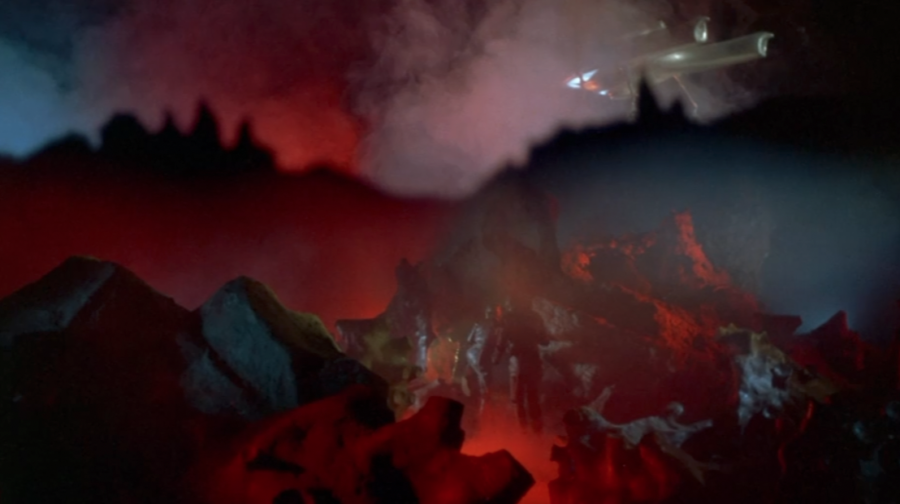
Italian genre maestro Mario Bava made one of the biggest impacts on sci-fi cinema with Planet of the Vampires. The story involves a spaceship crew responding to a distress signal on an unexplored planet where they end up finding the remains of a long-dead giant alien species.
Sure sounds like another sci-fi horror movie you might know, doesn’t it? Planet of the Vampires certainly inspired Alien but it’s more of an alien zombie movie than a vampire one. The usual Mario Bava colorful design and poppy tone make it a fun and important piece of sci-fi cinema history.
First Men in the Moon (1964)
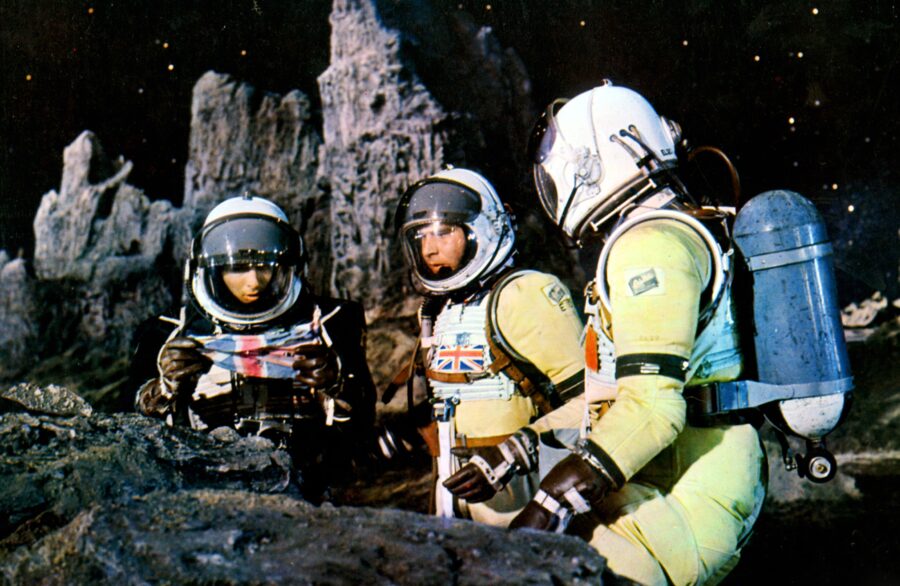
Shortly before humans landed on the moon and found out what it’s actually like, Hollywood produced this H. G. Wells adaptation which uses a nifty framing device to hold it all together.
Imagine if Neil Armstrong took his one small step, and then found a note written by someone from 1899 telling him he wasn’t the first.
First Men in the Moon soon flashes back to that original, secret 1899 mission and explores what it might have been like if man had gone to the moon during the Victorian era. The answer is they might have ended up underground and encountered a secret moon interior full of awesome Ray Harryhausen stop-motion monsters. Oh, who doesn’t love some Ray Harryhausen stop-motion monsters?
The movie was never a box office hit, but it soon became something of a cult success. It’s now regarded as one of the best adaptations of H. G. Wells’s work. George Pal’s The Time Machine gets tons of deserved love and attention, but First Men in the Moon is another ’60s adaptation of classic science fiction you won’t want to skip.
Fantastic Voyage (1966)
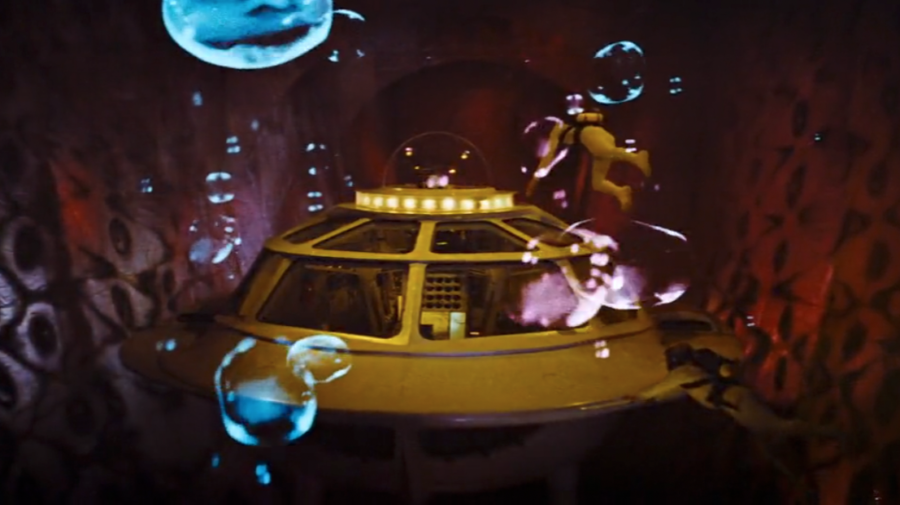
Long before Ms. Frizzle took the Magic School Bus into one of her students and the Futurama crew traveled into Fry’s bowels, Fantastic Voyage explored the inside of a Soviet defector. The movie won multiple awards, features a star-studded cast, and has provided the visual language for every film or television show you’ve seen that goes inside the circulatory system.
Released in 1966, Fantastic Voyage is a technical marvel of its day. The movie’s original trailer heralded it as “a new kind of moviegoing experience,” and for once, that wasn’t hyperbole. It was a fact.
Isaac Asimov, one of the greatest sci-fi authors of all time, wrote the novelization of the film, which came out before the movie.
Today, Fantastic Voyage stands out as a turning point in sci-fi movies by exploring a brand new setting that had never been done on this scale before. It still holds up as a technical advancement and a wonderful adventure.
Robinson Crusoe on Mars (1964)
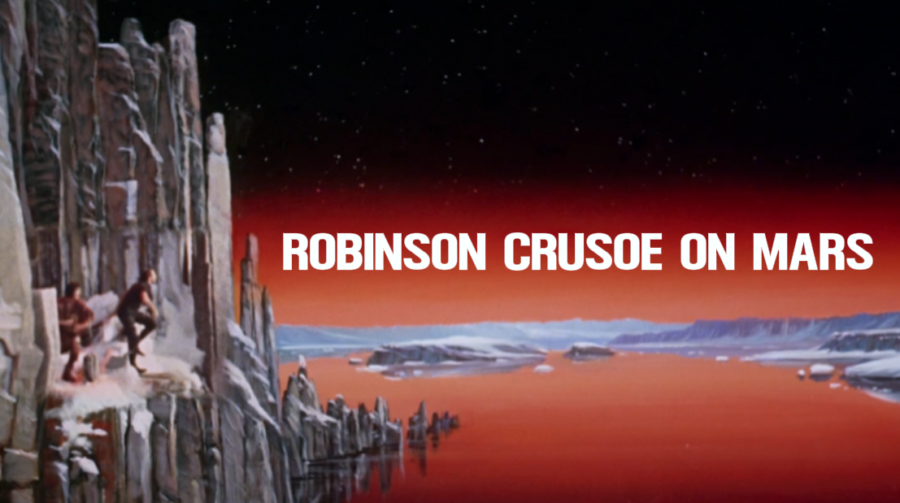
Imagine Matt Damon’s The Martian if it had been filmed in the 1960s and teamed him with a spacesuited monkey. You’d have Robinson Crusoe on Mars.
The movie’s main character isn’t named Robinson Crusoe, but other than that, it’s a pretty straight adaptation of the Daniel Dafoe classic novel, if it took place in space.
Most of Robinson Crusoe on Mars was filmed in Death Valley, but you’d never know it. The production design is excellent for the era, and it does its best to find a level of realism consistent with science’s very limited knowledge of what it might be like on Mars. And even the unrealistic parts are actually fun.
Check out the wacky way these alien spacecraft move in the video. I love it.
As a bonus, Adam West appears briefly in the movie as a cocky astronaut. He’s there just long enough to make you wonder why he wasn’t cast as the movie’s lead. Still, Robinson Crusoe on Mars was notable enough to get restored and released by the Criterion Collection. That should tell you it’s a worthy watch.
Seconds (1966)
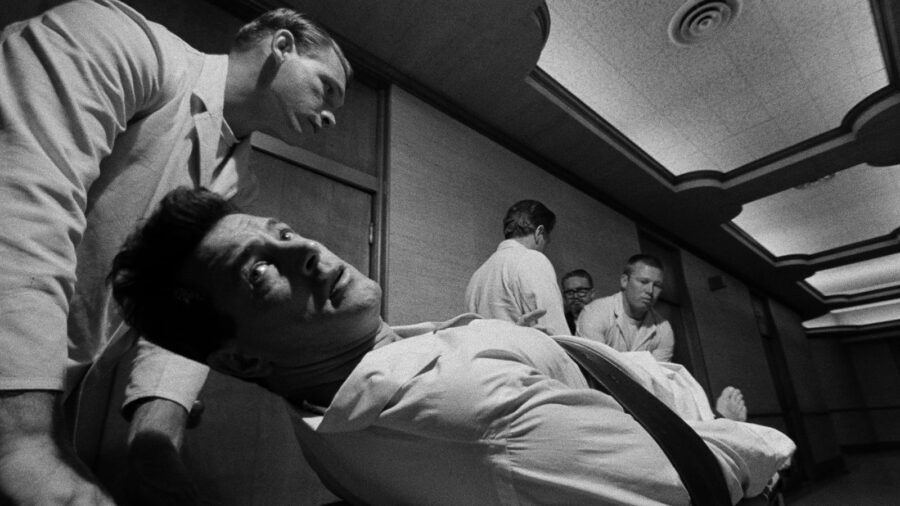
In Seconds, screen icon Rock Hudson gives one of the best performances of his career as an aging stoic lured in by a secret company that can change his identity and make him younger, as a means to find happiness without responsibilities.
In his new identity, he soon falls in with a bunch of naked hippies and finds himself entangled with an unsettling woman who has also fled her boring life. And he still isn’t happy.
Seconds was adapted from a novel by David Ely and directed by legendary Hollywood luminary John Frankenheimer, who set out to use off-kilter compositions to give his movie an unsettling feel and he definitely succeeded.
Seconds plays out like an especially good episode of The Twilight Zone, and it’s always worth watching The Twilight Zone. Seconds is no different.
X: The Man with the X-Ray Eyes (1963)
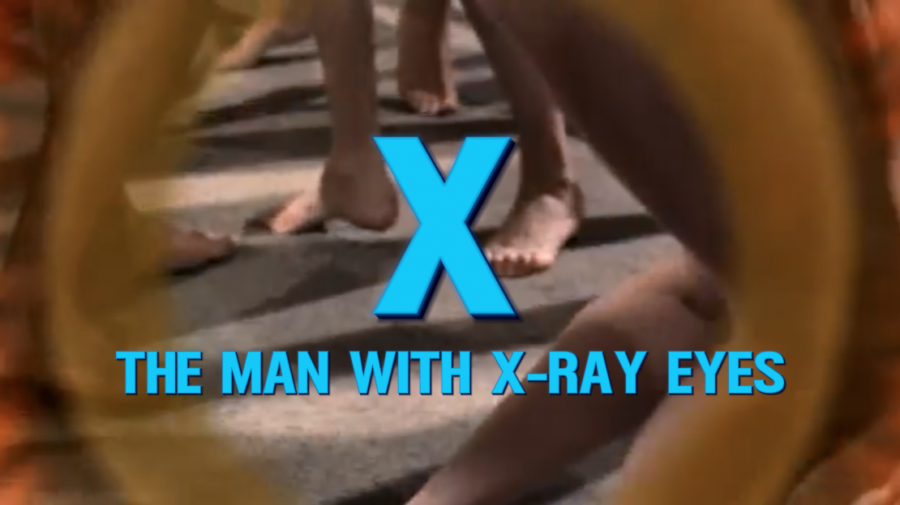
Roger Corman is responsible for tons of sci-fi flicks over the years, and one of his all-time best is X: The Man with the X-Ray Eyes. Ray Milland plays a scientist who wants to experiment with expanding the powers of human sight. He develops eye drops that give him x-ray vision that he’s able to control it at first. But soon, he can’t sleep because he can see through his eyelids and things get worse from there.
Thanks to Milland’s full commitment and the nightmarish descent the movie spins into, X: The Man with the X-Ray Eyes takes what could be a horrible gag premise and treats it with serious sci-fi scrutiny and horror.
The Nutty Professor (1963)
Steve Urkel tried to copy it.
Eddie Murphy tried to top it.
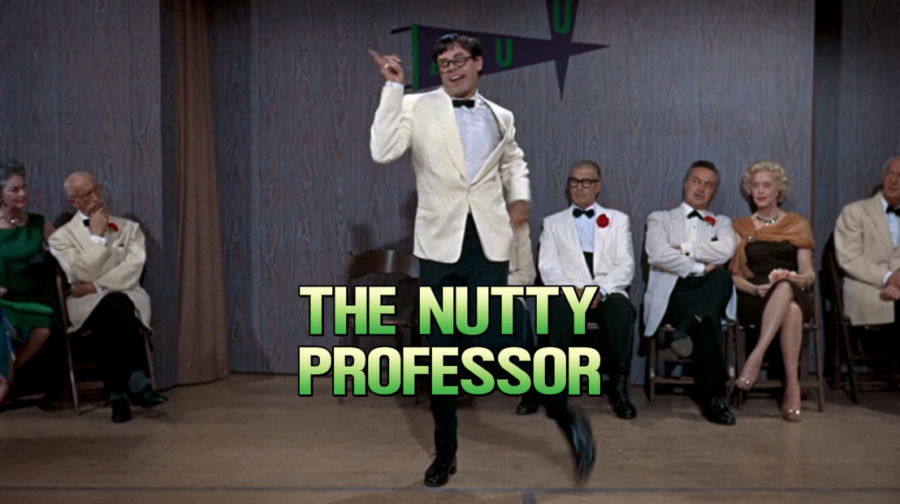
But Jerry Lewis’s original 1963 version of the classic nerd turns-cool, mad science tale is still the best version.
Lewis plays a geek who does everything he can to stop being a geek. He even tries working out. It goes so badly that his doctor tells him to give it up.
But a man of science never gives up. He finds a chemical formula that transforms him into the confident person he’s always wanted to be. Unfortunately, all that confidence quickly turns him into a total jerk.
Jerry Lewis both co-wrote and directed the movie. He used video playback after each scene to meticulously evaluate what he’d done. That’s commonly used now, but he was one of the first to do it back in 1963.
The result was an immediate hit. The Nutty Professor is now regarded as one of Lewis’s best movies and one of the greatest comedies of the decade. Not a bad way to spend less than two hours.
Quatermass and the Pit (1967)
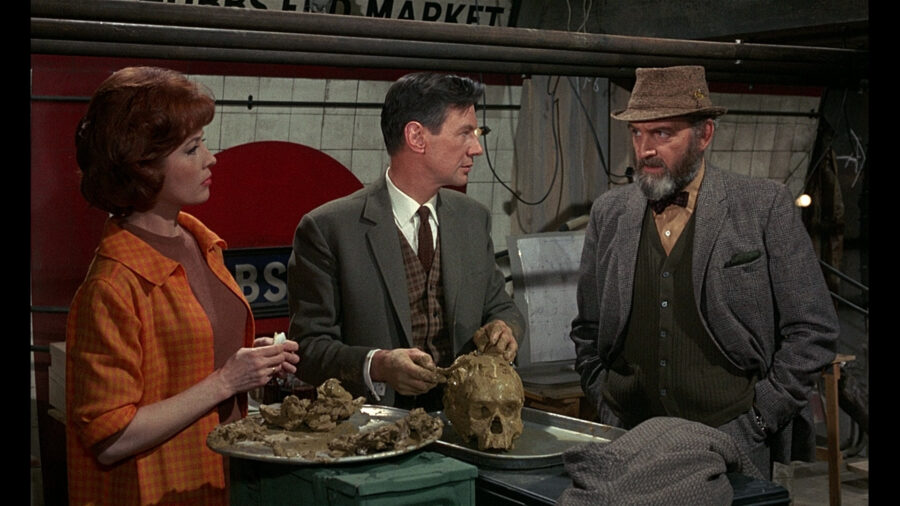
Released as Five Millions Years to Earth in the US, Quatermass and the Pit is actually part of a series of sci-fi horror classics surrounding the character of Professor Bernard Quatermass, but this is the best of the bunch.
An ancient Martian spaceship is unearthed in London and inside are the corpses of insect-like aliens. Discoveries about the history of human evolution are revealed and by the end, a Martian psychic energy ghost is driving civilization into an apocalyptic frenzy. It’s one of the most incredible and influential sci-fi stories ever put on screen, and if it’s stuffier than you might be used to, just wait until that stupendous finale. You won’t regret it.
Do you have any favorite sci-fi movies from the 1960s? Leave your picks in the comments and make sure you subscribe to the YouTube channel for even more videos from us here at Giant Freakin Robot.
Entertainment
Grandma Anne’s Secret Jell-O


I love making food that people appreciate — the kind of meal that makes the whole table go quiet at the first bite. But you know what I kind of love more? Making food that makes the whole table shriek like kids chasing the ice-cream truck.
So, when I happened upon a “secret Jell-O” recipe in chef Hillary Sterling’s new cookbook, Ammazza! — titled for the Roman slang term, which roughly translates to “wowee!” — I knew I had to share.
“This was the defining treat of my childhood,” explains Hillary. Growing up, her Grandma Anne always kept a bowl of Jell-O in the fridge. “She added halved grapes, and they’d hover in the middle while it ‘jellified.’ It tasted so cool, refreshing, and delicious.” As adults, Hillary and her sister tried to replicate it, but never managed to get the taste just right. That’s when their grandpa clued them in to Grandma Anne’s secret ingredient: sweet liqueur. “Turns out, our favorite childhood dessert was one part Grandma, one part frat party.”
Hillary’s own adaptation is a little more cocktail-party than frat, but just as festive: a ruby-red confection, studded with plums and served in a champagne coupe. Plus, it’s incredibly simple, with less than 10 minutes of active cooking time. And while I’ll give Grandma Anne the benefit of the doubt, and say she probably wasn’t trying to inebriate her grandchildren, this recipe has almost a shot’s worth of brandy per serving (wowee, indeed!). So, let’s maybe keep it at the grown-ups table.
Grandma Anne’s Secret Jell-O
from Ammazza! by Hillary Sterling
Serves 4
1/2 cup (115 g) prunes*
3/4 cup (180 ml) brandy
1 85-gram package cherry gelatin
*It’s true, prunes are dried plums. Here, they’re essentially rehydrated in the cooking process.
In a small pot, combine the prunes and 1/2 cup (120 ml) of the brandy. Bring to a boil, then turn the heat low, and cook until the prunes absorb all the liquid (about 5 minutes). Set aside. In a separate small saucepan, bring 1 cup (240 ml) of water to a boil. Place the gelatin in a heatproof bowl, then pour the hot water over it, whisking until fully dissolved (about 2 minutes). Stir in the remaining 1/4 cup (60 ml) of brandy and 1 cup (240 ml) of cold water.
Divide half of the gelatin mixture evenly among four glasses, filling them about halfway. (“This is the time to break out your heirloom wine glasses or champagne coupes,” says Hillary. “Style and presentation meant everything to my grandmother.”) Arrange the glasses on a small sheet pan for stability. Refrigerate, uncovered, until just set (about 1 hour).
Finally, divide the steeped prunes evenly among the glasses, gently placing them on top of the set layer. Top each glass with the remaining gelatin — the fruit will “float” as it sets. Cover and refrigerate until firm but still jiggly (about 1 hour more). Serve, and enjoy!

Thank you so much, Hillary! And congratulations on your beautiful cookbook.
P.S. More fun party recipes, including a chaotic pavlova and a pasta cake.
(Photos by Kelly Puleio. Excerpted with permission from Ammazza!, on sale now from Scribner, an imprint of Simon & Schuster. Copyright © 2026 by Hillary Sterling)
Entertainment
The Bradley Cooper Horror Movie That Will Break Your Brain
By Sean Thiessen
| Published
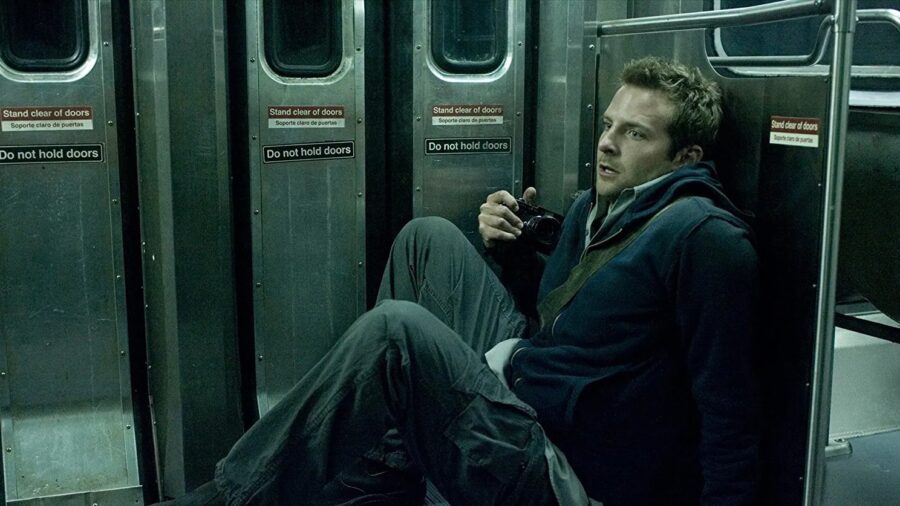
What do you get when you cross Bradley Cooper with a Clive Barker horror story? The answer: 2008’s gory cult classic The Midnight Meat Train. Though a slashed theatrical release buried the film, this disturbing bloodbath has finally been unearthed on Tubi.
Riding The Rails Has Never Been More Dangerous
Bradley Cooper leads The Midnight Meat Train as Leon Kaufman, a photographer keen on capturing the grit of city life. After his portfolio is rejected by a high-profile gallery owner for being too safe, Leon ventures out in search of danger. Spoiler alert: he finds it.

Leon captures a brutal act of violence on a subway and becomes obsessed with tracking down a serial killer who has been enacting carnage on the late-night train for years. Leon spirals down a tunnel of mystery that slowly unravels a conspiracy that goes all the way to the bottom. He struggles to gain the support of the police and even his own girlfriend, portrayed by actress Leslie Bibb. The Midnight Meat Train speeds toward a sinister conclusion that is a must-see for horror fans.
This Bradley Cooper film is unlike any other. The Midnight Meat Train was adapted from Barker’s short story by Pet Sematary (2019) screenwriter Jeff Buhler and directed by Japanese filmmaker Ryûhei Kitamura. The result is a dark, tense, and revolting horror mystery, complete with the hyper-stylized sensibilities of 2008.

The film was originally set as the feature directorial debut of Patrick Tatopoulos, a special effects wizard and production designer who cut his teeth on movies like Independence Day, I, Robot, and Underworld. It was scheduled to shoot in New York City in 2005.
Tatopoulos was replaced by Kitamura and, in an effort to cut costs, Bradley Cooper and the rest of the gang shot The Midnight Meat Train in the Los Angeles metro system. Production finally began in the spring of 2007.

Lionsgate distributed the film but only opened the movie in the secondary theatrical market, limiting the release to about 100 screens. It was then quickly released on DVD, much to the filmmakers’ dismay. Clive Barker openly criticized Lionsgate’s Joe Drake for burying other films in order to venerate The Strangers, for which Drake was a producer.
Critics twho saw The Midnight Meat Train generally liked it, praising the acting from Bradley Cooper, Leslie Bibb, Vinnie Jones, and the rest of the cast. The film carries a 70 percent critical score on Rotten Tomatoes on the consensus that it delivers the thrills, scares, and gore its target audience seeks.
Bradley Cooper’s Career Took Off After Midnight Meat Train

Bradley Cooper jumped from Midnight Meat Train into the following year’s breakout hit The Hangover. That film launched Cooper from a solid supporting actor to a bankable leading man. The Hangover spawned a lucrative trilogy of comedies that provided a steady stream for Cooper as he expanded to dramatic horizons.
Cooper has since led an exciting and successful career as an actor, director, and producer. His performance in 2012’s Silver Linings Playbook earned the actor his first Oscar nomination, which he followed up with nominations for his work in American Hustle, American Sniper, and A Star is Born. As a producer, his films Joker, A Star is Born, American Sniper, and Nightmare Alley were nominated for Best Picture.

Bradley Cooper’s horror background with Midnight Meat Train paired with the gnarly sensibilities of director James Gunn to bring about Rocket Raccoon in the Guardians of the Galaxy trilogy. The character may be Cooper’s most iconic, but it is easy to forget that such a high-profile actor lurks beneath the CGI surface of the lovable a-hole.
The evolution of Cooper’s career is a fascinating one, and The Midnight Meat Train is an important piece of the puzzle. It stands out among his list of comedies, dramas, and action films, and the film’s troubled release leaves it begging for rediscovery.
Now, nearly 20 years after its release, fans of Bradley Cooper can head on over to Tubi and ride The Midnight Meat Train all the way to the end of the bloody line.
Entertainment
R-Rated, Netflix Original Action Thriller Is A Violent, High-Stakes Protection Job
By Robert Scucci
| Published

One unfortunate reality about most action movies is that the person who needs a bodyguard the most is often the most annoying, insufferable person you could ever encounter. 2019’s Close is no exception, but we eventually learn that the spoiled heiress in question can’t help being totally clueless about how the world works or how people operate. In this case, it leads to a satisfying character arc because our clueless damsel in distress eventually decides to take control of her situation with the help of one of the most badass hired guns money can buy.
Your Typical Protection Job
The dynamic in Close is about as simple as it gets when we’re introduced to Zoe Tanner (Sophie Nélisse), the spoiled heiress of Hassine Mining. Zoe’s stepmother, Rima Hassine (Indira Varma), is horrified to learn that her late husband, Zoe’s father Eric Hassine, left all his shares in the company to his daughter, causing immediate tension within the family. Rima, the acting CEO of Hassine, a company founded by her family, asks Zoe to tag along on a trip to Morocco, where she intends to close a billion-dollar mining deal.

Now that we have the brat out of the way, we can talk about Sam (Noomi Rapace), the close protection officer hired to keep an eye on Zoe at the fortified family compound while Rima is out handling business. As you would expect in a movie like Close, the house is raided by armed intruders, and Sam has to not only win Zoe’s trust, but also figure out who sent these hired goons to the private residence to shake things up.
Rima’s business dealings begin to go south during this all-guns-blazing odyssey because her daughter has been reported missing by every news media outlet, and she’s implicated in the murder of a police officer, causing Hassine Mining’s share prices to plummet. There are plenty of shots of Rima sitting in an empty boardroom looking at market reports involving her mining company and Sikong, the mining company competing with it to drive this point home.

Since global market reports typically involve more than two companies in the real world, it’s reasonable to believe that the board members of Sikong have something to do with Zoe’s abduction and the events that transpire shortly thereafter. Or maybe, perhaps, this is Rima’s way of reclaiming the company that she believes she deserves full ownership in. It’s one of those things that happens in modern movies because people are only half paying attention, so really obvious visual cues are pretty much a requirement.
Good Gunplay With A Forced Girl Power Arc
Like most action thrillers released exclusively by Netflix, Close has the same flat lighting and muted color grading you’ve seen a hundred times before. Generic visuals notwithstanding, the action sequences are tight, controlled, and grounded enough to make you want to stick around. They’re not so over-the-top that you have to suspend an insane amount of disbelief, and the overall conflict is simple enough to sink your teeth into on an intellectual level.

Within this framework, I actually liked the chemistry between Sam and Zoe, which is adversarial at first, naturally, but warms up once they spend some time together. What works really well is how Sam treats this whole thing like a job because, to her, that’s all it is, which humbles Zoe on more than one occasion. Sometimes, all a spoiled brat with no real concept of how the world works needs to hear is, “I don’t care about you, this is just work,” in order to be truly put in her place. I liked this dynamic a lot, but also understood that whatever character development happens here eventually has to move beyond that initial setup because the movie needs somewhere to go.
What really pissed me off, however, was the third-act moment when Zoe stops Sam and asks why she never told her about her estranged daughter. It’s a weird, entitled “we’re supposed to be besties who tell each other everything” moment that comes out of nowhere and makes no sense.

At this point in the film, Sam comes off as a hardened veteran who’s seen some things. Her ability to size up a room and plan alternate escape routes on the fly is beyond impressive, and she’s able to adapt to every scenario with barely a moment’s notice. She straight up told Zoe earlier that this is a professional relationship, and even though their dynamic changes throughout the film, it’s reasonable to assume Sam rightfully has qualms about telling some trust fund baby she barely knows about the child she put up for adoption when she was 16.
The movie doesn’t benefit from exchanges like this, but it’s certainly made worse by them. On one hand, I get it. Zoe is a rich kid who’s had basically no parental supervision her entire life, and she’s trying to make a human connection during an extremely heightened situation. But maybe you shouldn’t ask personally invasive, potentially upsetting questions to the person hired to protect you, especially when you’re caught in the middle of a hail of gunfire. I’m no bodyguard, but I believe the better approach is: survive now, chat about missed, life-altering opportunities later.


Close is just another girl power John Wick kind of thing, and after a while they all start to blend together. So do the male-driven ones, relax. If you want something similar but better, you can stream Gunpowder Milkshake on Netflix or Atomic Blonde on Hulu. If you eventually want to see them all, though, you’ll probably circle back around to Close, which is currently streaming on Netflix.

Rory McIlroy in familiar — and winning — territory at Quail Hollow
Max Holloway would 'love' Conor McGregor rematch; no contract offer yet


