
Tech
OpenAI’s startup empire: The companies backed by its venture fund
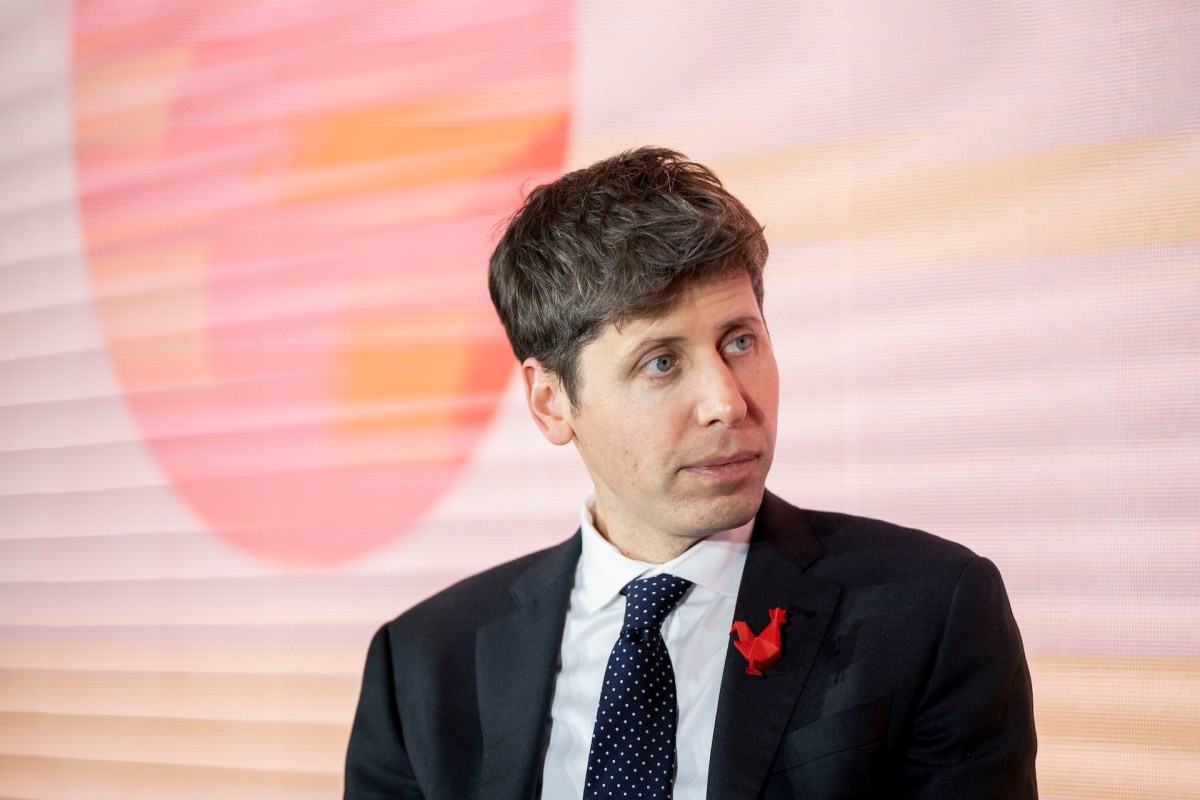
Since its founding in 2021, OpenAI Startup Fund has raised $175 million for its main fund and secured an additional $114 million through five separate special purpose vehicles, which are investment pools for specific opportunities.
Unlike many sizable tech companies, OpenAI says it doesn’t use the company’s money to invest in startups. The ChatGPT maker says its OpenAI Startup Fund is raised from outside investors. This includes participation from significant OpenAI backer Microsoft, as well as “other OpenAI partners,” according to the fund’s website.
The OpenAI Startup Fund, which is managed by a dedicated team, has so far invested in over a dozen startups, according to data providers PitchBook and Crunchbase and TechCrunch’s research.
The following companies have announced investments from the OpenAI Startup Fund, organized alphabetically.
1X: This Norwegian humanoid robot startup raised $23.5 million in a deal led by the OpenAI Startup Fund and Tiger Global in early 2023. However, OpenAI’s fund wasn’t named as a participant in the company when it announced its $100 million Series B in January.
Ambience Healthcare: This AI-powered medical note-taking startup announced a $70 million Series B in February 2024, co-led by OpenAI’s fund and Kleiner Perkins. Ambience is among a number of startups, including Abridge, Nabla, Suki, and Microsoft-owned Nuance, that are building AI medical scribes.
Anysphere (aka Cursor): In October 2023, OpenAI’s fund led the $8 million seed round into Anysphere, the maker of AI-powered coding assistant Cursor. OpenAI hasn’t been named as an investor in the company’s subsequent rounds.
Chai Discovery: This startup, which is developing an open source AI foundational model for drug discovery, raised a $30 million in seed round led by Thrive Capital and OpenAI’s fund last September. The deal valued the 6-month-old Chai Discovery at $150 million.
Class Companion: This edtech startup raised a $4 million seed round in 2023 from OpenAI’s fund and a host of angels. It helps teachers provide quick, personalized feedback to their students.
Descript: The collaborative audio and video editing platform raised $50 million in a Series C round led by OpenAI’s fund shortly after ChatGPT was introduced to the world in late 2022. Other investors in the round included Andreessen Horowitz, Redpoint Ventures, Spark Capital, and ex-Y Combinator partner Daniel Gross. Descript hasn’t reported any other capital raises since its Series C.
Figure AI: AI robotics startup Figure raised a $675 million Series B in February 2024 from Nvidia, OpenAI’s fund, Microsoft, and others. The round valued the company at $2.6 billion. Figure AI is now reportedly in talks to raise $1.5 billion at a $39.5 billion valuation.
Ghost Autonomy: This maker of autonomous driving software raised a $55 million Series E in April 2023, and OpenAI’s fund invested $5 million of that, according to PitchBook data. But the investment didn’t work out. A year later the company shut down.
Harvey AI: This legal tech startup raised a $21 million Series A in April 2023 from OpenAI’s fund and others. The fund also participated in three subsequent rounds, including last month’s $300 million Series D, which valued Harvey at $3 billion.
Heeyo: Educational AI chatbot for kids Heeyo announced that it raised $3.5 million from OpenAI’s fund, Alexa Fund, Pear VC, and other investors in August.
Kick: This company is developing AI agents that it says can “self-drive” bookkeeping processes. It raised a $9 million seed round co-led by General Catalyst and OpenAI’s fund in October.
Mem: This AI-powered note-taking startup raised a $23.5 million Series A round in November 2022, led by OpenAI’s fund. Mem hasn’t reported any subsequent funding rounds.
Milo: This startup is developing an AI-powered personal assistant that helps parents organize and keep track of their kids’ activities. Milo raised an undisclosed amount of pre-seed and seed funding from OpenAI’s fund, YC, and others.
Physical Intelligence: Foundational software for robots startup Physical Intelligence raised a $70 million seed round last March. OpenAI’s fund was part of that and also participated in the company’s $400 million Series A that valued the company at more than $2 billion. Other investors in the latest round included Lux Capital, Sequoia, and Jeff Bezos.
Speak: This AI-powered language learning app developer raised a $27 million Series B round in November 2022, led by OpenAI’s fund. In December, the fund participated in Speak’s $78 million Series C, which valued the company at $1 billion.
Thrive AI: Huffington Post founder Arianna Huffington and OpenAI Startup Fund announced last July that they teamed up on investing and building this “AI health coach” startup. Thrive AI aimed to raise $10 million, according to a regulatory filing.
Unify: This sales technology startup secured about $19 million in seed and Series A capital from the OpenAI Startup Fund, Thrive Capital, and Emergence.
Tech
Revolut eyes valuation of up to $200B in eventual IPO

British neobank Revolut seems to be eyeing a major valuation bump when it eventually goes public. The company is targeting a market cap between $150 billion and $200 billion in an initial public offering, the Financial Times reported on Tuesday, citing anonymous investor sources.
The fintech giant, which secured a full banking license in the United Kingdom in March after years of waiting, was most recently valued at $75 billion, up from $45 billion in 2024, in a secondary share sale that made it one of Europe’s most valuable private tech companies.
Revolut’s co-founder and CEO, Nik Storonsky, last week said that the company’s IPO was at least “two years away,” according to Bloomberg.
According to PitchBook and the Financial Times, the company is working on another secondary share sale, scheduled for the second half of 2026, that would value it at more than $100 billion.
As of November 2025, the company had raised a total of $5.89 billion, according to PitchBook. Revolut reported revenue of $6 billion in the financial year ended December 31, 2025, up from $4 billion in 2024. The company’s net profit grew to $1.7 billion, up from $1 billion in 2024, and counted 68.3 million retail customers at the end of 2025.
Revolut declined to comment.
Founded in 2015, Revolut offers a range of services spanning multi-currency accounts, payment and transfer services, crypto products, insurance, and more. The neobank has been pouring truckloads of cash into expanding its operations internationally, and recently applied for a banking license in the United States.
Besides the U.K., Revolut has a banking license in the European Union, and it operates in Australia, Japan, New Zealand, Singapore, Brazil, and the U.S. Revolut launched operations in India last October, is about to start operating in Colombia this year, and has received a banking license in Mexico.
When you purchase through links in our articles, we may earn a small commission. This doesn’t affect our editorial independence.
Tech
Amazon taps Sweden’s Einride for its electric big rigs
Einride is adding 75 of its electric heavy duty trucks to Amazon’s Relay freight network as part of a deal that gives the Swedish startup a toehold in the e-commerce giant’s operations. Einride will also provide charging infrastructure across five locations in the United States, under the agreement announced Tuesday.
Amazon isn’t buying or operating the electric trucks. Instead, Einride will own and manage (using its own Saga AI software) the trucks, which can be used by drivers in Amazon’s Relay freight network. Relay, launched in 2017, is an app that truck drivers can use to book hauling gigs with Amazon.
Einride CEO Roozbeh Charli, who took over as chief nearly a year ago, said working with Amazon is a powerful validation of the startup’s technology and strategic vision.
“By deploying our intelligent platform within one of the world’s most sophisticated logistics networks, we are accelerating growth, while continuing to build industry-leading operational expertise,” he said in a statement.
Einride has gained attention and investment for its two-pronged approach to freight. The company has developed and now operates a fleet of about 200 heavy-duty electric trucks for companies like Heineken, PepsiCo, and Carlsberg Sweden in Europe, North America, and the UAE. It has also developed autonomous pod-like trucks, which stand out for their cab-less design.
The agreement with Amazon doesn’t include the autonomous pods.
Einride has landed this agreement at a critical time: The startup is finalizing a merger with blank-check company Legato Merger Corp. and is expected to go public soon.
Techcrunch event
San Francisco, CA
|
October 13-15, 2026
While the agreement might not carry the same weight for Amazon, which has a market cap of $2.7 trillion, it does contribute to its low-carbon goals. Amazon has said it wants to reach net-zero carbon emissions across its operations by 2040.
“This rollout is an important step forward in addressing one of the toughest challenges we face in decarbonizing our transportation network — electrifying heavy-duty trucking,” an Amazon spokesperson said in an emailed statement. “We’re excited to continue to collaborate with Einride and learn from these operations as the trucks hit the road.”
When you purchase through links in our articles, we may earn a small commission. This doesn’t affect our editorial independence.
Tech
YouTube expands its AI likeness detection technology to celebrities
YouTube is expanding its new “likeness detection” technology, which identifies AI-generated content, such as deepfakes, to people within the entertainment industry, the company announced on Tuesday.
The technology works similarly to YouTube’s existing Content ID system, which detects copyright-protected material in users’ uploaded videos, allowing rights owners to request removal or share in the video’s revenue.
Likeness detection does the same, but for simulated faces. The feature is meant to help protect creators and other public figures from having their identities used without their permission — a common problem for celebrities who find their likenesses have been used in scam advertisements.
The technology was first made available to a subset of YouTube creators in a pilot program last year before expanding more broadly to include politicians, government officials, and journalists this spring.

Now YouTube says the technology is being made available to those in the entertainment industry, including talent agencies, management companies, and the celebrities they represent. The company has support from major agencies like CAA, UTA, WME, and Untitled Management, which offered feedback on the new tool.
Use of the likeness detection tool does not require entertainers to have their own YouTube channels.
Instead, the feature scans for AI-generated content to detect visual matches of an enrolled participant’s face. Users can then choose to request removal of the video for privacy policy violations, submit a copyright removal request, or do nothing. YouTube notes that it won’t remove all content, as it permits parody and satire content under its rules.
In the future, the technology will support audio as well, the company says.
Related to this, YouTube has also been advocating for similar protections at a federal level, with its support for the NO FAKES Act in Washington, D.C. This would regulate the use of AI to create unauthorized re-creations of an individual’s voice and visual likeness.
The company hasn’t yet said how many removals of AI deepfakes have been managed by the tool so far, but noted in March that the amount of removals was still “very small.”
When you purchase through links in our articles, we may earn a small commission. This doesn’t affect our editorial independence.

The new Dyson Supersonic Travel is the cheapest Supersonic yet
The gorgeous yet budget-friendly Samsung QN70F Neo QLED TV is the cheapest its ever been


