Entertainment
New Star Wars Movie Failed By Solving Marvel’s Biggest Problem
By Chris Snellgrove
| Published


Right now, it’s fair to say that Disney is a victim of its own success. The House of Mouse decided to get into the streaming game with Disney+, and they made this new platform the home of all things Marvel and Star Wars. They succeeded in containing the world’s two biggest intellectual properties under one roof, but this came at a cost. The MCU began to suffer under its own weight, and fans began to resent many of the new shows on Disney+. The most common complaint is that most of these series felt like annoying “homework” they had to watch just to understand the next big Marvel movie.
Is that criticism fair? That’s debatable. While some Marvel shows on Disney+ stand alone, some are basically required viewing if you want to follow along with the newest films. However, when watching The Mandalorian and Grogu, I couldn’t help but feel like movie writer Dave Filoni was trying to avoid comparisons to Marvel by creating a movie that required no homework whatsoever. He succeeded in making a movie that fans could enjoy even if they’ve ignored Star Wars for the last two decades. This approach backfired, though. While the latest Star Wars is amazingly accessible, it’s so disconnected from the franchise that it feels completely meaningless.
Way Too Much Homework
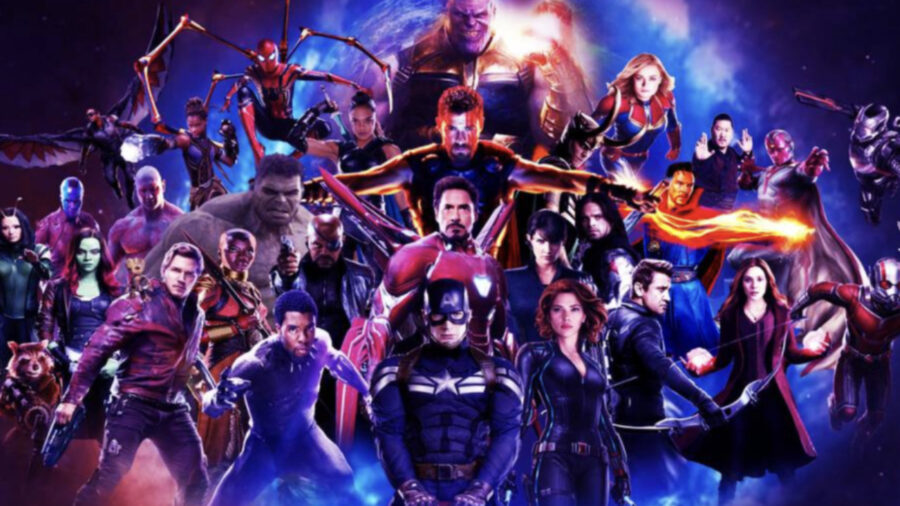
Complaints about Marvel TV shows feeling like homework are tied to broader debates about what, exactly, a movie should be. Many like the idea of a film as being a self-contained unit of entertainment unto itself. This is one (admittedly, of many) problem that certain Star Wars fans had with the Prequel Trilogy and the Sequel Trilogy: interesting characters like Count Dooku and Snoke are placed onscreen with no real introduction or fanfare. The assumption made by those in charge of Star Wars (George Lucas and, later, Disney) is that fans could simply get these characters’ backstories in various books and comics and didn’t need to see it onscreen.
The Marvel Cinematic Universe took this idea and made it much, much worse. You had to watch entire films (like the solo Iron Man, Thor, and Captain America movies) to really understand big team-ups like The Avengers. Later, Disney+ became home to shows you had to watch ahead of movies. Doctor Strange and the Multiverse of Madness makes no sense without watching WandaVision, for example, and The Marvels makes no sense without watching Ms. Marvel. This led to widespread fan complaints that Disney had basically assigned homework and that we’d need to watch eight hours of a TV show just to understand a movie.
No Homework (And No Meaning)

Initially, this wasn’t really a problem with Star Wars because The Rise of Skywalker was so bad that we went seven years before seeing a new film in the franchise. That meant that various Disney+ shows in a galaxy far, far away could mostly stand on their own. But The Mandalorian and Grogu finally brought Star Wars back to theaters, and we’ll be getting more franchise films (like Starfighter) in the coming years. Mandalorian and Grogu writer and new Lucasfilm President Dave Filoni seemingly tried to avoid the homework problem by making a movie that requires almost no prior Star Wars viewing whatsoever, a decision that became something of a double-edged sword.
On one hand, Filoni made The Mandalorian and Grogu the most accessible Star Wars film since A New Hope. If someone only vaguely remembers an episode or two of The Mandalorian Season 1, they can follow along. They know the title characters, and Din Djarin even gets a new version of his old ship back. Even if you’re a Star Wars fan who never watched the show at all, it’s easy to follow along with the plot. The Boba Fett-looking man and his Baby Yoda sidekick are the good guys, the Stormtroopers are the bad guys, and all you have to do is turn your brain off and watch.
Two Hours Of Your Life You’ll Never Get Back
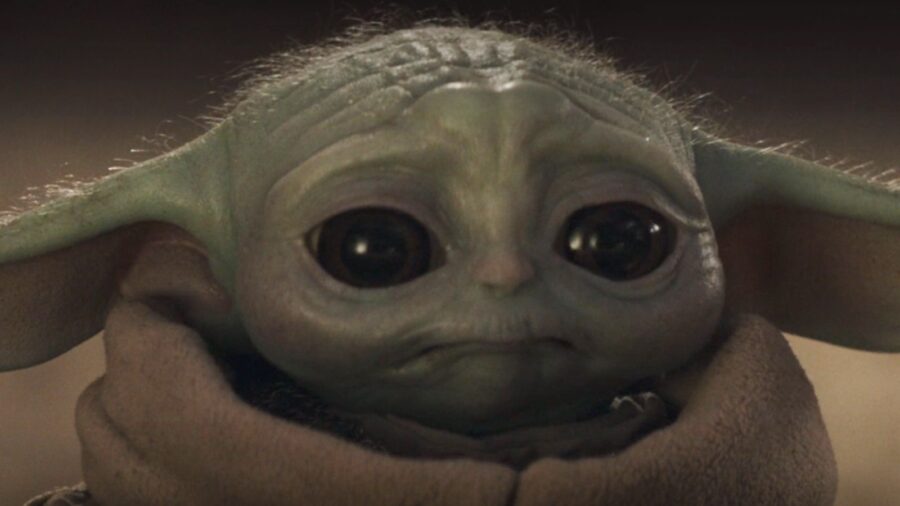
On the other hand, Filoni’s ultra-accessible writing is a big part of why The Mandalorian and Grogu failed. The movie doesn’t touch on or resolve any of the major plot points from The Mandalorian or advance Din Djarin or Grogu’s characters in any meaningful way. It’s such a disposable plot that if The Mandalorian ever gets a Season 4, you could skip the film entirely before watching the new season. If the show doesn’t get another season, though, this movie is the worst kind of finale for these characters because there are no significant payoffs to ongoing mysteries like Grogu’s past or Din Djarin’s future with the Mandalorians and the New Republic.
All of this underscores how cynical The Mandalorian and Grogu really is. Disney didn’t create this movie to provide an emotionally rewarding sendoff, and they obviously didn’t make it because the writers had a great story to tell. No, the House of Mouse just wanted to put Star Wars back in theaters with a film that would wash The Rise of Skywalker out of our mouths. The idea is to prime audiences for more Star Wars films in the coming years, but the effort backfired. If this is the best thing you can put onscreen today, why would anyone spend good money to see the crap you put onscreen tomorrow?
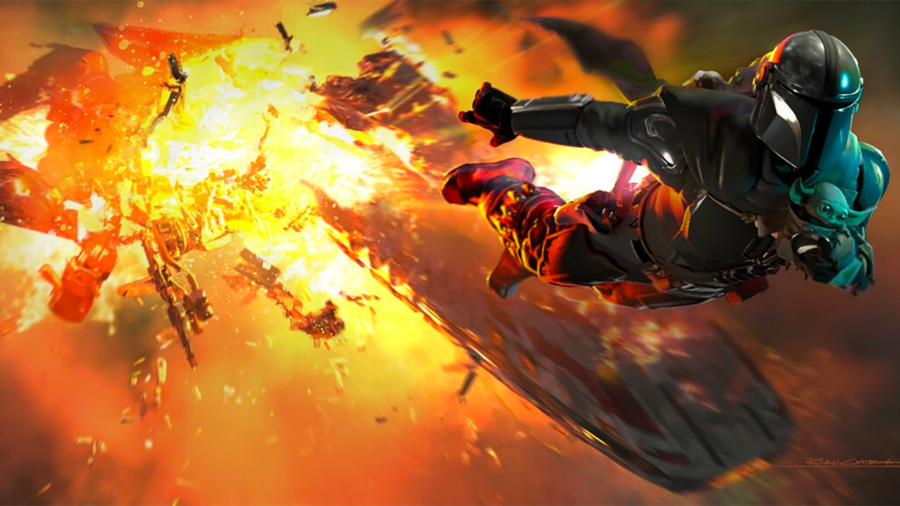
So, congrats, Dave Filoni (and cowriters Jon Favreau and Noah Kloor): you played yourself. You solved the homework problem that has plagued Marvel by creating the most accessible Star Wars film in half a century. But the result is a disconnected mess, one that pisses off fans of The Mandalorian while making everyone else wonder why this film was even made. At least failures like the prequels and the sequels were trying to tell a meaningful and impactful story. All that The Mandalorian and Grogu is telling us is that Yoda’s admonition of Count Dooku applies very much to Clone Wars showrunner Filoni: “much to learn, you still have.”