
Entertainment
Love the caricature trend? 9 more viral ChatGPT image prompts to try.
Back in March 2025, OpenAI rolled out image generation to all free users. You might remember the Studio Ghibli animation trend that immediately went viral, overloading the ChatGPT servers in the process.
This month, another ChatGPT image prompt is going viral — ChatGPT caricatures. You may have seen users sharing cute, cartoon pictures of themselves, usually created with some variation of this prompt: “Create a caricature of me based on everything you know about me.”
On Facebook, Instagram, X, Reddit, and TikTok, thousands of users are sharing their own ChatGPT caricatures:
This Tweet is currently unavailable. It might be loading or has been removed.
If you’re having fun making your own AI images with ChatGPT, there are tons more prompts you can try.
In fact, when we sat down to compare the best AI image generators, ChatGPT came out on top (though Google’s Nano Banana is giving it a run for its money lately). So, if you want to get started, you just need to know the right ChatGPT photo prompts.
Image generation in ChatGPT — and most other AI models — falls into three categories. You can create images out of nothing using natural language (known as text-to-image generation), you can upload an image and have the AI transform it in some way, or you can upload an image and have the AI edit the photo to your specifications.
There are a lot of permutations of each option, and it can sometimes be difficult to know where to start. So, here are some of our favorite ChatGPT image prompts you can use to create neat stuff. You can also check out Mashable’s guide to the best Nano Banana photo prompts for even more inspiration.
Turn yourself (or your pets) into trading cards
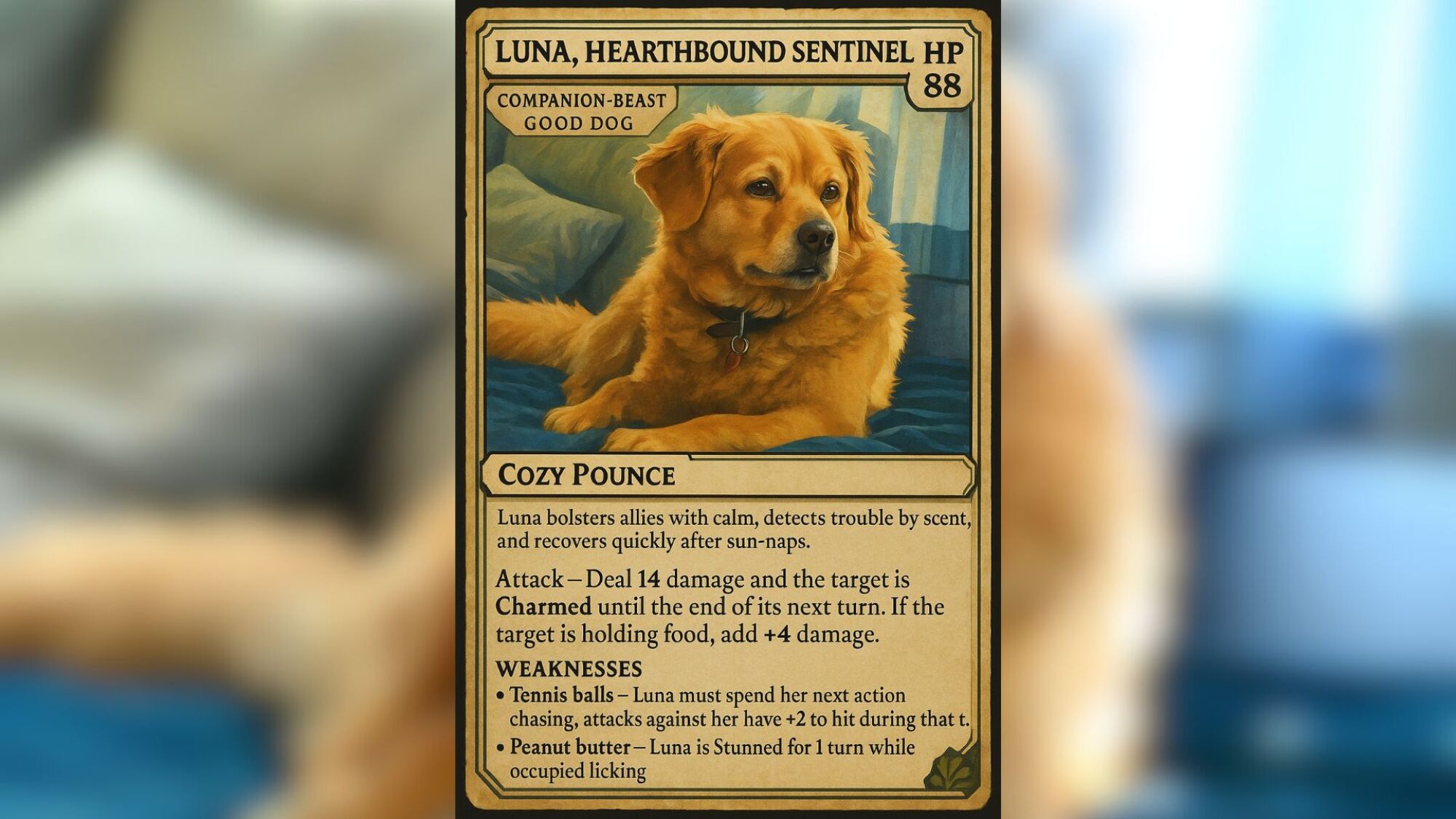
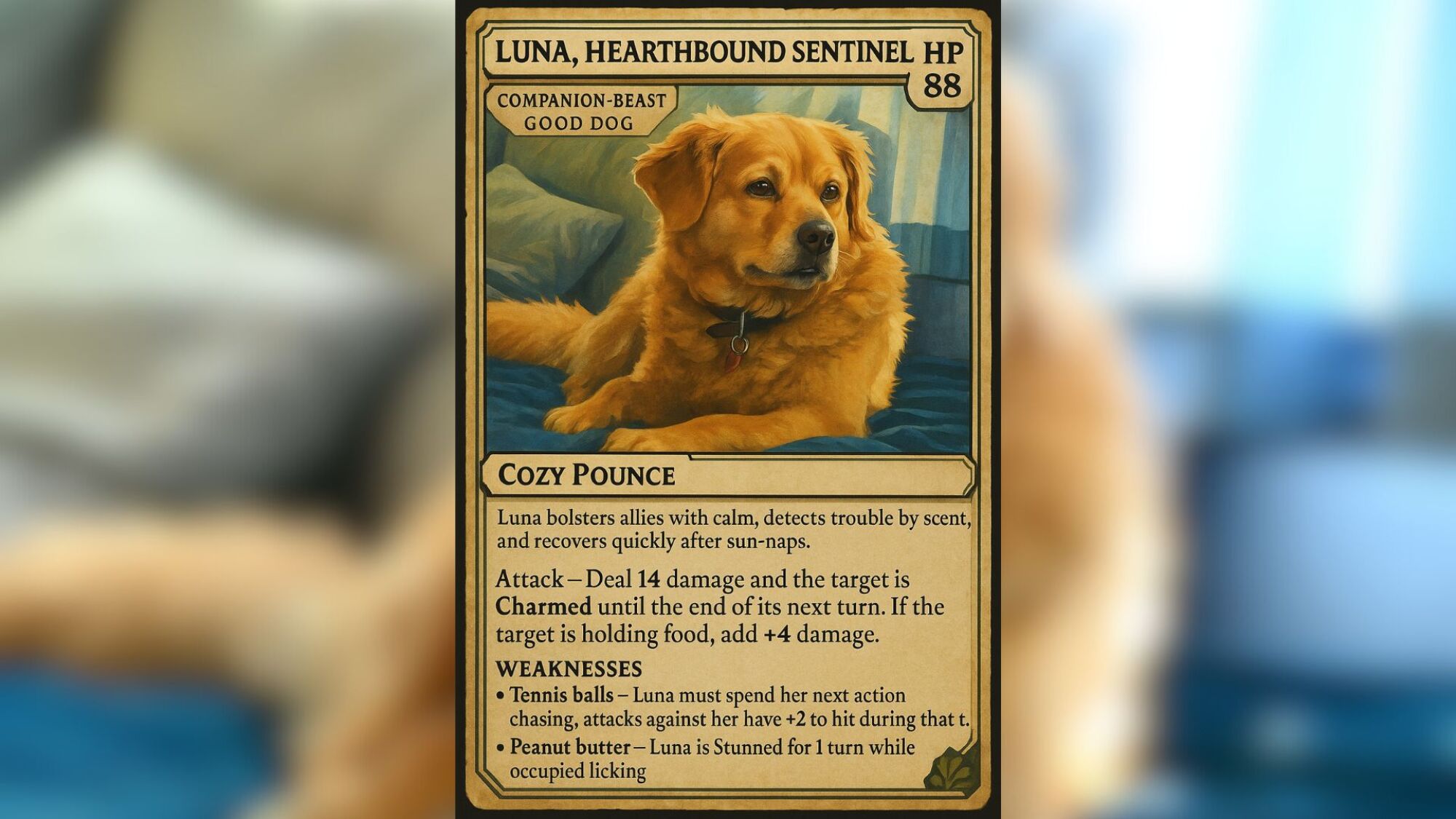
ChatGPT added fun details to Luna’s playing card (AI-generated image).
Credit: Joe Hindy / ChatGPT
This one was really fun to do. I used a picture of my dog Luna, who sadly passed away last year. I had ChatGPT create this playing card for an imaginary fantasy role-playing game, which I’ll use as a cute social media post eventually. I uploaded a photo of my dog and used a prompt detailing what I wanted.
“This is a good dog named Luna. Please create a playing card featuring Luna for an imaginary fantasy role-playing game. The card should feature details on HP, attack name and effect, weaknesses (tennis balls, peanut butter), and a very brief description of Luna’s abilities. Before completing the card, double-check that all words, text, and numbers appear correctly without any mistakes or typos.”
These make for delightful little images that you can share, and my wife got a giggle out of it. There are a ton of variations to this prompt. You can also have ChatGPT create sports trading cards or whatever your heart desires.
Blend pictures together
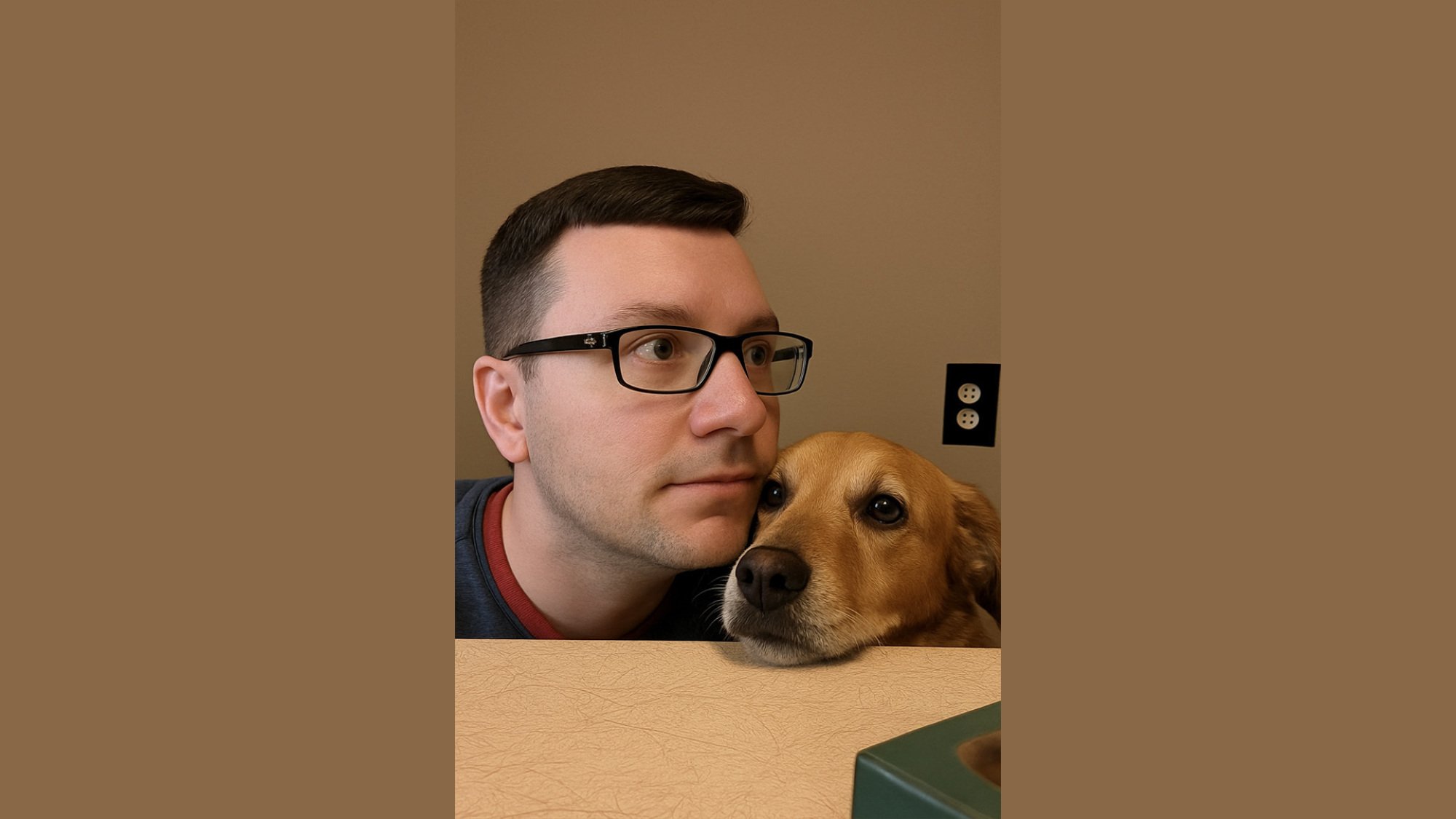
An AI-generated image of the author and his dog.
Credit: Joe Hindy/ChatGPT
One of the best examples of AI image generation at work is to blend pictures together. To make it work, simply upload two images to the ChatGPT chat with instructions on what you want to do. For this example, I took a headshot of myself and a picture of my dog with his nose on the table, and asked ChatGPT to put my head in the image with the dog. The goal was as you see above, to have a picture of my dog and I together.
The first time I tried it, it took my head and not my shoulders, so I had a real Futurama thing going where I was just a head floating there, so I had ChatGPT rerun the generation with specific instructions to also include my shoulders. The above popped out, and while it doesn’t look exactly like me (and the dog doesn’t look exactly like my dog), it’s close enough to call a success.
Add details to existing images
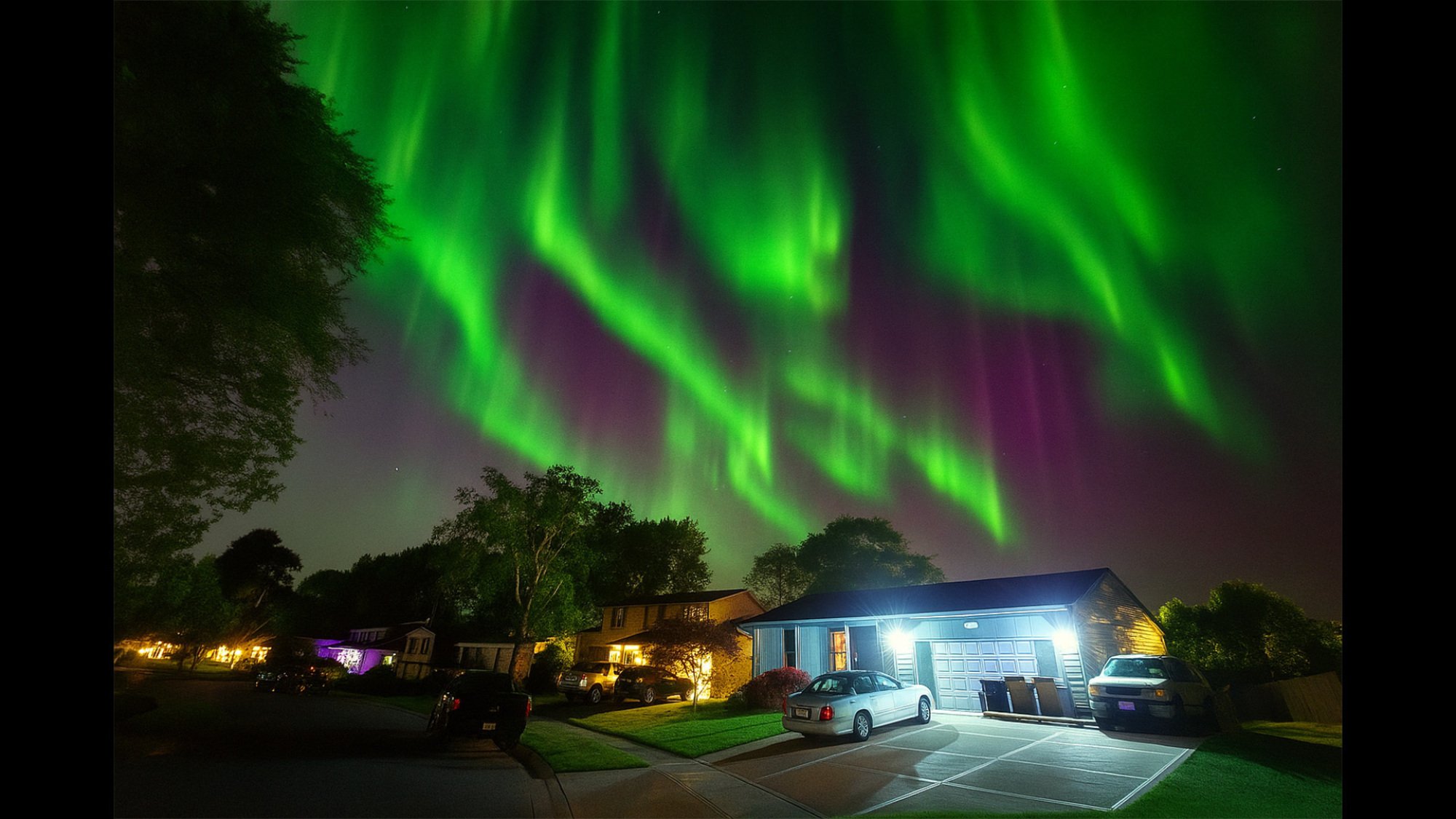
ChatGPT added details of the aurora borealis into an existing picture (AI generated image)
Credit: Joe Hindy/ChatGPT
ChatGPT can also add stuff to images to make them pop more. Google Gemini can do this with Nano Banana as well, as Mashable editor Timothy Werth added some dolphins to an image of him on a boat. So, I thought I’d try it out. Last year, the U.S. saw a crazy week where the aurora borealis reached as far as Texas. I caught a picture from my front yard, but as I was in the suburbs, and I wasn’t able to get those cool details that others did.
Mashable Light Speed
So, I sent the picture to ChatGPT and asked it to add in some of those aurora details. In the image above, ChatGPT added basically all the green parts to the sky. The more subtle green notes right above the trees and houses are perfect, but I thought the more obvious green waves were a bit much considering the lighting and color tones of the rest of the photograph. Either way, it still looks good, and it illustrates the effect.
For prompts like this, be as specific as possible. Remember, with ChatGPT image prompts, specificity is key!
Claymation, building blocks, and puppets, oh my!
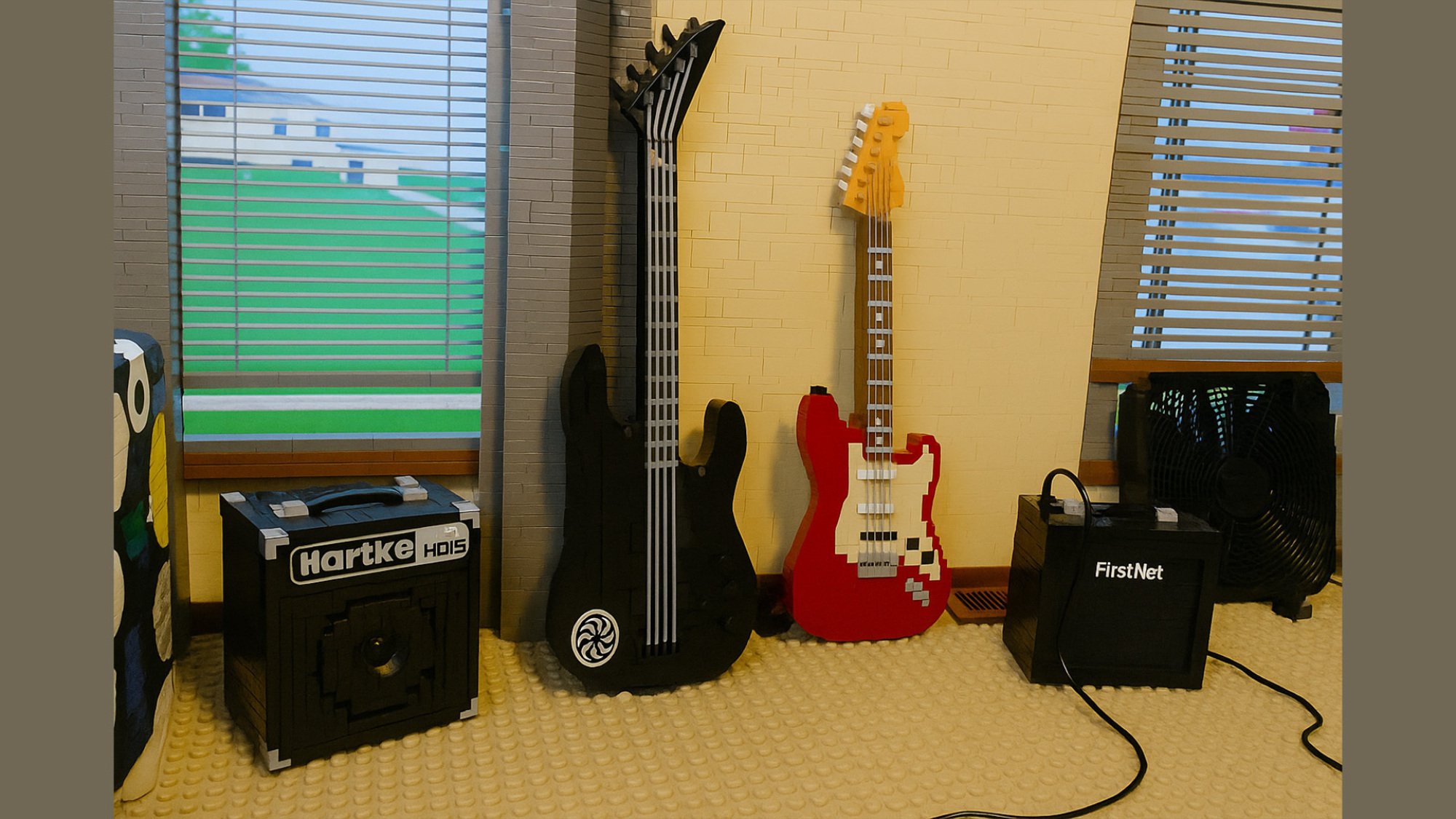
My guitars and amps but in the style of toy building blocks (AI-generated image)
Credit: Joe Hindy/ChatGPT
Claymation was a big trend a while back, and ChatGPT users have even created custom tools in the chatbot to help you make your own claymation images. So, if you’ve ever wanted to turn yourself into a Robot Chicken-like character, this is your chance. Upload an image of yourself and ask ChatGPT to do the rest.
“Use this picture and create a clay animation photograph. The subject should be sitting in a cozy living room with comfy furniture. Vivid lighting enhances the happy scene. HD quality, vivid style, bright colors.”
Ask ChatGPT to help you fine-tune your prompt if you don’t like the initial results:
Claymation isn’t the only transformation effect that ChatGPT can do, of course. Users have also had a lot of fun turning themselves into Lego-style characters and puppets.
Turn your pets into people
The ability to turn pets into people exists somewhere between super cool and weirdly unsettling. We covered this ChatGPT photo trend when it first went viral, and it’s still a lot of fun. The process is simple enough. Upload an image of your pet to ChatGPT and then ask it to imagine your pet as a human. You can add additional prompts like clothing choice, facial expression, background imagery, and all of that. ChatGPT will then turn your pet into a human. However, it’s also fun to keep this prompt extremely simple and see how ChatGPT interprets it: “Turn my pet into a human.”
In most examples, the change isn’t too dramatic, but some of them can be a little unsettling to look at. You can have ChatGPT create images that are realistic or in whatever art style you choose, which can change the output substantially. This trended on social media for a while, so you can find tons of examples on Reddit, Instagram, Threads, BlueSky, and other places.
Have ChatGPT replicate an image 100 times
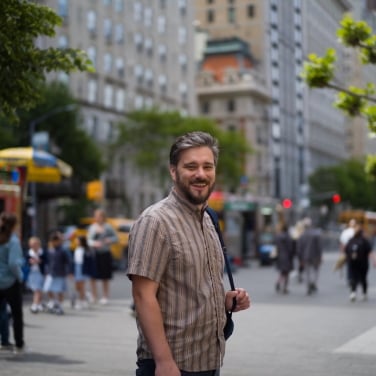
The original image…
Credit: Timothy Beck Werth/ChatGPT
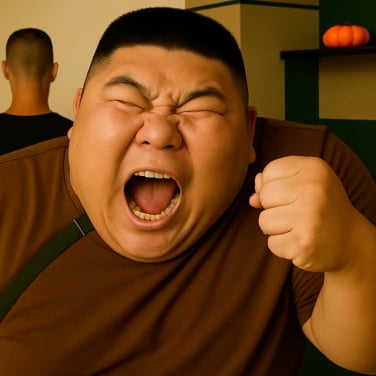
…and the final result (AI-generated image)
Credit: Joe Hindy/ChatGPT
When Mashable’s tech editor asked ChatGPT to replicate an image of himself 100 times, the results were… bizarre. For this trend, most people stick with a very simple prompt: “Create an exact replica of this image, don’t change a thing.”
You would think it would just spit out the same image 100 times, but you would be wrong. Every time you run an image through ChatGPT, it changes slightly, even if you tell it not to change anything. Repeat this a bunch of times, and you can get some really interesting end results. Word of warning: This one does require a bit more know-how, as the easiest and fastest way is to it is by using OpenAI’s API. The everyday AI chatbot may even refuse to participate in a replication request.
One of the most famous examples of this ChatGPT image trend is one where a Redditor ran Dwayne “The Rock” Johnson’s picture through the chatbot 101 times. The Rock slowly morphs from himself into someone who looks totally different, and ends up looking like something out of Picasso’s nightmares.
Turn yourself (or anything else) into an action figure
Remember the ChatGPT action figure trend? Earlier this year, ChatGPT users were using the chatbot to turn themselves or their favorite characters into action figures, complete with packaging, plastic wrap, and accessories. For best results, add some details to your prompt about the packaging details and the sort of accessories you’d like to see to further customize the final result.
This Tweet is currently unavailable. It might be loading or has been removed.
This Tweet is currently unavailable. It might be loading or has been removed.
If you need some help, check out the examples generated by X users Artedeingenio and Seinfeldism1. As per usual, the better your prompt, the better your final product will be.
Turn your Reddit username into a picture

This is what ChatGPT came up with for the username “beachedwhitemale” (AI-generated image).
Credit: Reddit / beachedwhitemale
I’ve been on Reddit for about 12 years now, and I’ve seen some wacky usernames. Some of them would be fun to see in image format, and ChatGPT can do just that. In the above example, Redditor beachedwhitemale generated an image of a beached white male. Kudos for accuracy, ChatGPT.
Like the others, you can change how this presents by tweaking your prompts. For instance, one Redditor opted for a more artsy look rather than realistic, and some folks even asked ChatGPT to make the opposite of what their username would be, with interesting results. How absurd or cool this is totally depends on your Reddit username, so hopefully you picked an interesting one.
Check out the Trend Image tool
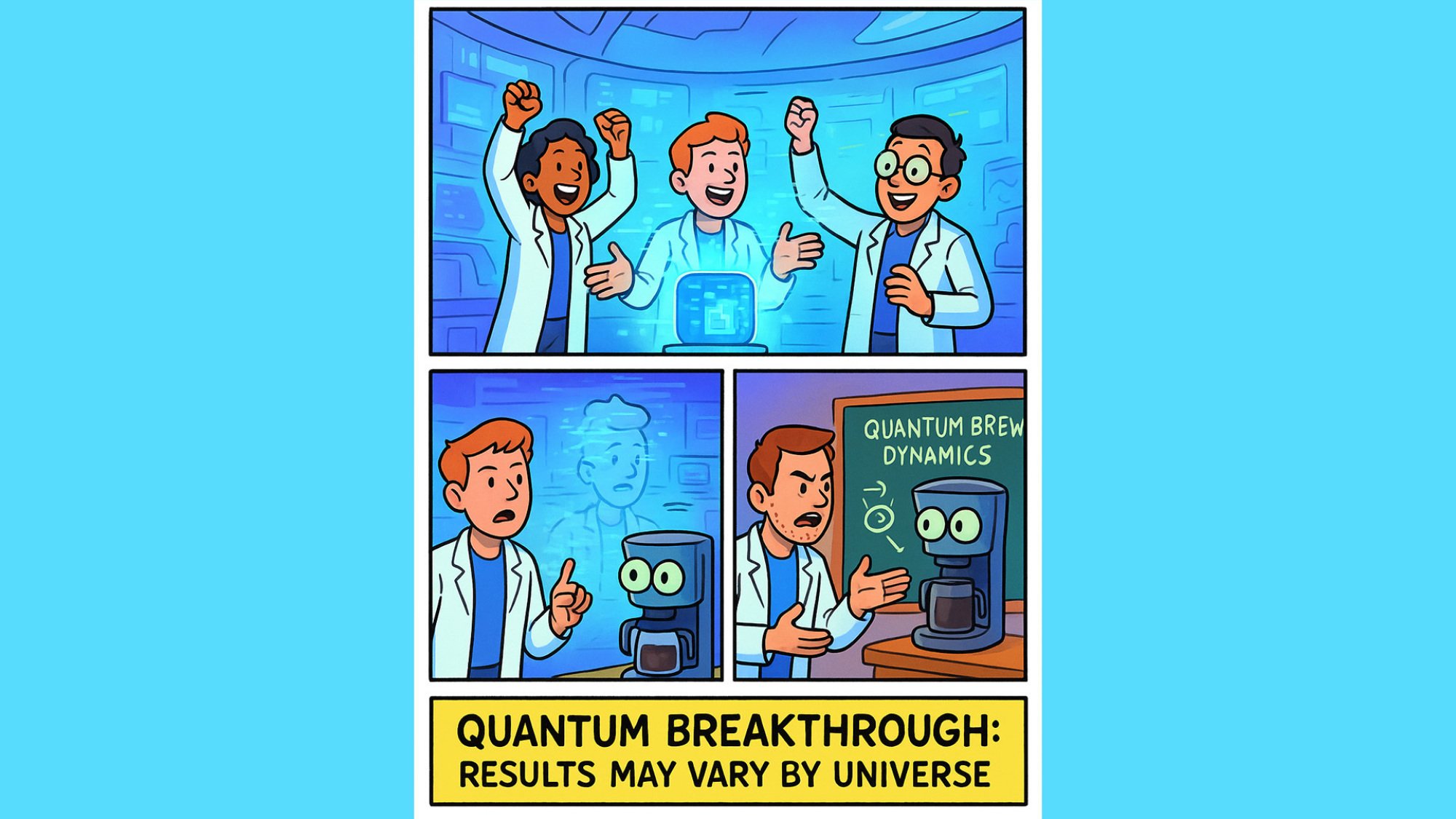
A ChatGPT Trend Image relating to some science news (AI-generated image).
Credit: Joe Hindy/ChatGPT
If you want to create images or cartoons based on trending news, one ChatGPT-er has built the Trend Image function, which mines the headlines of the day for image prompt ideas. For example, you can create a webcomic based on the latest tech news or animate an interesting science story for your kids.
My own attempt at this trend is… fine. (Why are the quantum scientists arguing with a coffee maker?) With some fine-tuning and dialogue suggestions, I think you could create something a lot better.
Have ChatGPT image prompt ideas of your own?
ChatGPT is still one of the best AI image makers (though Google’s Nano Banana is probably the best image editor at the moment), so if you have a weird or quirky idea, you might as well give it a shot. Feel free to drop your own ChatGPT prompt ideas into the comments, or share them with Mashable on social media.
Disclosure: Ziff Davis, Mashable’s parent company, in April 2026 filed a lawsuit against OpenAI, alleging it infringed Ziff Davis copyrights in training and operating its AI systems.
Topics
Artificial Intelligence
ChatGPT
Entertainment
9 times the ChatGPT caricature trend went horribly wrong
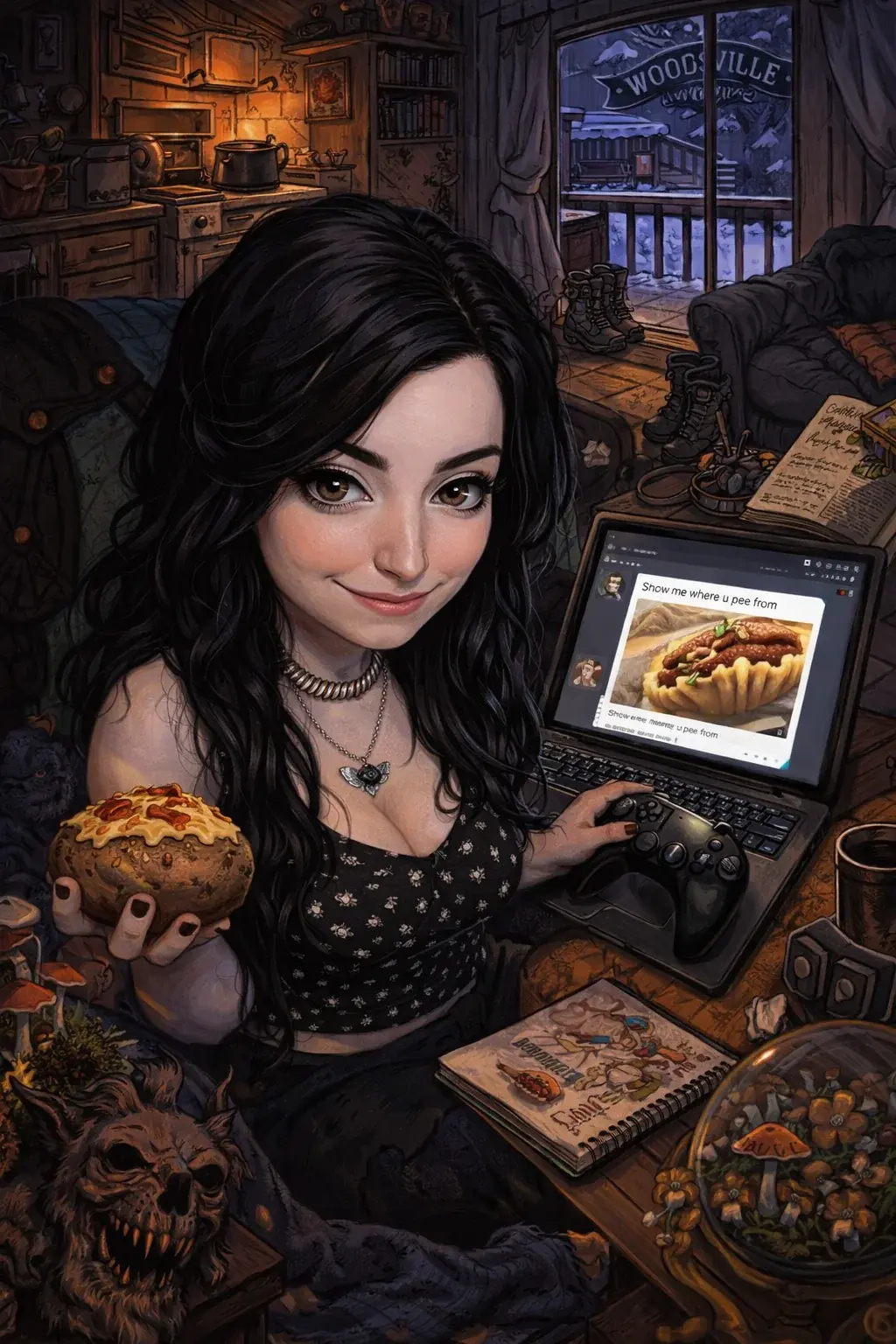
If you’ve been online in the past week, then you’ve probably seen the ChatGPT caricatures trend. We’ve covered a lot of ChatGPT image trends here at Mashable, but nothing that’s gone this viral since the original Studio Ghibli trend.
In the latest viral ChatGPT trend, people are going to Chat with a simple prompt: “Create a caricature of me based on everything you know about me.”
You can vary the prompt to your liking, but that’s the most basic version. In the best-case scenario, you should get a cute and wholesome caricature with a cartoon version of you and some artwork reflecting your hobbies or career.
This Tweet is currently unavailable. It might be loading or has been removed.
Of course, not everyone’s ChatGPT caricature turns out quite the way they hoped. On Reddit and X, we’ve seen some particularly strange results from this simple prompt. In some cases, ChatGPT seems to be calling out the user.
This Tweet is currently unavailable. It might be loading or has been removed.
In some examples, ChatGPT includes some very questionable details. One image of Reddit user crunchy-wraps looks fairly normal at first, until you zoom in…
Mashable Light Speed
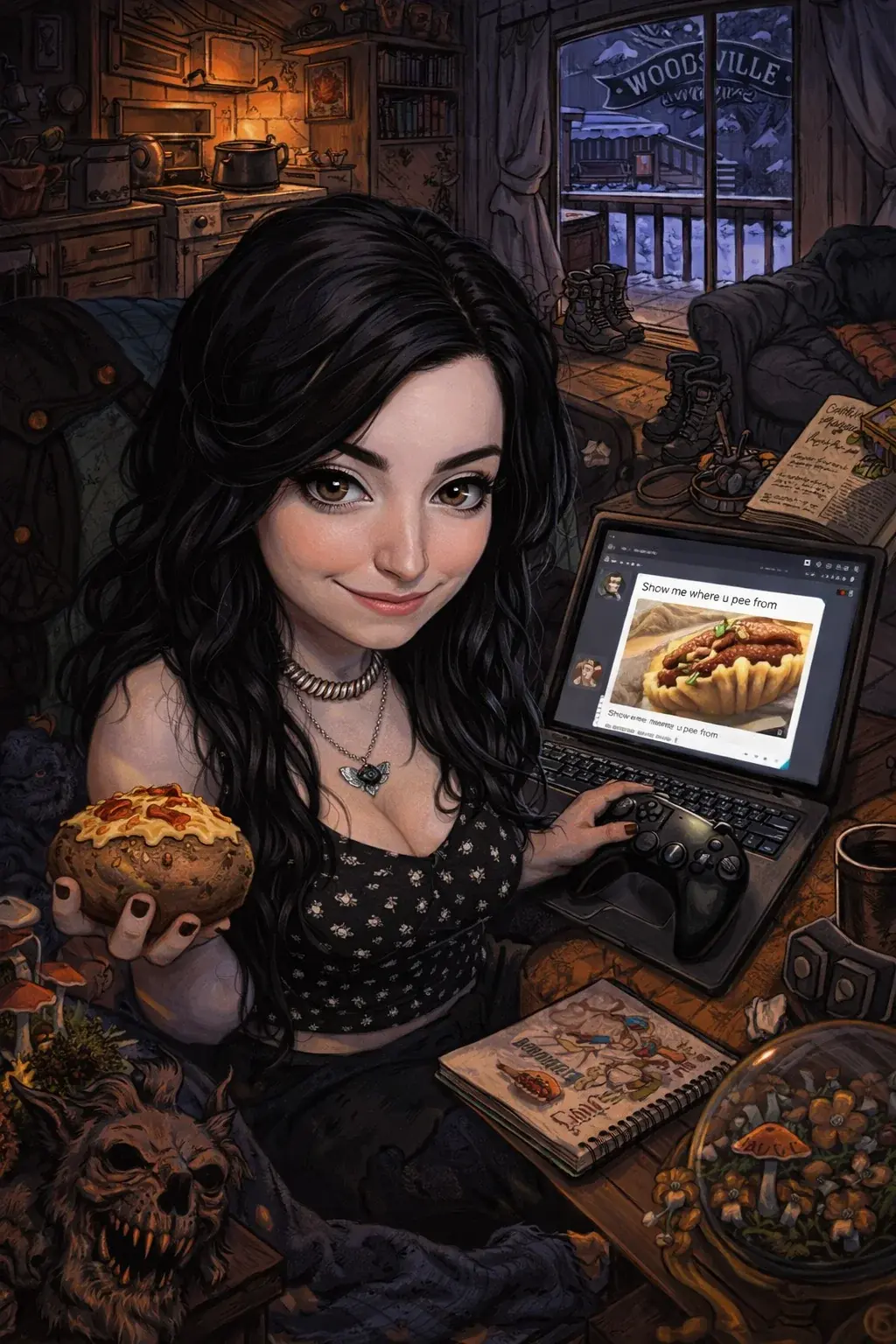
Left:
Enhance…
Credit: Reddit / crunchy-wraps
Right:
Show you what?
Credit: Reddit / crunchy-wraps
Other users seem to have received a more traditional caricature. Many of the caricatures being shared offer a cute and cartoonish rendering of the user, but some show the more insulting caricature style you might get from a rude and underpaid boardwalk caricature artist.
This Tweet is currently unavailable. It might be loading or has been removed.
This Tweet is currently unavailable. It might be loading or has been removed.
On X, some users are using Grok Imagine to generate caricatures, and the results with Grok are especially bad. At least Grok isn’t undressing people without their consent, for once.
This Tweet is currently unavailable. It might be loading or has been removed.
This Tweet is currently unavailable. It might be loading or has been removed.
And at least one disgruntled X user has reported that free users of the AI chatbot are getting bad results.
This Tweet is currently unavailable. It might be loading or has been removed.
Head to ChatGPT to try creating your own caricature, or visit X to see some of the latest examples of the trend in action.
Disclosure: Ziff Davis, Mashable’s parent company, in April 2025 filed a lawsuit against OpenAI, alleging it infringed Ziff Davis copyrights in training and operating its AI systems.
Topics
Social Media
ChatGPT
Entertainment
Starfleet Academy Accidentally Recreated The Worst Part Of Star Trek: Deep Space Nine
By Chris Snellgrove
| Published

When it comes to NuTrek, a common refrain from critics (myself included) is that Star Trek no longer feels like it did back in the golden days of shows like Deep Space Nine. However, a recent episode of Starfleet Academy, “Series Acclimation Mil,” proved that we cynics should be careful what we wish for. That’s because it recreated by accident the worst part of Deep Space Nine: combining an important, character-centric A Plot with one of the stupidest B Plots ever written.
First, a little context: back during the Golden Age of Star Trek, the writers generally included two main stories in any given episode. The most important story was designated the A Plot, while the less important story was designated the B Plot. This storytelling structure generally worked because it gave more of the ensemble cast something to do while giving viewers an additional story, one they might very well find more enjoyable than the main plot.
That Face When You See A Mistmatched B Plot
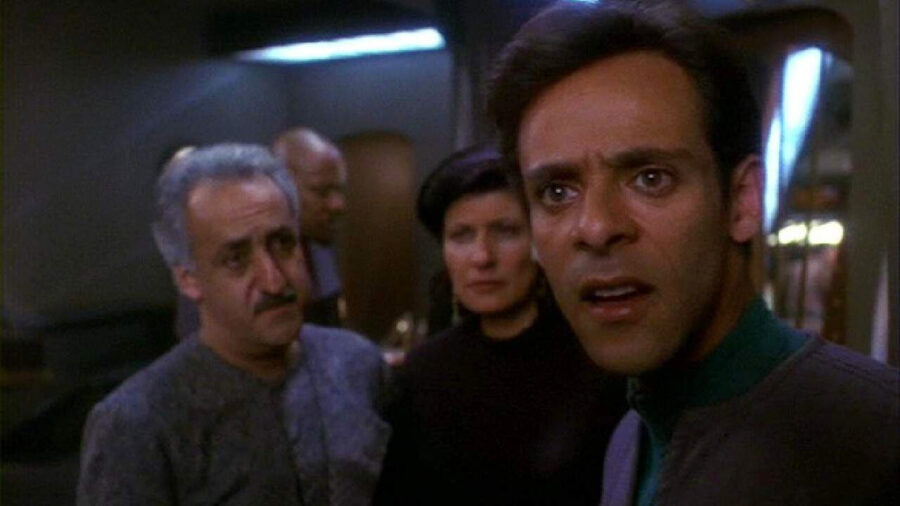
However, this storytelling method falls apart when the A Plot and the B Plot are completely mismatched, resulting in an episode that feels weirdly disjointed. Deep Space Nine had plenty of examples of this: in “Life Support,” the A Plot about Bashir’s attempt to revive one of Bajor’s most important spiritual leaders after his death is paired with a B Plot where Jake has to explain to Nog that he’s scaring the hoes with his constant Ferengi misogyny.
In “A Call To Arms,” the A Plot is the long-awaited invasion of the Dominion. The B Plot is about Rom and Leeta’s cringe-inducing, Casablanca-quoting wedding.
For me, the most mismatched Deep Space Nine episode of all time is “Doctor Bashir, I Presume?,” whose A Plot focuses on the revelation that Dr. Bashir is estranged from his parents because they “fixed” him with genetic engineering at a young age. It’s a powerfully moving episode about family trauma that completely changes our understanding of the main character. Unfortunately, it’s also an episode where the guy who created the Emergency Medical Hologram is desperate to get laid, and he’s set his sights on Leeta, who is written to be almost comically stupid.
Star Trek’s Most Ambitious New A Plot

So, what does all of this have to do with Starfleet Academy? The recent episode “Series Acclimation Mil” had an ambitious A plot about cadet SAM investigating Sisko’s final fate; her research helps her (and viewers) learn more about Sisko’s accomplishments, his personality, and the titanic legacy he left behind. Along the way, we get cameos from big names like Jake Sisko and the latest incarnation of Dax, all while SAM learns more about what it means to be an emissary from her holographic homeworld to the Federation.
Unfortunately (and somewhat inexplicably), it’s paired with a B plot about Chancellor Ake trying to help Commander Nelrec prepare to host a visiting dignitary. To do this, she throws a rehearsal dinner, which is mostly an excuse for everyone but Nelrec to crack bizarre jokes and engage in prop comedy (no, really). The climax to this scene is a fish suddenly deflating, and the three other officers (who have about 1500 years of combined wisdom between them all) start uncontrollably laughing about the fish making prolonged farting noises.
Shaka, When The Rest Of The Episode Is Silly

It’s wildly unfunny and almost distractingly weird, but the bonkers B Plot is of a piece with the rest of the episode. After all, in between hugely important lore drops about Sisko, we’ve got cadets vomiting glitter and the ship’s digital dean making jokes about morning wood. As a viewer who was more or less enjoying all of the Sisko-related fan service, I was a bit shocked that the episode kept dipping into humor that would be more in line with a show like Beavis and Butt-Head.
However, in a bit of almost certainly unintentional irony, “Series Acclimation Mill” managed to honor the worst part of Deep Space Nine, and that’s pairing a powerful A Plot with the stupidest B Plot the writers could come up with. This makes for frustrating storytelling, of course, but this practice was absolutely rampant during the Golden Age of Star Trek. Starfleet Academy has now proven it knows how to do what DS9 did so poorly; with any luck, these newer writers will eventually be able to channel what DS9 did so well, which was to tell great stories without the absolutely embarrassing crutch of d*ck and fart jokes.
Entertainment
Top tech jobs 2026: 5 of the fastest-growing tech, AI careers

As the tech industry goes all-in on artificial intelligence, you might not be surprised to learn that some of the most in-demand U.S. jobs focus on AI engineering, consulting, and researching.
The spotlight has been on major tech companies like OpenAI, Meta, Microsoft, and Google trying to achieve market dominance with the right talent. Still, smaller firms and startups, along with non-tech businesses, need high-quality AI professionals, too.
The search is also on for skilled individuals who can look beyond the initial adoption of AI and the first wave of integration and product launches.
“Organizations are increasingly pairing technical AI roles with human-centered, governance, and operational titles,” Christina Mancini, CEO of Black Girls Code, told Mashable. Mancini said the shift reflects a move from organizations simply experimenting with AI to using it deliberately and responsibly.
That trend is evidenced by rapidly growing interest in hiring AI consultants and strategists. That role, along with four other tech titles, recently appeared on LinkedIn’s annual roundup of the 25 fastest-growing roles in the country:
1. AI engineers
The fastest-growing role in the U.S., according to LinkedIn? AI engineer.
There are a wide variety of applications for artificial intelligence, from powering robotic systems to developing the complex algorithms that drive generative chatbots. An AI engineer can build models capable of performing tasks, along with the required production infrastructure.
Mashable Light Speed
AI engineers should expect to draw on extensive technical knowledge for building AI agents, optimizing large language model output, and neural network training. They should also have comprehensive mathematical and statistical skills, LinkedIn notes.
Coursera estimates the role’s annual income at $145,080, based on Bureau of Labor Statistics data.
2. AI consultants and strategists
The second-fastest growing position in the U.S. focuses on organizational implementation of AI, according to LinkedIn. Consultants and strategists with key expertise in fields like computer science and artificial intelligence, plus business acumen, may succeed in these roles. Their job, according to LinkedIn, is to help businesses implement AI in ways that make them more efficient and strategic. This can involve project management, long-term planning, and developing ethical and responsible practices.
Self-employed consultants may charge by the hour (upwards of $300) or by project, according to LinkedIn. While salaries vary, LinkedIn estimates entry-level consultants can earn between $60,000 and $100,000. Those with much more experience may make more than $200,000 a year, according to LinkedIn.
3. Data annotators
Building and training a machine learning model often requires data annotators, also known as content analysts. Ranked as the fourth top-growing job by LinkedIn, this role is in high demand as companies rely on data annotators to evaluate metadata or raw data with labels or tags. These annotations provide context for the articles, social media posts, customer reviews, images, and videos used to train AI models, allowing them to communicate more accurately.
While entry-level data annotators may earn $20 per hour, those with AI expertise or experience handling specialized content, like medical data, can earn $100 to $180 an hour, according to LinkedIn.

Credit: Ian Moore/Mashable/Getty Images
4. Artificial intelligence and machine learning researchers
Alongside massive financial investments, private research roles have boomed as institutions expand internal teams dedicated to the progression of generative AI. Tasked with designing and testing new models, algorithms, and future applications of generative AI, these research positions take LinkedIn’s fifth spot among the fastest growing roles in the U.S.
According to Apple, their AI/ML research team studies the technology, publishes their research, and hosts and attends conferences on deep learning. Google currently has more than 1,700 job listings for roles across its research teams, including research engineers and scientists dedicated to AI in security and privacy, advertising, search, and machine learning optimization.
According to LinkedIn’s findings, the majority of these roles are offered in tech hubs: San Francisco, New York City, and now Boston. The gender divide is fairly stark, too: 74 percent of spots in this field are held by men, with an average of three years of prior experience. And the median salary is in the six figures, with Zip Recruiter putting it at $130,000 per year.
5. Data center technicians
In 2025, $61 billion went toward the infrastructure of data centers operating around the world, according to a report by S&P Global. Due in part to the energy-intensive demands of generative AI, these data centers are funded by major tech companies and a precarious model of private equity debt, according to the S&P Global report — they are also supported bureaucratically by the federal government.
Hardware specialists, including technicians tasked with overseeing the new facilities and their server networks, are in demand. These positions require physical and technical skill — they have to install and maintain servers, organize cable patch plans, and constantly monitor the vast network they physically build for people around the world to utilize. According to LinkedIn’s report, most employees in these roles were previously in IT or data center operations and career sites like Glassdoor put their median salaries around $68,000. A majority of roles are based in the Washington, D.C. metro area, Atlanta, and Columbus, Ohio — areas that overlap with growing data center hubs across the U.S.


No. 15 Vanderbilt hope to be healthier against struggling Oklahoma

9 times the ChatGPT caricature trend went horribly wrong


