
Entertainment
Joss Whedon’s Cancellation Still Makes No Sense, Unless It's An Attack On You

By Joshua Tyler
| Updated

The first twenty years of the 2000s belonged to Joss Whedon, and he found that success by becoming king of the nerds. His was the mind behind the most successful geek properties of all time, and he was Marvel’s chief genius, the architect of assembling The Avengers. Then, in 2021, he was cancelled. I still don’t understand why.
First, it must be said that Joss Whedon definitely did bad things, and he’s not someone I would ever be friends with. The source of my confusion isn’t a debate over whether he’s a virtuous person; he isn’t. What doesn’t add up is why Hollywood’s powers think his level of virtue should determine whether or not he’s allowed to work.
To understand how strange Joss Whedon’s cancellation is, first, we need to understand what he’s accused of. Here’s a simple, bullet-point list.
Joss Whedon’s Bad Behavior
- Joss Whedon is accused of saying mean things to Ray Fisher and Charisma Carpenter.
- Joss Whedon was a bad husband and had consensual relationships with his actresses.
- Joss Whedon’s sets weren’t always fun, according to some people.
None of these things is good, but to put them in context, let’s compare that list to things done by other Hollywood notables who aren’t cancelled and can do whatever they want.
Woody Allen’s Bad Behavior
- Woody Allen is accused of molesting his daughter, Dylan Farrow.
- Woody Allen married his adopted daughter.
- Woody Allen cheated on his wife with his adopted daughter.
That seems worse than Joss Whedon. A lot worse. Yet Woody Allen isn’t cancelled. Let’s try someone else, maybe Woody Allen is a one-off? What about acclaimed director Roman Polanski, who frequently wins Oscars and can work on anything he wants?
Roman Polanski’s Bad Behavior
- Roman Polanski pleaded guilty to, and was convicted of, raping a 13-year-old child.
- Roman Polanski pleaded guilty to, and was convicted of, drugging a child.
- Roman Polanski fled the country to escape justice.
Roman Polanski has suffered zero consequences and instead is frequently nominated for awards and praised as a genius. What about a more modern figure, like Mel Gibson?
Mel Gibson’s Bad Behavior
- Mel Gibson was arrested for a DUI, which endangered the lives of others.
- Mel Gibson is on tape making sexist and full-on anti-Semitic and racist comments.
- Mel Gibson pleaded not guilty to domestic battery against a helpless woman.
- Mel Gibson is on tape making violent threats.
There was, for a time, some vague noise about cancellation over Gibson’s anti-semitic comments, but it never happened. He kept working, getting payday roles in big Hollywood movies like Daddy’s Home. At this very moment, Mel Gibson is working on directing The Passion of the Christ 2. Meanwhile, Joss Whedon’s Firefly series is being handed over to a talentless hack who made a bunch of terrible superhero shows, because Whedon is not allowed to work.
Maybe Joss Whedon’s problem is that most of his bad behavior revolved around things that happened at work. Let’s take a look at another big, Hollywood director.
James Cameron’s Bad Behavior
- James Cameron is accused of saying mean things to Ed Harris and other actors.
- James Cameron was a bad husband and had numerous consensual relationships with his actresses.
- James Cameron’s sets aren’t always fun, and he’s known to yell at people, mistreat his cast, and physically endanger them.
James Cameron’s history seems similar to Joss Whedon’s. Yet he’s currently in production on another Avatar movie, and no one seems to mind any of it.
Evil Flourishes In Hollywood
Mel Gibson, Roman Polanski, and Woody Allen are not edge cases. Neither is James Cameron, whose behavior is pretty much a mirror of every successful Hollywood director. The movie-making business is full of people who are, by any objective measure, extremely evil.
To actually get punished, you usually have to be as bad as Harvey Weinstein, a serial assaulter and abuser with dozens of accusers. He’s now in jail, where he belongs, but if he gets out (and that’s a real possibility), he’ll never work in Hollywood again.
By comparison, Joss Whedon said some vaguely mean things, was a bad husband, and yet, like Harvey Weinstein, he’s never going to work again. It doesn’t add up.
The Psychology Behind Hating Nerds
Until the early 2000s, nerds like Joss Whedon and the nerd audience he represents were treated like a joke. Nerds were disrespected, hated, and entire movies, like Napoleon Dynamite, were built around the idea of how funny it was to bully and dunk on them.
That changed as Hollywood began to see the profit potential behind catering to geeks, but that doesn’t mean the powers that be were happy about it. They couldn’t be, because of something called Status Identity Threat Syndrome.
Status Identity Threat Syndrome (noun): A psychological response in which individuals experience anxiety, defensiveness, or hostility when the traits or skills that underpin their social status and self-worth are devalued or displaced within a shifting hierarchy.
Extroverted networkers tend to build influence through visibility, relationships, and social fluency, the traditional, human-centric routes to power. For most of human history, these kinds of networkers ran not just Hollywood, but the entire world. When “nerd” types, people who win through technical mastery, obsessive focus, or systems thinking, start outperforming them, it scrambles that hierarchy.

Psychologically, it’s a form of status inconsistency: the traits that used to signal dominance (charisma, connections) suddenly matter less than competence in domains the networkers don’t control. That creates anxiety, because it’s not just losing, it’s losing in a way that makes your skill set feel obsolete.
People defend traits on which they base their self-worth. If success shifts away from social skills like extroverted networking, those invested in social capital can feel threatened. So if you’re an extrovert who has built your entire life around looking cool, seeing an awkward nerd succeed would, from a well-founded psychological perspective, make you very nervous.
Anti-Nerd Bigotry Is Real
As you might expect, as the founder of sites like GIANT FREAKIN ROBOT, I’m something of a nerd. The more successful I’ve gotten, the more the extroverts who man the levers of power dislike me, and the harder they’ve worked to push me out. It’s not something unique to me; it’s something that happens to every introverted nerd in every industry and social corner. Ask them about it, and they’ll tell you.
It’s why educational research shows that introverted students are more likely to be ignored by teachers, receiving less attention and help, resulting in lower grades and fewer opportunities. It’s why data shows that extroverts are more likely to get favorable outcomes in court and even receive superior medical care. It’s why introverted nerds, on average, make 20% less than their extroverted counterparts, despite data showing they demonstrate superior competence at work.

Joss Whedon isn’t the only nerd to be cancelled over allegations like these. Pixar’s bespectacled, Hawaiian shirt-wearing John Lasseter was kicked out of Hollywood for giving a hug. Anyone seen Harry Knowles lately?
I’m not arguing here that Joss Whedon should be un-cancelled; he seems like a hypocritical jerk. Also, Harry Knowles always struck me as a sleaze; we’re probably better off without him. But if being unlikable is the baseline standard we’re setting for whether or not you’re allowed to work, then shouldn’t Woody Allen be locked up in a torture dungeon, instead of being celebrated as a genius?
Make it make sense. Until you do, I’m going to assume you hate nerds and respond by hating you right back. I’m also never going to celebrate anything by Roman Polanski. Sorry, Rosemary’s Baby.
Entertainment
Vin Diesel's Perfect, R-Rated Sci-Fi Thriller Is Finally Coming To Netflix

By Jonathan Klotz
| Published

Before The Fast and the Furious, before The Last Witch Hunter, Vin Diesel was able to create a franchise out of a low-budget sci-fi horror film with barely any plot, through sheer force of personality. His deep voice, ability to show no emotion, and action star physique helped turn his role as Riddick into a star-making performance. The 2000 sci-fi horror Pitch Black is coming to Netflix on June 1, and there’s never a bad time to remind yourself why Vin Diesel became a superstar.
Riddick Is Vin Diesel’s Best Character

No one thought Pitch Black would launch a franchise when it debuted in February 2000, the dumping ground for Hollywood studios, but that’s what happened. Diesel’s Riddick makes his first appearance as a prisoner onboard a doomed shuttle crash landing on a planet about to experience a total eclipse for the first time in 22 years. That’s relevant for two convenient reasons: one, the massive horde of flying predators destroyed by sunlight, and two, Riddick had a prison doctor operate on his eyes giving him “shine,” and now he can see in the dark. Relying on a wanted criminal and known killer for salvation are the various miners (including Farscape’s Claudia Black), pilgrims, and tourists also onboard the shuttle. It’s a very simple plot but it works.
The simplicity plays to Vin Diesel’s strengths as an actor, namely, his physical presence or as the kids say, aura farming, and not his emoting. Ironically, showing the taciturn Riddick fighting against the feelings of compassion and kindness is Diesel’s best acting work. He turns the one-note tough guy character into a star-making performance with a few grunts and a single kind gesture.
Keep It Simple Stupid

Simple doesn’t always mean bad. Pitch Black wisely uses the darkness to obscure the deadly nocturnal predators as much as possible in both a budget saving move, and one that means the tension cranks up without anything actually happening on screen. Audiences loved it, earning the film over $50 million during its theatrical run before becoming a best-selling DVD release. It did so well, director and writer David Twohy reunited with Diesel for the sequel, The Chronicles of Riddick, which ditched the survival horror elements of the original film and replaced them with deep lore, dozens of characters, multiple deep space factions, and Dame Judi Dench as an Air Elemental.
The third film in the franchise, Riddick, went back to the simple survival story of Pitch Black, and again, it was a hit, reinforcing that Diesel works best in small scale films. You might be thinking, The Fast and The Furious isn’t small scale, but think back, and the entire plot centered on stealing VCRs. That’s grounded and realistic compared to what came next. Fans of Diesel’s sci-fi franchise can only hope that the upcoming fourth film, Furya, is more Pitch Black and less Chronicles of Riddick.

All three of the Riddick films are now available on Netflix. If you haven’t watched Pitch Black in decades, it’s a great time to give it a rewatch. In retrospect, the tight plot and single setting is quaint. In a good way. There was a time when an original sci-fi film with no star power behind it could go wide in theaters, earn millions of dollars, and create a new fanbase out of thin air.
Starting on June 1, you can catch Pitch Black on Netflix.
Entertainment
New Star Wars Movie Failed By Solving Marvel’s Biggest Problem
By Chris Snellgrove
| Published

Right now, it’s fair to say that Disney is a victim of its own success. The House of Mouse decided to get into the streaming game with Disney+, and they made this new platform the home of all things Marvel and Star Wars. They succeeded in containing the world’s two biggest intellectual properties under one roof, but this came at a cost. The MCU began to suffer under its own weight, and fans began to resent many of the new shows on Disney+. The most common complaint is that most of these series felt like annoying “homework” they had to watch just to understand the next big Marvel movie.
Is that criticism fair? That’s debatable. While some Marvel shows on Disney+ stand alone, some are basically required viewing if you want to follow along with the newest films. However, when watching The Mandalorian and Grogu, I couldn’t help but feel like movie writer Dave Filoni was trying to avoid comparisons to Marvel by creating a movie that required no homework whatsoever. He succeeded in making a movie that fans could enjoy even if they’ve ignored Star Wars for the last two decades. This approach backfired, though. While the latest Star Wars is amazingly accessible, it’s so disconnected from the franchise that it feels completely meaningless.
Way Too Much Homework
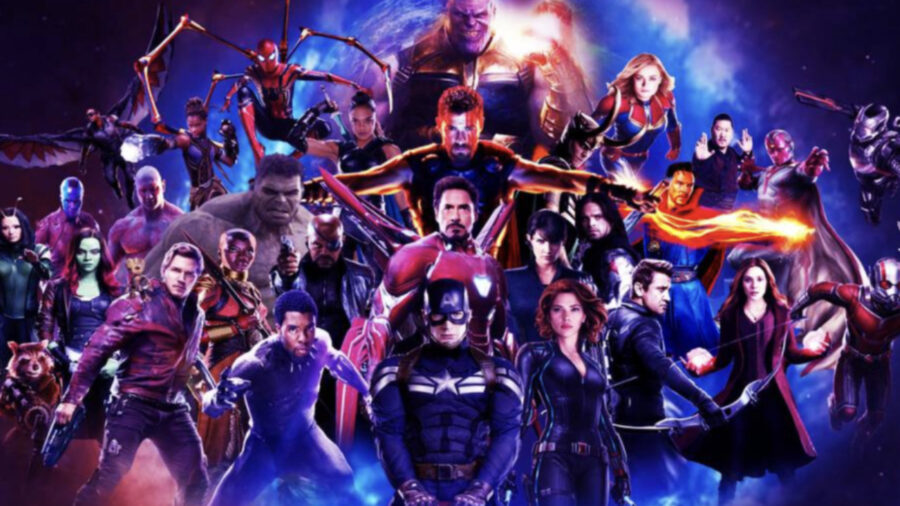
Complaints about Marvel TV shows feeling like homework are tied to broader debates about what, exactly, a movie should be. Many like the idea of a film as being a self-contained unit of entertainment unto itself. This is one (admittedly, of many) problem that certain Star Wars fans had with the Prequel Trilogy and the Sequel Trilogy: interesting characters like Count Dooku and Snoke are placed onscreen with no real introduction or fanfare. The assumption made by those in charge of Star Wars (George Lucas and, later, Disney) is that fans could simply get these characters’ backstories in various books and comics and didn’t need to see it onscreen.
The Marvel Cinematic Universe took this idea and made it much, much worse. You had to watch entire films (like the solo Iron Man, Thor, and Captain America movies) to really understand big team-ups like The Avengers. Later, Disney+ became home to shows you had to watch ahead of movies. Doctor Strange and the Multiverse of Madness makes no sense without watching WandaVision, for example, and The Marvels makes no sense without watching Ms. Marvel. This led to widespread fan complaints that Disney had basically assigned homework and that we’d need to watch eight hours of a TV show just to understand a movie.
No Homework (And No Meaning)

Initially, this wasn’t really a problem with Star Wars because The Rise of Skywalker was so bad that we went seven years before seeing a new film in the franchise. That meant that various Disney+ shows in a galaxy far, far away could mostly stand on their own. But The Mandalorian and Grogu finally brought Star Wars back to theaters, and we’ll be getting more franchise films (like Starfighter) in the coming years. Mandalorian and Grogu writer and new Lucasfilm President Dave Filoni seemingly tried to avoid the homework problem by making a movie that requires almost no prior Star Wars viewing whatsoever, a decision that became something of a double-edged sword.
On one hand, Filoni made The Mandalorian and Grogu the most accessible Star Wars film since A New Hope. If someone only vaguely remembers an episode or two of The Mandalorian Season 1, they can follow along. They know the title characters, and Din Djarin even gets a new version of his old ship back. Even if you’re a Star Wars fan who never watched the show at all, it’s easy to follow along with the plot. The Boba Fett-looking man and his Baby Yoda sidekick are the good guys, the Stormtroopers are the bad guys, and all you have to do is turn your brain off and watch.
Two Hours Of Your Life You’ll Never Get Back
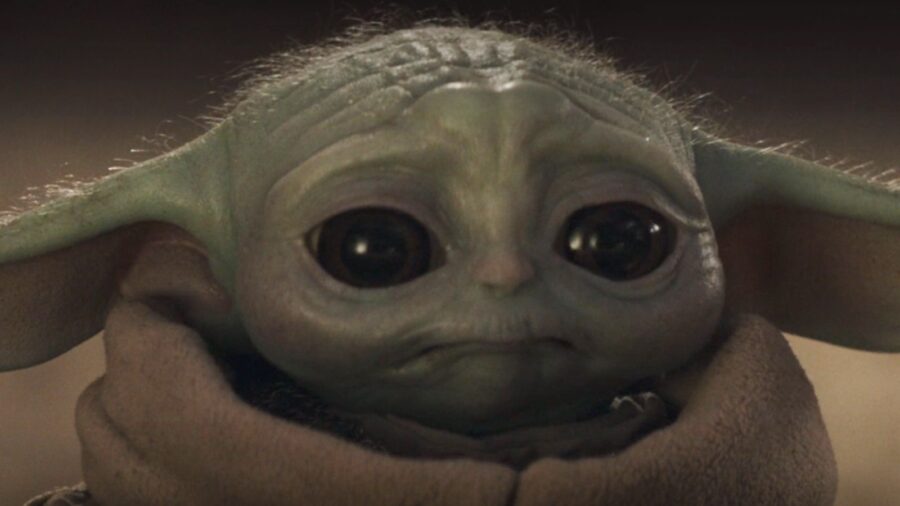
On the other hand, Filoni’s ultra-accessible writing is a big part of why The Mandalorian and Grogu failed. The movie doesn’t touch on or resolve any of the major plot points from The Mandalorian or advance Din Djarin or Grogu’s characters in any meaningful way. It’s such a disposable plot that if The Mandalorian ever gets a Season 4, you could skip the film entirely before watching the new season. If the show doesn’t get another season, though, this movie is the worst kind of finale for these characters because there are no significant payoffs to ongoing mysteries like Grogu’s past or Din Djarin’s future with the Mandalorians and the New Republic.
All of this underscores how cynical The Mandalorian and Grogu really is. Disney didn’t create this movie to provide an emotionally rewarding sendoff, and they obviously didn’t make it because the writers had a great story to tell. No, the House of Mouse just wanted to put Star Wars back in theaters with a film that would wash The Rise of Skywalker out of our mouths. The idea is to prime audiences for more Star Wars films in the coming years, but the effort backfired. If this is the best thing you can put onscreen today, why would anyone spend good money to see the crap you put onscreen tomorrow?
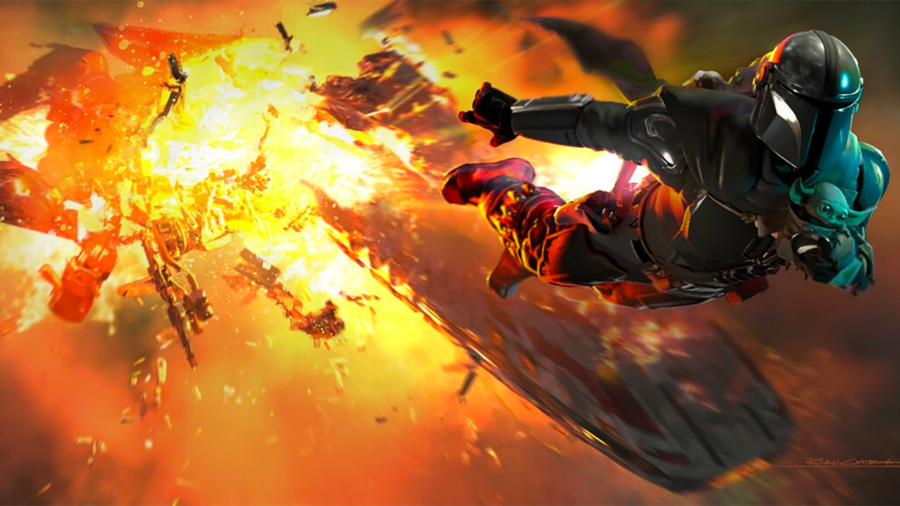
So, congrats, Dave Filoni (and cowriters Jon Favreau and Noah Kloor): you played yourself. You solved the homework problem that has plagued Marvel by creating the most accessible Star Wars film in half a century. But the result is a disconnected mess, one that pisses off fans of The Mandalorian while making everyone else wonder why this film was even made. At least failures like the prequels and the sequels were trying to tell a meaningful and impactful story. All that The Mandalorian and Grogu is telling us is that Yoda’s admonition of Count Dooku applies very much to Clone Wars showrunner Filoni: “much to learn, you still have.”
Entertainment
NYT Strands hints, answers for May 30, 2026
Today’s NYT Strands hints are easy if you’re dependable.
Strands, the New York Times‘ elevated word-search game, requires the player to perform a twist on the classic word search. Words can be made from linked letters — up, down, left, right, or diagonal, but words can also change direction, resulting in quirky shapes and patterns. Every single letter in the grid will be part of an answer. There’s always a theme linking every solution, along with the “spangram,” a special, word or phrase that sums up that day’s theme, and spans the entire grid horizontally or vertically.
By providing an opaque hint and not providing the word list, Strands creates a brain-teasing game that takes a little longer to play than its other games, like Wordle and Connections.
If you’re feeling stuck or just don’t have 10 or more minutes to figure out today’s puzzle, we’ve got all the NYT Strands hints for today’s puzzle you need to progress at your preferred pace.
NYT Strands hint for today’s theme: We’ll be there
The words are related to traits.
Mashable Top Stories
Today’s NYT Strands theme plainly explained
These words describe positive characteristics.
NYT Strands spangram hint: Is it vertical or horizontal?
Today’s NYT Strands spangram is horizontal.
NYT Strands spangram answer today
Today’s spangram is Good Friends.
NYT Strands word list for May 30
-
Reliable
-
Loyal
-
Good Friends
-
Helpful
-
Caring
-
Trustworthy
Looking for other daily online games? Mashable’s Games page has more hints, and if you’re looking for more puzzles, Mashable’s got games now!
Check out our games hub for Mahjong, Sudoku, free crossword, and more.
Not the day you’re after? Here’s the solution to yesterday’s Strands.

French Open doubles match ends after sign causes injury
Stephan Jaeger (back) WDs from Charles Schwab Challenge


