
Entertainment
How Gene Roddenberry's Other Star Trek Style Franchise Was Destroyed By Kevin Sorbo

By Jonathan Klotz
| Updated
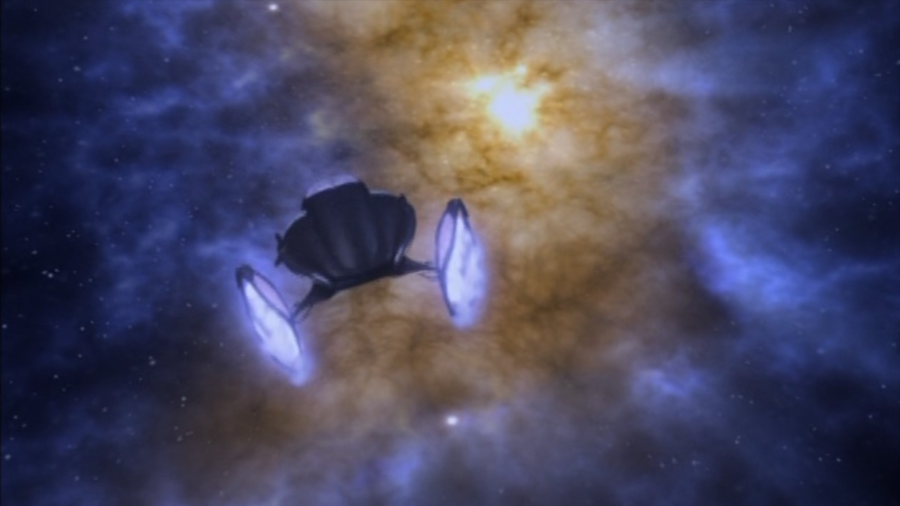
Forgotten in the shadow of Star Trek is Gene Roddenberry’s other sci-fi show, Earth: Final Conflict, a syndicated 90s series that started strong and finished with a whimper. Brought to life after Roddenberry’s passing in 1991, it was his wife, Majel Barrett-Roddenberry, who helped develop the series off of his notes and outlines in a partnership with Tribune Entertainment.
Originally developed by Gene after Star Trek: The Original Series was canceled, bringing the show to life was considered a miracle by sci-fi fans. While the first season of Earth: Final Conflict filled with promise, it all fell apart over backstage disputes, budget issues, and Kevin Sorbo.
Bringing Alien Politics To Earth
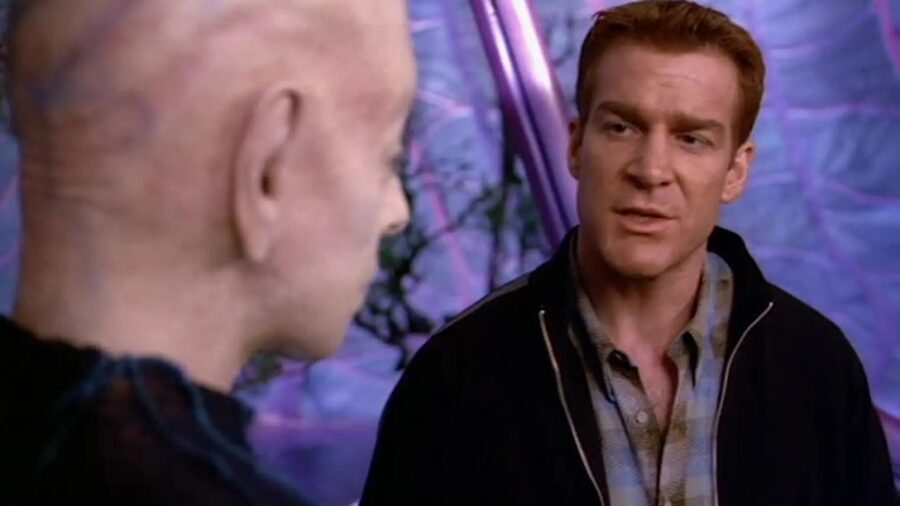
Earth: Final Conflict forgoes the vastness of space for an Earthbound story set years after the Taelons arrived, calling themselves “Companions” and elevated Earth with the gift of advanced technology. But not everyone trusts the new arrivals have good intentions. A resistance movement is stirring against the Taelons, led by Jonathan Doors.
William Boone, a police officer who saves a Taelon from an assassination attempt, becomes a Protector and is secretly a member of the Resistance. There are betrayals, double-crosses, multiple conspiracies, and an ever-increasing cast of Taelons, Earthlings, and even other aliens. All of this should have set up a fascinating series focused on political intrigue similar to Babylon 5.
The Inconsistency Of Earth: Final Conflict
Or it would have except that following Season 1, Kevin Kilner, who led Earth: Final Conflict as Boone, left the series over a contract dispute. Then Majel Barrett-Roddenberry stepped down as a producer.
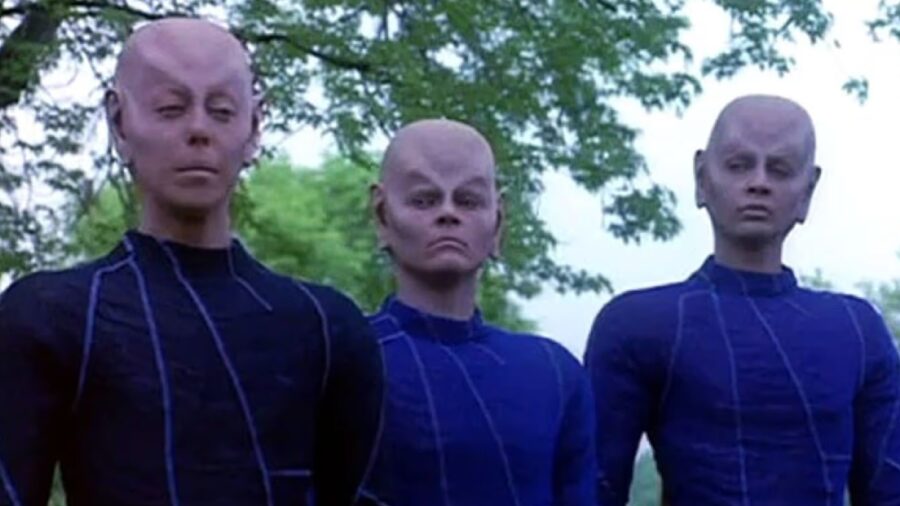
This was the start of the rotating cast issues, which persisted until the very end of Season 5 and made it impossible for fans to remain attached to any of the characters. Replacing Boone as the ostensible lead of the show was Liam Kincaid, played by Robert Leeshock, a human/kimerean hybrid who aged rapidly into a middle-aged man in a version of the worst sci-fi trope writers need to stop using.
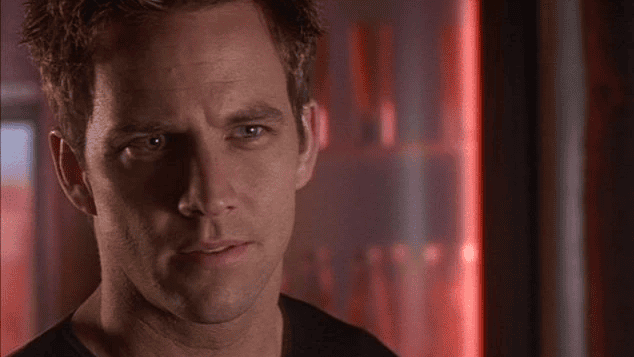
Needless to say, this change went over like a lead balloon. Even Majel Barret-Roddenberry commented on how poor the writing became in Season 2. Viewers left the series in droves, pushing Earth: Final Conflict towards cancellation when it was retooled again for the launch of Season 3. More cast members were let go over contract disputes, unhappy over each season coming with a progressively smaller budget, and Tribune Entertainment rapidly lost patience with the production, choosing instead to focus on their new show, Andromeda.
Abandoned For The Shiny New Toy
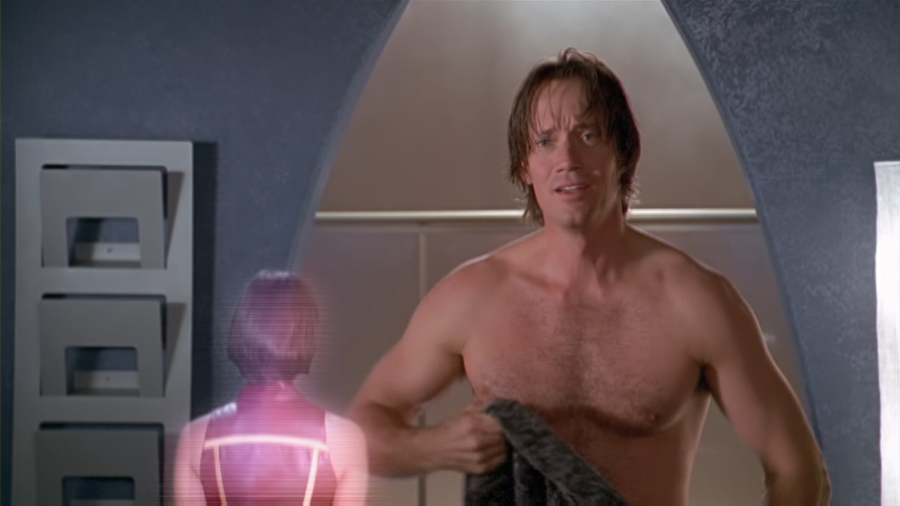
Starring Kevin Sorbo in his first post-Hercules role, Andromeda had the attention of the media, and so Tribune Entertainment pulled writers and crew off of Earth: Final Conflict to their new syndicated crown jewel. The result was that Season 4 ended with a cliffhanger, in which it wasn’t clear who lived or who died, just in case any of the cast decided not to return for Season 5.
The budget for the next season was less than a quarter of the first season. The Taelon conspiracy was eliminated, the leads changed again, and the focus was on fighting a covert war against the Atavus, essentially a race of “energy vampires” that were a precursor to the Taelons.

The show, which started out so strong in Season 1, ended with a whimper after abandoning the original story outline from Gene Roddenberry and, not coincidentally, a tiny fraction of its original fanbase.
Earth: Final Conflict is streaming for free on Tubi, Pluto TV, and YouTube, among others, and if nothing else, Season 1 is a fascinating sci-fi tale of politics and mysteries, and the truly unknowable Taelons are a standout of the genre. It’s also a reminder of what could have been, if not for corporate cost-cutting and a desire to rush results instead of letting a show develop organically and take the time to tell its story the right way.
Entertainment
Moon phase today: What the Moon will look like on July 18
After days of almost complete darkness, the Moon is finally illuminated enough to spot some features on its surface once again. What can you see when you look up tonight?
What is today’s Moon phase?
As of Saturday, July 18, NASA’s Daily Moon Guide tracker tells us the Moon phase is in Waxing Crescent phase, with 19% of its surface visible.
Without any visual aids, tonight you can spot the Mares Crisium and Fecunditatis. With binoculars or a telescope, you’ll also add the Endymion Crater to your view.
When is the next Full Moon?
The next Full Moon will take place on July 29.
What are Moon phases?
The Moon completes one full cycle around Earth in about 29.5 days, moving through eight different phases along the way, NASA explains. Although the same side of the Moon always faces our planet, the amount of sunlight reflecting off its surface changes as it travels around Earth. This changing angle of illumination is what makes the Moon appear to transform throughout the month, from a thin crescent to a half-lit Moon and eventually a fully illuminated Full Moon, before starting the cycle again.
New Moon – The Moon is between Earth and the sun, so the side we see is dark (in other words, it’s invisible to the eye).
Mashable Light Speed
Waxing Crescent – A small sliver of light appears on the right side (Northern Hemisphere).
First Quarter – Half of the Moon is lit on the right side. It looks like a half-Moon.
Waxing Gibbous – More than half is lit up, but it’s not quite full yet.
Full Moon – The whole face of the Moon is illuminated and fully visible.
Waning Gibbous – The Moon starts losing light on the right side. (Northern Hemisphere)
Third Quarter (or Last Quarter) – Another half-Moon, but now the left side is lit.
Waning Crescent – A thin sliver of light remains on the left side before going dark again.
Entertainment
Forgotten Stephen King Sci-Fi Series Is One Of The Most Fun Shows Of The 2010s
By Jonathan Klotz
| Updated
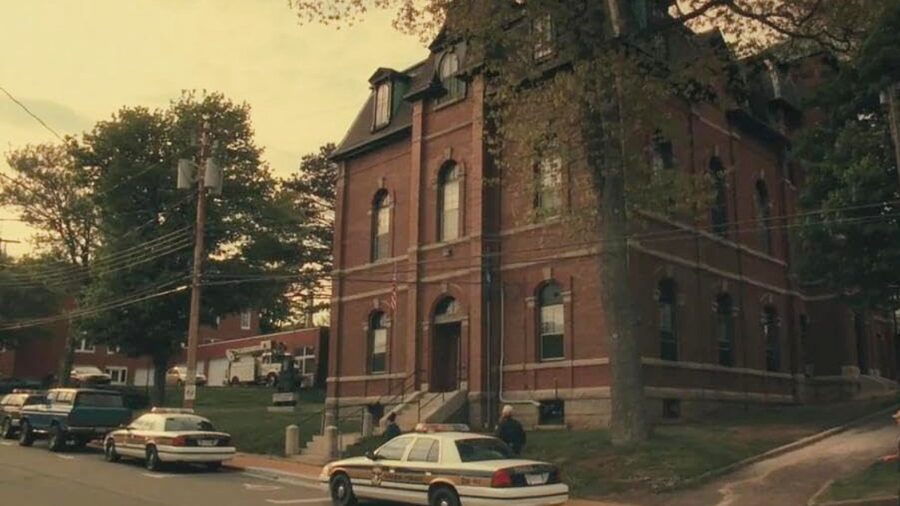
Stephen King and “light-hearted sci-fi procedural” don’t sound like they go together, and honestly, Haven, a SyFy original series, is only loosely based on a King novella, The Colorado Kid. The book is about a mysterious death in a small town in Maine investigated by two local newspaper reporters, while the series includes a mysterious death but surrounds it with a town full of supernatural events that defy explanation.
If Buffy and NCIS got together and had a kid, it would be this show, which is impossible to take seriously but is one of the lightest, breeziest binge-watches available today.
The Troubles
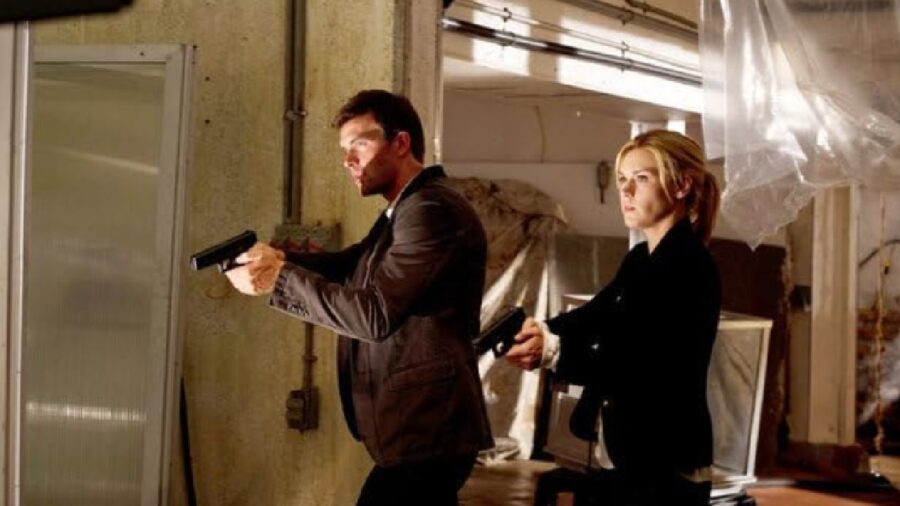
The town of Haven has been beset by what the residents refer to as “The Troubles,” a sudden burst of paranormal activity that manifested in strange powers taking hold of citizens. A typical “Case of the Week” format centers around something strange, from mysterious murders in the dead of night to an earthquake or a pyrokinetic on the loose. Investigating these cases is the new-in-town Audrey Parker (played by Emily Rose), joined by local officer Nathan Wournos (Lucas Bryant), and starting in Season 2, WWE Hall of Famer Edge aka Adam Copeland, and what starts simple (for a strange outburst of superpowers) quickly spirals into a generations-spanning mystery.
It takes a while for the big picture to become clear, and by then, the show has gone wildly off the rails into secret organizations, different dimensions, and the same people playing their own evil twins in the most soap opera twist possible. Yet even The X-Files and Battlestar Galactica ended up losing the plot in their final seasons, and at least with Haven, it’s a fun ride to get to the end.
The Last Of Its Generation

And there is an ending. Haven aired for five seasons on SyFy, telling a complete story between all of the “Case of the Week” episodes, bottle episodes (an early one paying homage to Agatha Christie’s And Then There Were None is a standout), and a parade of guest stars. Among the familiar faces that pass through the town are Colin Ferguson (from the SyFy series Eureka), William Shatner, Edge’s best friend forever and world’s greatest Dad, Christian, aka William Reso, 90s heartthrob Jason Priestly, and Battlestar Galactica’s Michael Hogan.
I was a sucker for this generation of SyFy originals, from Eureka and Warehouse 13 to Sanctuary and Haven, for being light, easy watches that don’t demand much of the viewer. The equivalent of a bag of potato chips, none of these shows will fill you up or have deep, philosophical messages to get across, but what they are is incredibly entertaining from start to finish. Of course, as SyFy originals, the crew had to get creative with their budgets, and the shows can look a little … cheap … compared to the million-dollar streaming shows of today, but that’s part of the charm.

You can’t compare Haven to a straight Stephen King series adaptation like Rose Red, Castle Rock, or The Stand, even though it is filled with small references to his vast catalog of work, but it’s also still better than The Langoliers and Under the Dome. If you’re in the mood for a new sci-fi show to binge, you can stream it for free on several platforms, including YouTube, Pluto TV, Amazon Prime Video, and The CW. It’s also streaming ad-free on Peacock if you have a subscription.

Entertainment
The 70s Sci-Fi Cult Classic Student Film That Accidentally Created A Massive Franchise
By Jonathan Klotz
| Published
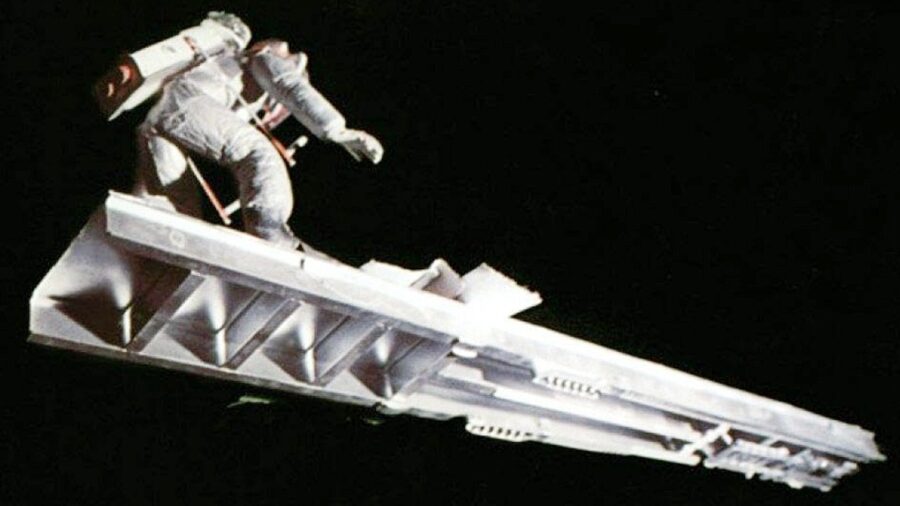
John Carpenter is known today as the Master of Horror, but he got his start with Dark Star, an offbeat sci-fi comedy that started as a student film while he attended the University of Southern California. He also happened to be friends with Dan O’Bannon, who helped him write the script for the film. While Carpenter would go on to make Halloween and The Thing, O’Bannon was inspired by the reaction to their low-budget sci-fi comedy to write a sci-fi horror that you might know: Alien.
Dark Star may be a cult classic today, but when it was upgraded from student film to feature film and released in 1974, audiences had no idea what they were watching, and most of the humor was missed. O’Bannon noticed this and shared his thought process in later interviews, “If I can’t make them laugh, then maybe I can make them scream.”

Once it was available on VHS, the film found its audience, including Quentin Tarantino, the creator of the Metal Gear games, Hideo Kojima, and Doug Naylor, the creator of Red Dwarf. Fittingly given Carpenter’s musical talents, multiple bands have used voice samples or paid tribute to the film in their songs.
Cabin Fever INNNN SPACEEEEEE!!!
The connections between Dark Star and Alien are apparent from the very beginning, with both films taking place on ramshackle spaceships that share the same retro-futuristic style, and the crews are composed of characters that don’t fit into the typical sci-fi hero mold. Dark Star, as a parody of 2001: A Space Odyssey, cranks the crew’s personalities to 11, which somehow works. As a result, it feels like frat bros trapped in space together, and they don’t get along, but they have to.

The crew’s mission is to find potentially dangerous planets and blow them up, but the catch is that after a massive malfunction, a thermostellar bomb develops a personality and tries to blow up ahead of schedule. The captain of the Dark Star, a former surfer, has to talk the bomb into not blowing up.
It’s a fantastic parody of sci-fi that engages in deep philosophy, and was purposely designed to be a parody of HAL. That’s part of the humor that O’Bannon was frustrated with, which went over the head of the audience, but it’s the bizarre beach ball alien that became the proto-Xenomorph.
The Comedy Routine That Became Alien
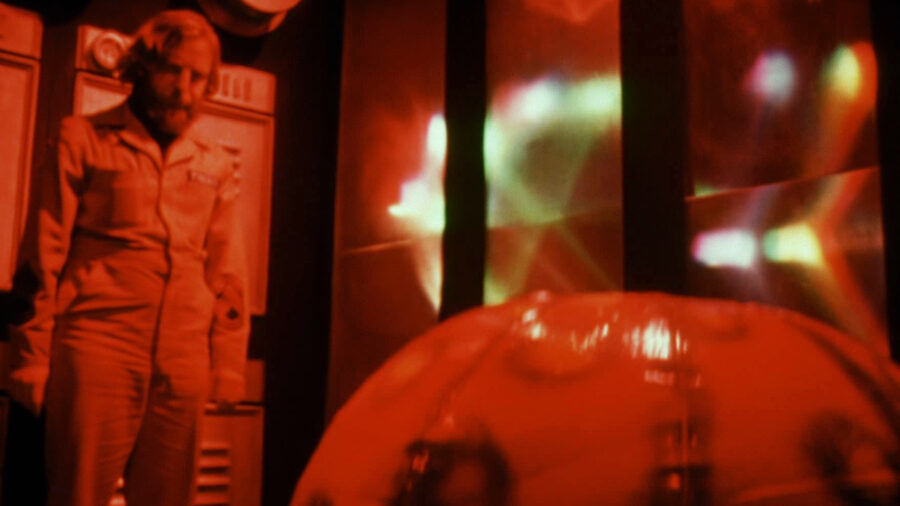
Working under tight budget restrictions, the alien in Dark Star is a painted beach ball with floppy claws loosely attached to it. Sergeant Pinback, played by O’Bannon, tries to keep the alien contained in a storage room, but it keeps escaping and attempts to murder him, and eventually, Pinback accidentally causes it to pop and explode. The entire sequence, played here for laughs with some absurd physical humor, is what directly inspired Alien.
Replacing the adorable but slightly murderous prankster beach ball with the H. R Giger design of the terrifying, very murderous Xenomorph but maintaining the similar setting and feeling of claustrophobia provided the recipe for a genre-defining hit. Dark Star, it should be noted, is also rated “G,” which gives you an idea as to the level of physical humor that O’Bannon brought to his role. Yet, given how the film ends, it’s only suitable for kids if you want to inflict a NeverEnding Story level of trauma on them.

If you’ve never seen Dark Star, it is well worth your time, even today, because it’s an absolutely bonkers take on sci-fi that nails the exact tone they wanted. It’s streaming for free on Tubi, Pluto TV, YouTube, and Plex, and is also part of Amazon Prime.

Bryson DeChambeau penalized 2 strokes, agent claims he could withdraw from Open
ACC notebook: Bill Belichick says UNC 'way ahead' of '25 team


