If you’re of a sound mind and in good health, and everything is going great in your life, you probably won’t ever find yourself manipulated into joining a cult. Or, if you’re like Ansel Roth (Leland Orser) from 2014’s Faults, you’re so against the idea of cults separating families and ruining lives that you devote your own life to seeking out victims and reprogramming them so they can go back to the way things were before running away from home.
This is where things get messy, because what if you also owe a ton of money to your loan shark publisher at the same time a desperate family tracks you down so you can reunite them with their estranged daughter? You have no guarantees that you can help them, but you can probably get the cash you need, put on a good show, walk away relatively unscathed, and move on with your life.
At least that’s what Ansel thinks will happen in Faults, but it’s only a matter of time before his reckless behavior catches up with him.
One Sad, Sad Man’s Disingenuous Redemption Arc
In Faults, Ansel Roth is living a very sad life, traveling from cheap hotel to cheap hotel, trying to push his new book. Though his first published work was a highly successful tome about deprogramming cult victims so they could go back to their old lives, his new book is simply a cash grab meant to recoup losses from his recent divorce and other life failings.
Though he has trouble selling his new book, he’s at least able to work out a free room and meal per hotel visit, and otherwise lives out of his car. It’s all really pathetic, but there’s also a sense of entitlement that makes the whole situation disproportionately funny, particularly when he argues over fraudulent meal vouchers and steals all the towels and remote batteries from whatever room he’s about to get kicked out of.
To make matters worse for Ansel, his manager, Terry (Jon Gries), not only severs ties with him because he’s not moving any units, but demands payment for past debts within a week, or else. He even sends one of his goons, Mick (Lance Reddick), to threaten him in person as Ansel travels the country on his increasingly pathetic book tour.
Desperate for cash, and considering the possibility that his entire career is a joke, Ansel is approached by Evelyn (Beth Grant) and Paul (Chris Ellis) about their daughter, Claire (Mary Elizabeth Winstead), who ran away to become a member of Faults, an elusive cult that preys on the innocent. Ansel, in his infinite wisdom, agrees to help deprogram her for the exact amount of money he owes Terry so he can put all of his failures behind him and move on with his life.
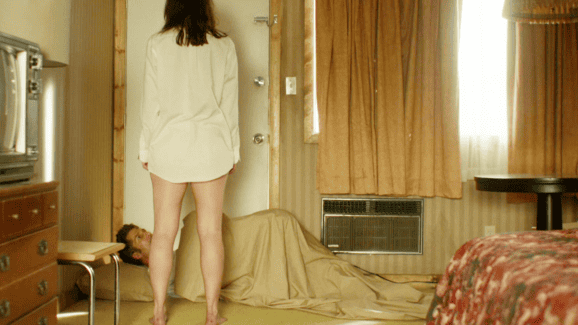
The plan is simple at first. Ansel, with Evelyn and Paul’s permission, hires actors to stage Claire’s abduction. Staying at yet another seedy motel, Ansel gets to work with Claire, who doesn’t know her parents are staying in the adjoining room, waiting for her breakthrough. Matters are continually complicated by Claire’s resistance to treatment, along with Mick making surprise appearances to collect the rest of the money Ansel owes Terry.
A Masterclass In Manipulation
Faults takes a deep dive into the exact kind of cult level manipulation you’re familiar with if you’ve watched any documentaries on the subject, but subverts expectations every step of the way. Ansel knows all the methods used to deprogram someone and has had mixed results in the past. He believes he needs to break Claire’s spirit and rebuild her from the ground up so she can assimilate back into her family and put Faults behind her.
Claire, on the other hand, has her own ideas about how things should work. She’s incredibly stubborn, and her behavior, along with external forces beyond her control like Terry and Mick’s looming presence, pushes Ansel into increasingly compromising positions. Constant money runs and impromptu detours during deprogramming sessions leave him sleep deprived, slowly wearing away his resolve and, in many cases, giving Claire the upper hand.
What’s so enthralling about Faults is just how deeply everybody digs themselves in for their own selfish reasons. Ansel needs money. Claire doesn’t want to leave her cult. Her parents want everything to go back to the way it was, even if the way things were years ago no longer serve Claire, who is now an adult.
On some level, everybody is manipulating everybody else, and Faults makes you question who’s actually the real article. Half the fun is figuring out who’s pulling one over on who, and this feeling of distrust and animosity is pushed onto the audience in ways that make you never really want to root for anybody, while also hoping the right party gets what they’re looking for.
As of this writing, Faults is streaming for free on Tubi.
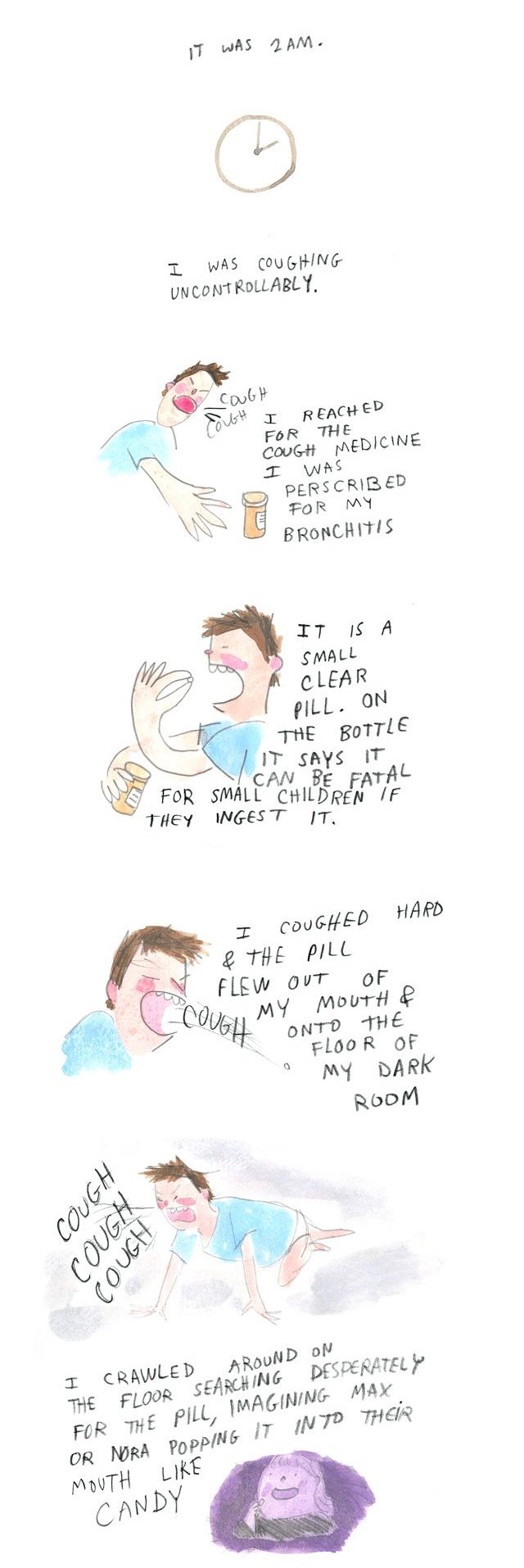
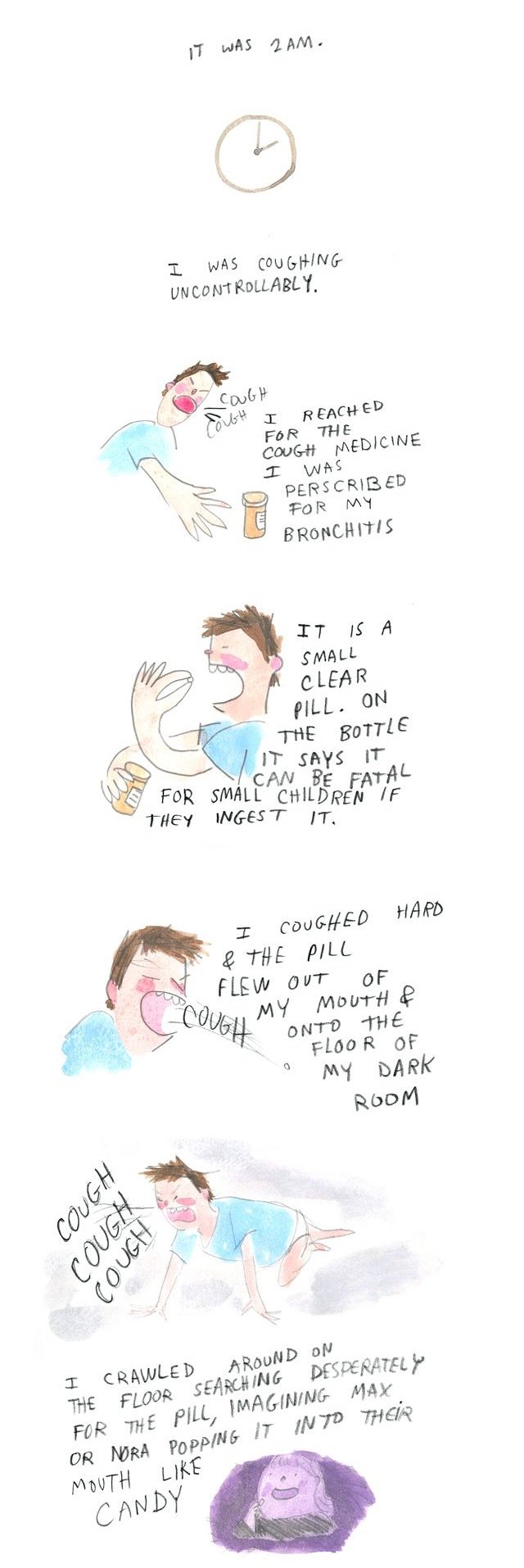
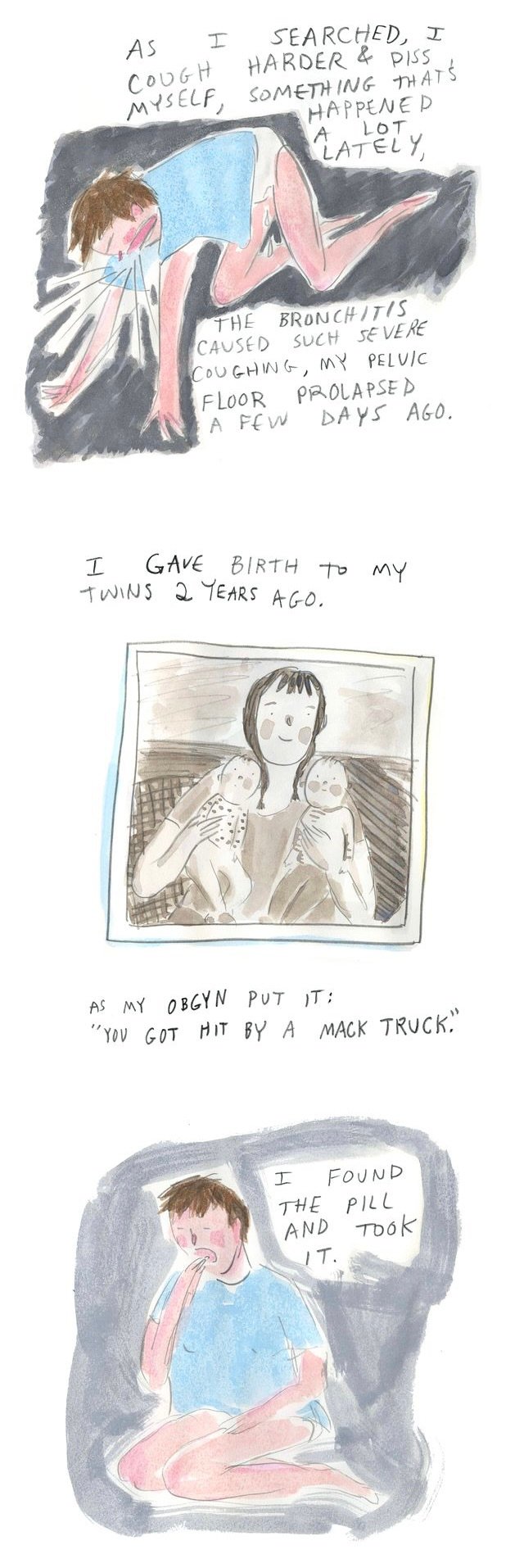
By the wonderful illustrator and writer Hallie Bateman based in Cincinnati, Ohio. Her work has been published by The New Yorker, The New York Times Magazine, The Awl and others. You can find her on Instagram and Substack.
Are investors already getting weary of tech’s golden goose, artificial intelligence?
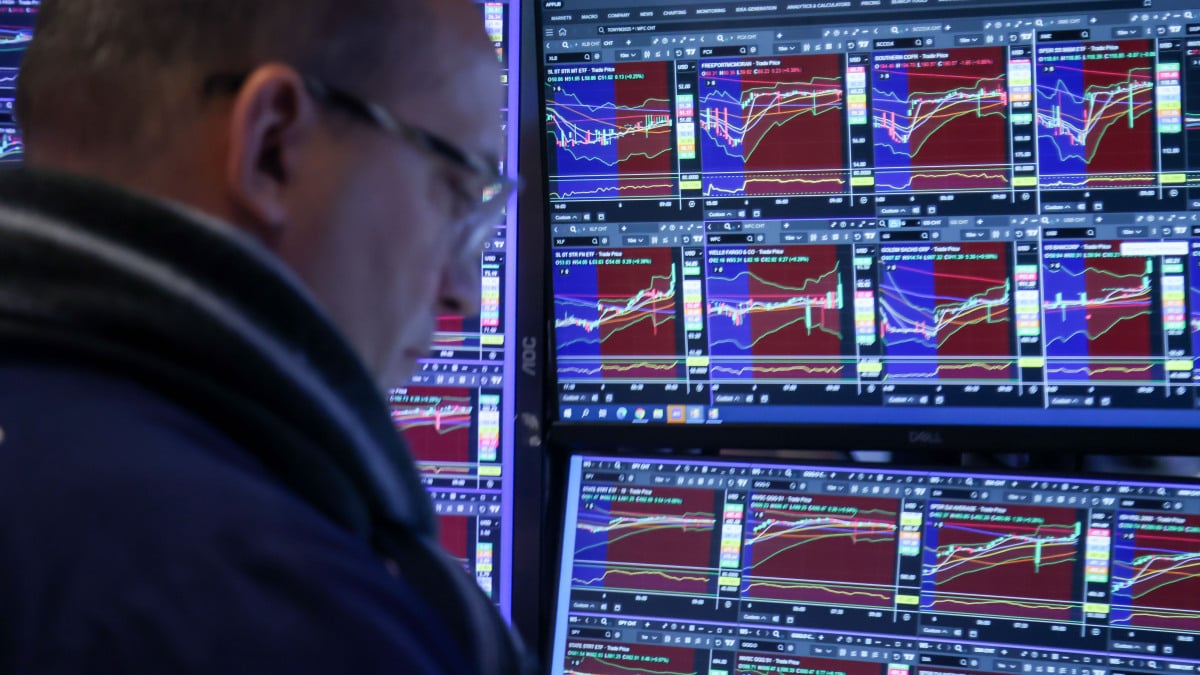
On Friday, tech stocks took a hit on Wall Street, and the underlying cause seems to be alarm over record AI infrastructure spending. Microsoft, Amazon, Alphabet, Nvidia, Amazon, Meta, and Oracle were among just some of the companies whose falling shares accounted for $1 trillion in losses from Big Tech stocks, as CNBC reported.
Big tech companies like Amazon and Google have been furiously ramping up capital expenditures to build AI data centers and shifting focus to AI products and services.
The immediate spark for the Friday sell-off was the Amazon fourth-quarter earnings report. The e-commerce giant projected that its capital expenditures would reach $200 billion in 2026. CNBC reported that Amazon’s Capex figure was $50 billion higher than expected, and the stock market reacted accordingly.
Speaking to CNBC, GAM Investments’ investment director Paul Markham explained why AI would affect these companies on the stock market.
Mashable Light Speed
“Questions over the extent of capex [capital expenditures] as a result of LLM build-outs, the eventual return on that, and the fear of eventual over-expansion of capacity will be persistent,” Markham told CNBC.
However, the cold feet from investors regarding AI seems to be a fairly recent development, at least when it comes to stock market results. Just a few weeks ago, Facebook and Instagram owner Meta announced it planned to allocate an additional 73 percent of its capital spending, or roughly $115 billion to $135 billion, to AI development. Unlike the recent Amazon announcement, Meta’s stock went up 10 percent on this news.
There are also reasons to be skeptical of an AI bubble, however.
Also on Friday, NVIDIA CEO Jensen Huang insisted that massive increases in capital expenditures are “justified,” as the tech leader told CNBC’s “Halftime Report” hosts. After making these comments, CNBC reported that NVIDIA shares rose 8 percent.
NVIDIA is often seen as a bellwether for a possible AI bubble, as the company sells the chips used by AI companies like OpenAI, Meta, and Google. At Davos, Huang said that the massive investment in AI seemingly proves it’s not a bubble. NVIDIA would be a massive loser if AI did prove to be a bubble, of course.
Still, there were signs that Amazon’s stock was rebounding slightly after Huang’s comments.
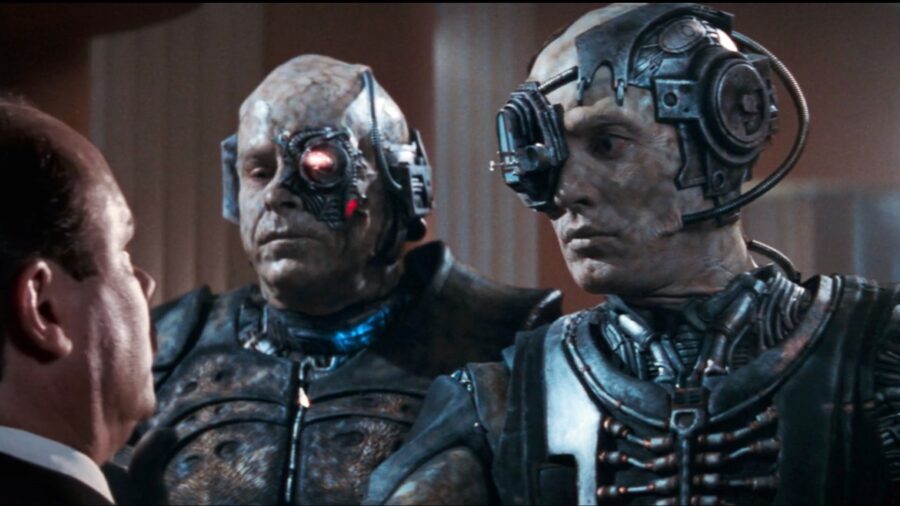
Few Star Trek creators are quite as controversial as Rick Berman, who has been accused of everything from persistent on-set misogyny to running the franchise’s Golden Age into the ground with Enterprise and Nemesis. However, for all of his alleged faults, Berman actually predicted very early on what would become the worst part of the franchise: its overreliance on the Borg. Moreover, he implied that if Star Trek couldn’t find anything original to do with these iconic bad guys, they should simply stop being included in future stories.
Berman’s thoughts on this matter are quoted extensively in Captain’s Logs: The Unauthorized Complete Trek Voyages. He was discussing “Descent,” the two-part Star Trek: The Next Generation episode that explored what happened to the Borg after the Enterprise crew returned a Borg with a personality (Hugh) back to the Collective. The executive producer liked how the show used the villains in this ambitious episode, but he specifically enjoyed how they were written so very differently from their earlier appearances.
Star Trek’s Most Two-Dimensional Villains
“I find [the Borg] very two-dimensional in a way,” Berman said. “They are faceless characters without personality and without specific character traits.” While many fans would say this is what makes them so scary (they are basically the closest thing Star Trek has to zombies), Berman thought that their collective nature made them “sort of a one-beat group of bad guys.”
Berman did acknowledge that these “one-beat” villains could be used well in certain circumstances. For example, he noted that “In ‘Best of Both Worlds’ they represented a threat as opposed to characters, and that was a great episode.” This is a fairly astute analysis, really: being a Collective, the Borg were always going to fail at being interesting characters, but they worked astoundingly well as TNG’s first real existential threat to the Federation’s entire way of life.
Borg Of A Different “Hugh”
For Berman, the episode “I, Borg” (where a captured Borg develops a personality before being returned to the Collective) was something of a revelation. He enjoyed how this story transformed the Borg “into a character” who was “given a personality and something to be sympathetic towards.” He then made a bold statement that would prove weirdly prophetic: “My only interest in the Borg is when they’re used off-center in other than the way they were originally conceived.”
While Berman may have loved how different the Borg in “Descent” were, that sentiment wasn’t shared by most of the fandom. Many missed the cybernetic zombies that had first scared them in episodes like “The Best of Both Worlds,” finding them far more frightening than the group of angry, screaming cyborgs in “Descent.” Accordingly, Star Trek: First Contact brought the Borg back more or less as they were, with one twist: the addition of a Queen.
The Worst Of Both Worlds
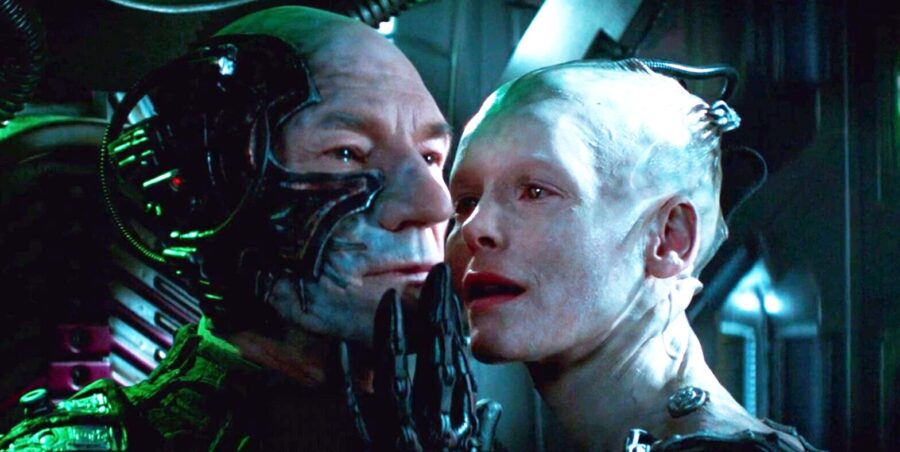
Unfortunately, this ended up being “the worst of both worlds” from a creative standpoint. The Queen was (as confirmed by Brannon Braga and other Star Trek creatives) primarily added to give the Borg a recognizable figure who could both speak and be spoken to; that made for more compelling filmmaking than having characters like Picard and Data talk to the formless voice of the Collective. But the very idea of an individual queen went against the Borg’s whole deal, irking fans who wished these villains had stayed consistent.
Speaking of consistency, Star Trek never really made any major changes with the Borg as a whole after this. Sure, the Queen still popped up, but for the most part, the Borg were back to being robot zombies. As Rick Berman predicted, constantly using the Borg without making any substantive changes eventually provided diminishing storytelling returns.
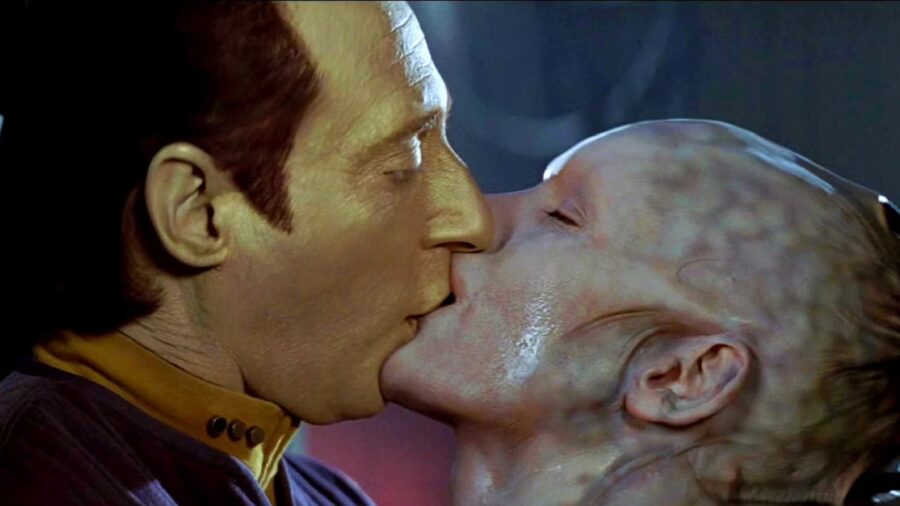
Kissing The Borg Goodbye?
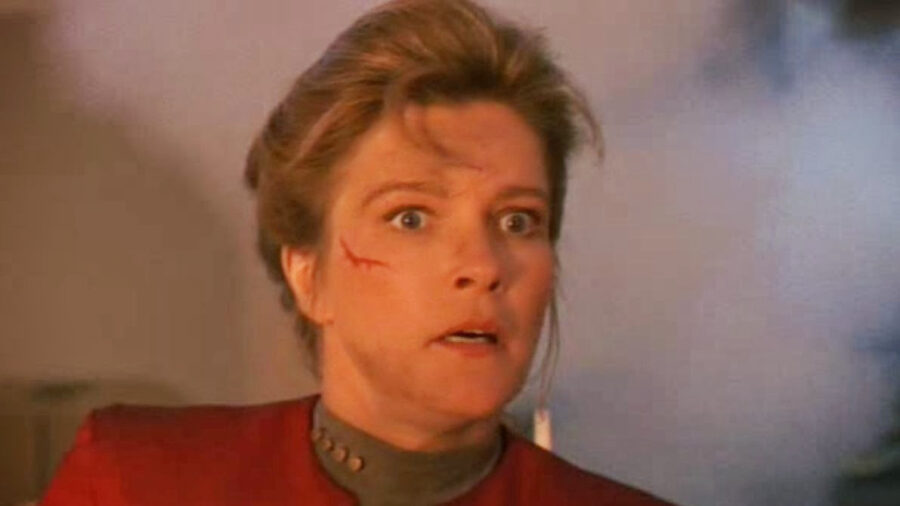
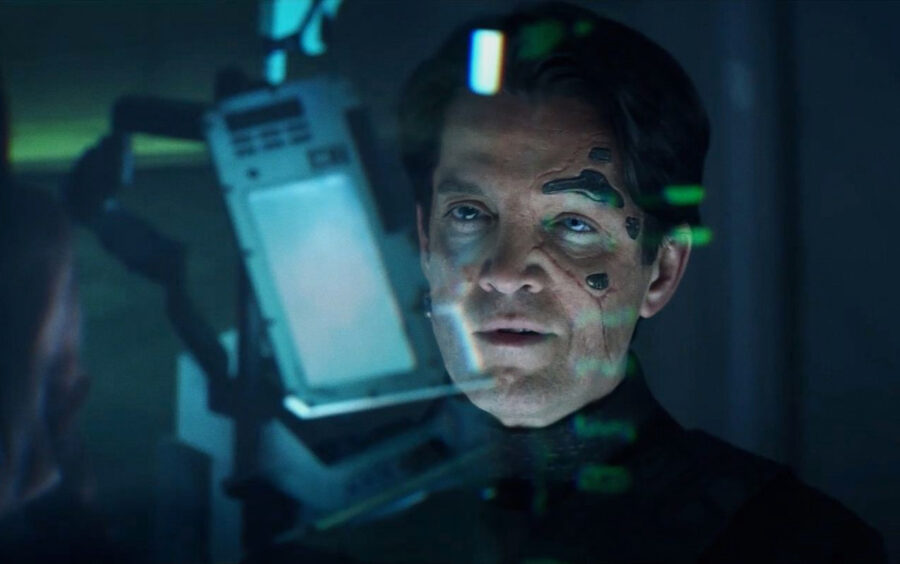
For example, they popped up so much in Voyager (a show that eventually added a Borg officer) that their appearances stopped feeling special. They popped up in Enterprise and, somewhat inexplicably, every single season of Star Trek: Picard. Heck, that show even made the Borg (complete with their unkillable Queen) the final Big Bad, signifying to fans that the writers had really and truly run out of ideas.
Rick Berman’s prophecy came to pass: the Borg remained one-note bad guys until the very end, never again receiving a character change as significant as what we saw in “Descent.” They were transformed back into a reliable bad guy, but one that ultimately became reliably boring. Now that the franchise has moved into the 32nd century, we can only hope the Borg never pop up in Starfleet Academy; otherwise, the iconic race might have to get several passionate lectures on the evils of cultural assimilation, punctuated by quippy phrases like “Resistance ain’t futile, bruh” and “assimilate this, b*tch!”
Can the Collective be defeated by pure, undiluted cringe? Here’s hoping we don’t have to find out!